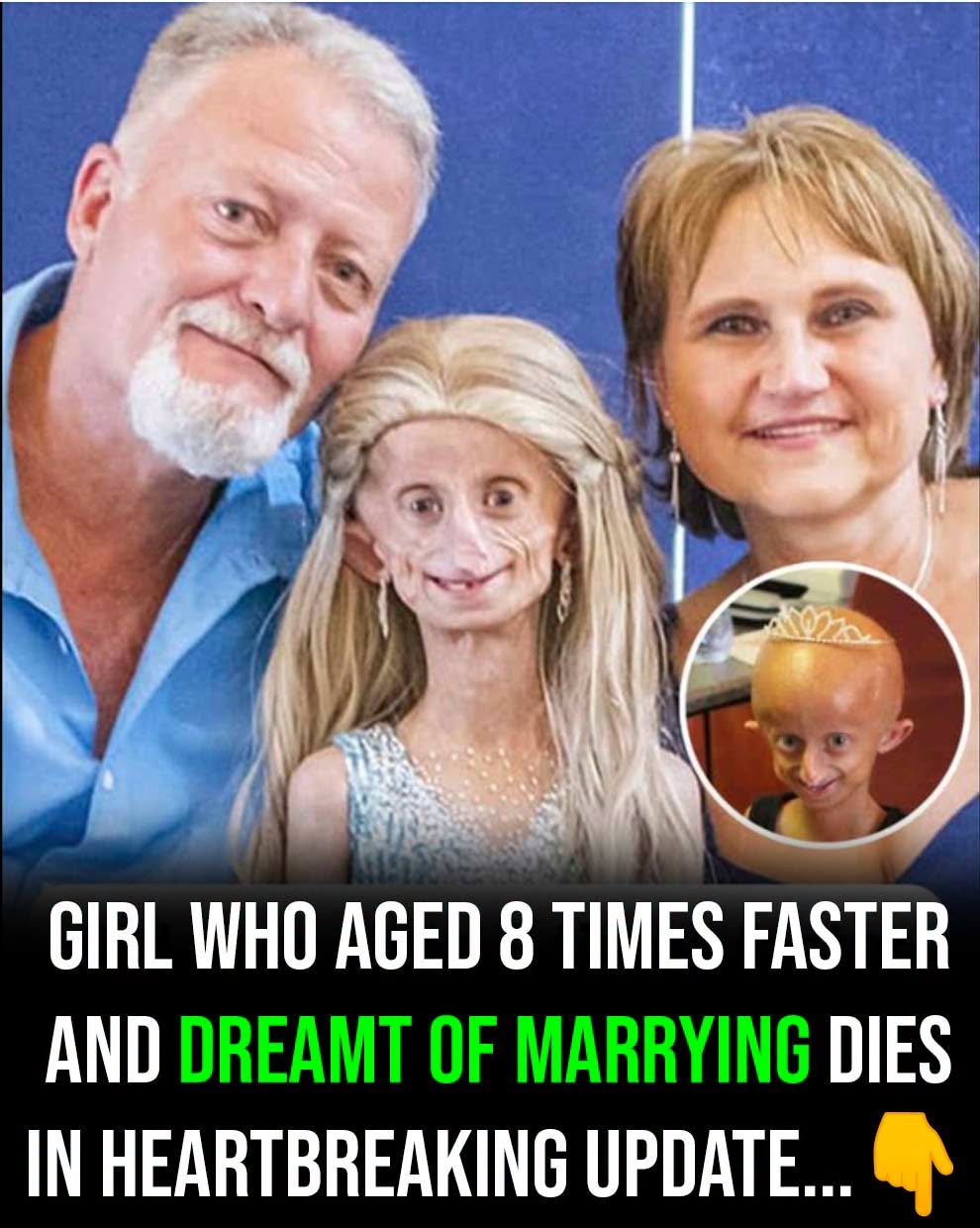
Beandri Booysen lived with extraordinary determination after receiving a diagnosis that few families ever face. Born in South Africa, she was only seven months old when doctors identified Hutchinson Gilford progeria syndrome, a very rare genetic condition that causes features of accelerated aging. Her family was warned that she might not survive beyond her early teens.
Beandri reached 19. Her body carried the severe effects of the condition, and she weighed about 12 kilograms, or 26 pounds. Yet the physical limits never defined the scale of her ambitions. She attended school, wanted to become a teacher, and imagined marriage and raising twins, dreams that reflected her insistence on living as a young woman rather than as a diagnosis.
Progeria affects only a tiny number of children worldwide. It is associated with serious cardiovascular complications and a markedly shortened life expectancy. Medical reality surrounded Beandri from infancy, but she chose to emphasize joy, relationships, and the time available to her.
Social media gave her a way to speak directly to others. Her TikTok account attracted nearly 300,000 followers who watched motivational videos and candid moments from her daily life. She addressed adversity without pretending it was easy, and viewers responded to her humor, optimism, and refusal to hide.
Her presence also increased awareness of progeria. Many people first learned about the condition through Beandri and came to understand that a rare disorder did not erase the ordinary hopes of the person living with it. Her posts allowed followers to see school, family, friendship, and dreams alongside medical challenges.
Beandri died only days before Christmas. The timing deepened the grief of people who had followed her journey and expected to see more of the future she described. Messages spread across social platforms as friends and strangers remembered her laugh, courage, and ability to encourage others despite pain she carried privately.
Her family requested privacy while mourning, a boundary that deserves respect. Public admiration can never replace the personal loss experienced by those who knew and loved her. Behind the widely shared story was a daughter, relative, and friend whose absence changed a family’s life.
Tributes repeatedly returned to Beandri’s message about appreciating life. She did not control the condition or the time it allowed, but she chose how she would meet that time. Her desire to teach, marry, and have children showed that hope can remain genuine even when circumstances make a dream uncertain.
Her story should not be reduced to tragedy alone. She survived years beyond early expectations, built a large community, and used her voice to make others feel less alone. The courage people admired was visible not only in major statements but in the ordinary decision to attend school, create a video, laugh, and plan for tomorrow.
Beandri Booysen’s life ended far too soon, but its effect did not end with her death. The followers who repeat her encouragement, the families who gained greater awareness of progeria, and the people reminded to value an ordinary day continue carrying part of her influence. Her final legacy is one of resilience grounded in joy and a determination to live fully while life was present.
Her survival to 19 was especially meaningful because progeria often causes fatal cardiovascular disease during childhood or adolescence. Medical descriptions explain the condition, but they cannot measure the relationships, humor, and personal courage contained within those years.
Remembering Beandri responsibly means seeing both realities. She faced an incurable and physically demanding disorder, and she remained a teenager with preferences, plans, and a voice. The people who loved her did not lose an inspirational symbol. They lost Beandri, whose individuality was always larger than the rare syndrome attached to her name.