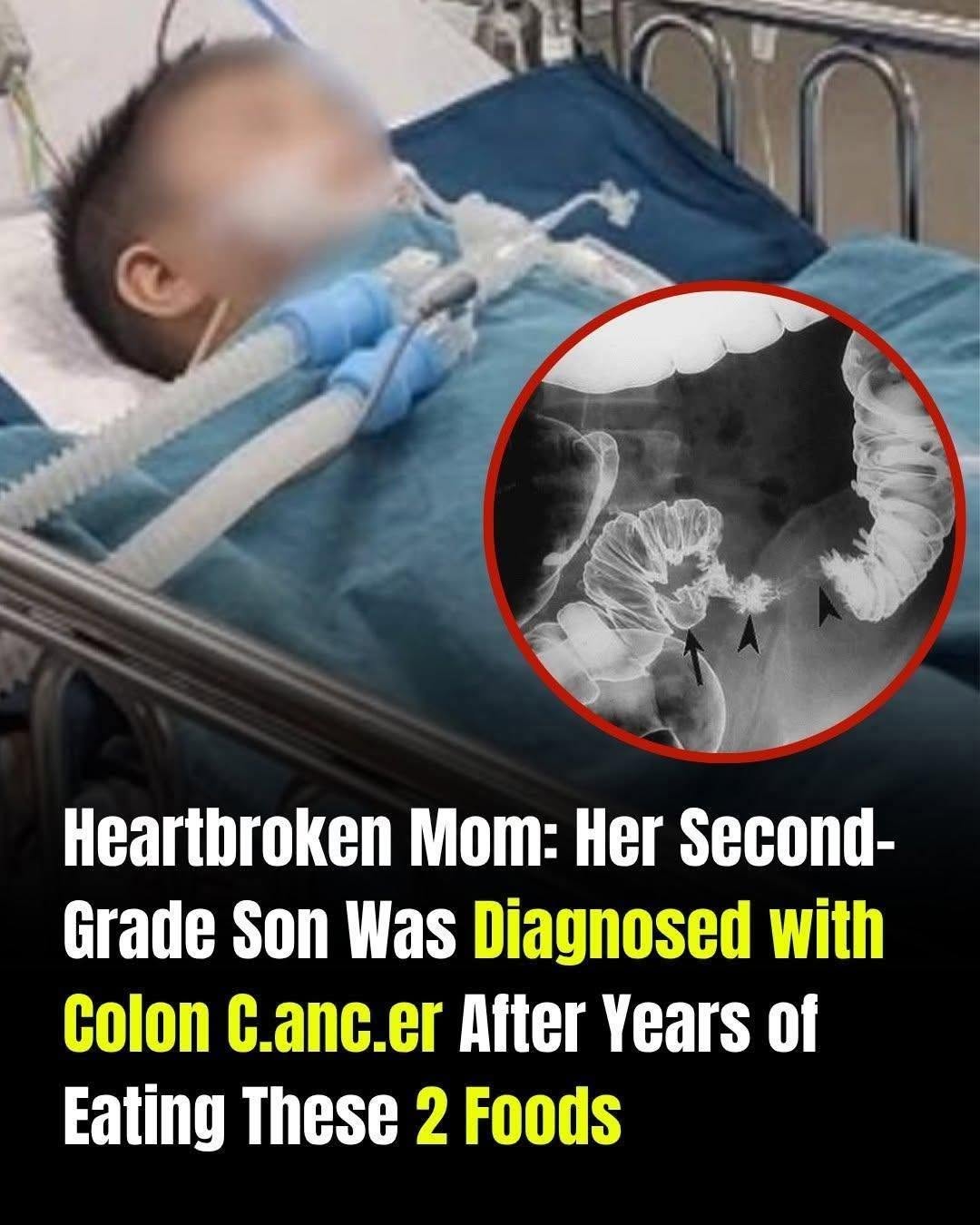
A report about a second-grade child diagnosed with colorectal cancer has drawn attention to children’s diets, but the case must be approached carefully. Childhood colorectal cancer is exceptionally rare. The National Cancer Institute reports fewer than 100 diagnoses among children in the United States each year, and the disease cannot responsibly be blamed on one meal or two favorite foods.
Cancer develops through changes in how cells grow and divide. In children, known risk factors can include inherited syndromes such as familial adenomatous polyposis or constitutional mismatch repair deficiency. Crohn disease and ulcerative colitis may also increase risk. In many cases, however, the exact cause of the cellular changes remains unknown.
Diet still matters for general health, growth, digestion, and long-term disease patterns. A routine dominated by fast food, processed meat, sugary snacks, and other highly processed products can crowd out foods that provide fiber and essential nutrients. That imbalance may contribute to excess weight and other health problems, but it does not prove why a particular child developed cancer.
Processed meat has been associated with increased colorectal cancer risk in population research, while obesity is an established risk factor in adults. Applying adult long-term risk data directly to a young child is inappropriate. Parents should use the information to build balanced habits, not to assign guilt to themselves or frighten children about an occasional treat.
Fiber supports normal bowel function and is found in fruit, vegetables, beans, lentils, and whole grains. A varied diet can include these foods alongside suitable protein, dairy or alternatives, and adequate fluids. Changes are more sustainable when families add nutritious options gradually rather than banning every packaged food or turning meals into a source of fear.
Physical activity and routine medical care also support health. Play, sports, walking, and other age-appropriate movement help children develop strong bodies and establish habits they can carry into adulthood. Regular appointments allow a clinician to track growth and investigate symptoms that do not resolve.
Possible colorectal symptoms in children include persistent abdominal pain, constipation or diarrhea, blood in the stool, unexplained weight loss, vomiting, loss of appetite, an abdominal lump, or anemia that may cause fatigue, dizziness, breathlessness, or pale skin. Most of these signs have causes other than cancer, but a persistent or concerning pattern requires medical evaluation.
Parents should not rely on internet lists to diagnose a child. A doctor considers how long symptoms have lasted, personal and family history, physical findings, and appropriate testing. Urgent assessment is especially important for significant bleeding, severe pain, repeated vomiting, dehydration, or a child who appears seriously ill.
The emotional impact of a pediatric cancer diagnosis reaches the entire family. Children need treatment from specialists and support appropriate to their age, while caregivers may need psychological, practical, and financial help. Blaming foods can intensify an already devastating experience without offering medically sound answers.
The responsible lesson is not that two foods caused a second grader’s cancer. It is that rare disease can occur, persistent digestive symptoms deserve attention, and healthy routines are built over time. Balanced meals, activity, medical follow-up, and accurate information give families useful tools. Fear, oversimplified causal claims, and parental blame do not.
Families with a strong history of colorectal cancer, numerous polyps, or a known inherited syndrome should tell the child’s doctor. Genetic counseling may be appropriate in some circumstances, but testing decisions belong with qualified professionals who can explain what a result does and does not mean.
Food should remain a source of nourishment and connection during treatment, not accusation. A pediatric oncology team and registered dietitian can adapt meals to appetite, side effects, growth needs, and medical restrictions. Advice written for healthy adults may be unsuitable for a sick child and should never replace the treatment team’s plan.