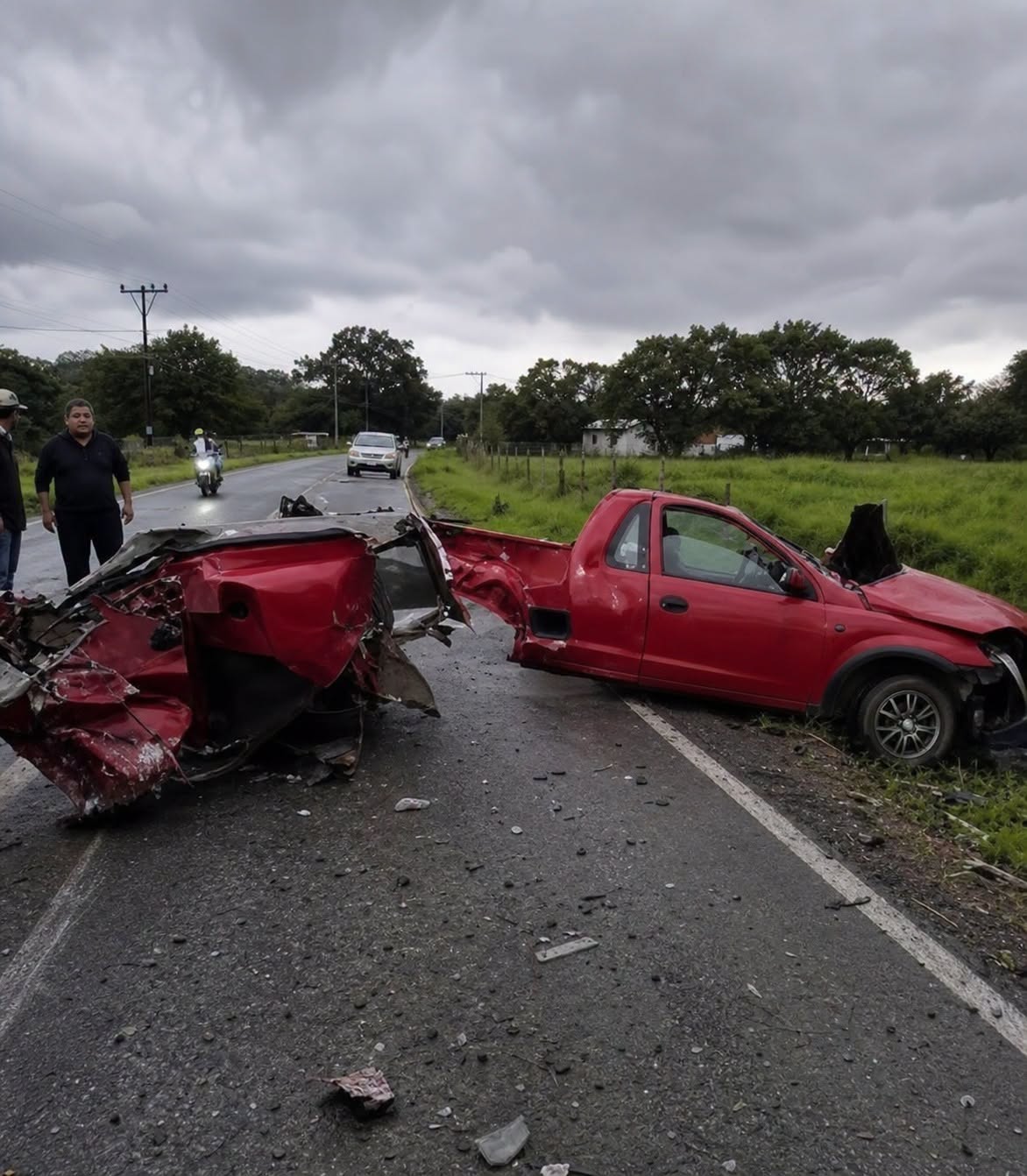
A devastating crash on Manhattan’s Upper West Side killed two people and critically injured three others after an SUV struck parked vehicles and mounted a sidewalk. The collision occurred at about 6 p.m. on Friday, May 15, 2026, near Amsterdam Avenue and West 109th Street, turning an ordinary evening outside neighborhood businesses into a mass-casualty scene.
According to police accounts reported by New York news organizations, a 61-year-old man was driving a Mercedes-Benz SUV north on Amsterdam Avenue when the vehicle hit multiple parked cars. It continued moving, jumped the curb, and struck five men on the sidewalk near a barbershop. Witnesses described the SUV leaving the road with enough force to throw people and scatter debris.
Two victims, ages thirty-five and forty-six, died from their injuries. Three other pedestrians were taken to hospitals in critical condition. Emergency crews closed the surrounding blocks as firefighters, paramedics, and police worked among damaged vehicles and treated the injured. Video and witness accounts showed a scene of confusion as bystanders tried to help before responders established control.
Police said the crash appeared to be an accident rather than an intentional attack, but investigators were examining whether the driver was impaired. Later reporting said he was charged in connection with the collision. Any allegation still must be resolved through the legal process, and the final findings depend on toxicology, crash reconstruction, video, and other evidence.
Investigators typically examine the vehicle’s path before impact, speed, braking, steering inputs, road conditions, and the driver’s physical state. Damage to the parked cars can help reconstruct the sequence. Nearby surveillance cameras and phones may show whether the SUV was already moving erratically before it reached the sidewalk.
The crash demonstrates why a curb cannot be treated as complete protection for pedestrians. A heavy vehicle traveling at road speed can cross a sidewalk in seconds, leaving people outside a shop almost no time to react. Street design can reduce that exposure through protected pedestrian space, strategically placed barriers, lower operating speeds, and layouts that discourage dangerous acceleration.
Impaired driving remains a preventable threat. Alcohol, drugs, and some medications can reduce reaction time and judgment long before a driver appears visibly incapacitated. A person who may be impaired should not be allowed to drive. Rideshare services, taxis, public transit, a sober friend, or simply waiting are safer than gambling with other people’s lives.
Witnesses to a serious crash should first protect themselves from traffic, fire, and unstable vehicles. Calling emergency services with an exact location is more important than filming. Moving a badly injured person can worsen spinal or internal injuries unless an immediate danger requires it. Dispatchers can provide instructions for bleeding control or basic care until professionals arrive.
For relatives and neighbors, the consequences continue after the street reopens. Families face sudden bereavement, injured survivors may require long rehabilitation, and witnesses can experience persistent trauma. Responsible coverage should avoid graphic speculation, respect next-of-kin notifications, and update early information when police or hospitals provide confirmed details.
The crash was not merely a viral scene of sirens and damaged cars. It ended two lives and left three people critically injured in a place where they should have been safe. The investigation must establish responsibility, but the broader lesson is already clear: sober driving, safer speeds, and street protection are essential because one loss of control can transform a sidewalk into a disaster.
New Yorkers who travel through Amsterdam Avenue will continue to pass the location long after the wreckage is removed. Memorials and court proceedings may keep the victims’ names in public view, but prevention requires sustained work: enforcing impaired-driving laws, studying the collision pattern, and making sure a busy neighborhood street does not rely on luck to protect people standing a few feet from traffic.