At eighty-five, Harold buried Margaret, his wife of fifty-eight years. Their home became so quiet that he left the television running simply to hear another voice. He expected their three adult children—Graham, Phoebe, and Julian—to help him through the first weeks. Instead, their behavior at the funeral and afterward made him feel as though they were already dividing a life he had not finished living.
During the service, Harold overheard the children beside Margaret’s coffin discussing her jewelry. They compared the value of a bracelet and ring and talked about taking an item before anyone noticed. Harold remained silent because he would not turn his wife’s funeral into a public argument, but he removed the bracelet himself and remembered every word.
Margaret and Harold had lived carefully for decades. They kept the same modest house, delayed vacations, drove old cars, and saved enough to leave each child a substantial inheritance. Within two weeks of Margaret’s death, Graham asked about the will, Phoebe wanted to know what would happen to the house, and Julian suggested selling it. None first asked whether their father was eating or sleeping.
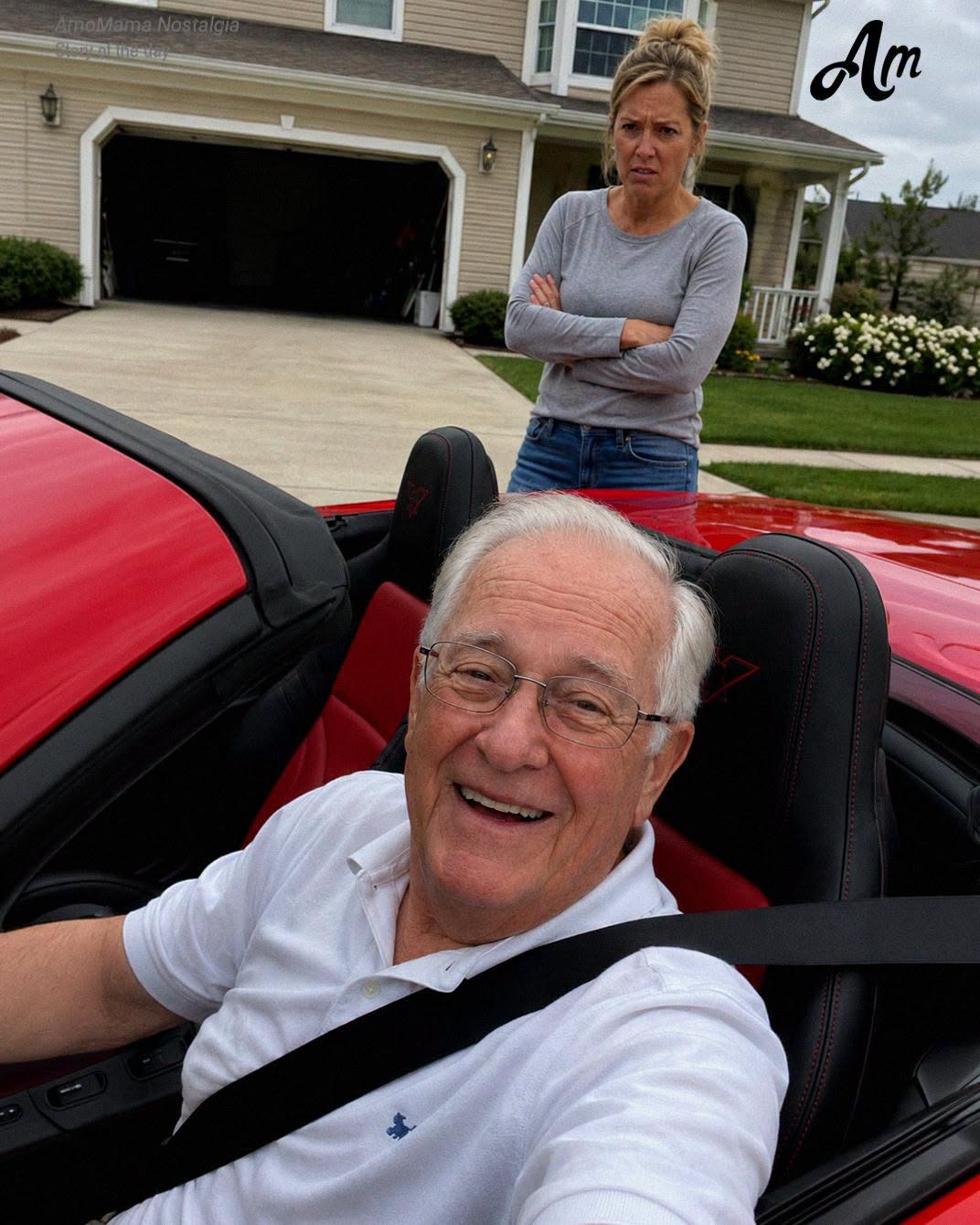
Harold remembered how Margaret teased him whenever a beautiful classic car passed. She promised that one day they might become “young and reckless again,” but bills and family needs always came first. In anger and grief, Harold called his bank, bought the luxury car he had always wanted, and booked several trips the couple had postponed.
The children arrived furious. Julian called the savings “our inheritance,” as though Harold were merely holding their money until he died. When they claimed Margaret would never approve, Harold retrieved the bracelet from the funeral and placed it on the table. He repeated the conversation he had overheard beside their mother’s coffin.
The confrontation exposed more than greed. Graham admitted that they talked about money when they could not discuss fear. Phoebe said organizing the house and will had made her feel that she could control something after losing her mother. Harold understood their grief, but he refused to accept it as an excuse for treating Margaret’s possessions like prizes or treating him like an estate.
Inside the bracelet was an engraving Harold had forgotten: “Young and reckless again.” Margaret had added the words years after he gave it to her. The message changed the meaning of the car. It may have begun as revenge, but it also reminded Harold that Margaret had not loved him for nearly six decades so he could spend his remaining years waiting to die.
Harold revised his will. Each child would still receive something, but most of the remaining estate would support a scholarship, a hospice, and a shelter for women rebuilding their lives—causes Margaret valued. He made clear that the decision was not permanent punishment. It was a refusal to reward children who had begun measuring curtains while their father was alive.
For the first time, the children asked what Harold actually wanted. He asked for honest visits, concern for him as a person, and respect for their mother as more than an inheritance. Phoebe apologized for deepening his loneliness. Graham followed. Julian admitted that he did not know how to repair the damage, and Harold told him the first step was refusing to pretend it never happened.
The deep-green car arrived with cream leather and polished wood. Harold placed Margaret’s bracelet in the glove compartment and prepared to visit the places they had always postponed. His children stood in the driveway without mentioning the price. Harold was no longer young, but he understood the engraving at last: recklessness did not have to mean carelessness. Sometimes it meant choosing to live before other people decided your life was already over.