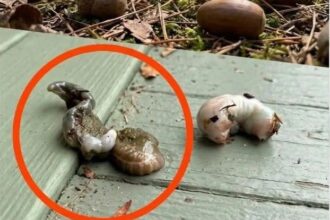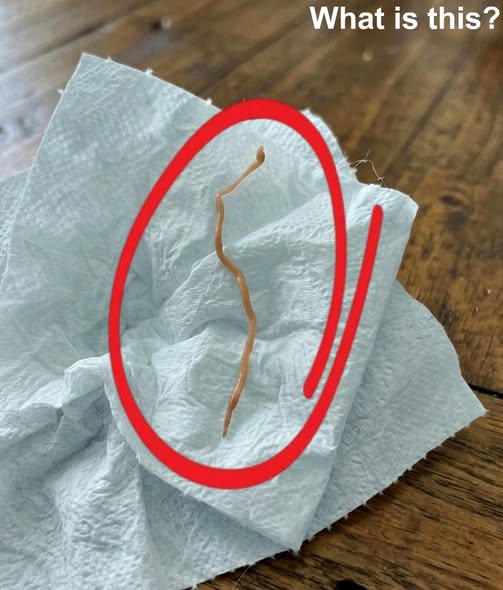
That visceral, heart-stopping jolt in the kitchen is a universal experience—even the most seasoned home cooks have had a moment where a strange texture or unexpected shape makes their stomach drop. It is a testament to how deeply our evolutionary survival instincts are wired.
Your brain’s rapid leap from “unfamiliar shape” to “deadly parasite” is actually a highly sophisticated defense mechanism known as the behavioral immune system. This psychological reflex triggers intense disgust and panic to force you away from potential contamination before you even have time to logically process what you are seeing.
The Anatomy of a Culinary Scare
What you encountered is an incredibly common source of kitchen panic. When meat is exposed to high heat, the various tissues that make up an animal’s muscle structure react in drastically different ways.
[Raw Meat] ───> (High Heat Applied) ───> [Muscle Proteins Shrink]
                                          └───> [Tendons/Collagen Tighten & Curl]
                                                 └───> (Hot Oil Movement) ───> False Parasite
- Differential Shrinkage: Muscle meat is primarily water and protein, which shrinks and releases moisture when cooked. Tendons and ligaments, however, are made of dense, fibrous collagen and elastin.
- The “Wriggle” Effect: Under intense heat, these tough connective fibers contract, tighten, and twist much faster and tighter than the surrounding muscle. When submerged in bubbling hot oil or rendering fat, the kinetic energy of the liquid combined with the structural contortion of the tissue creates a perfect illusion of independent, wriggling movement.
- Location Matters: Pork ribs are structurally complex. They rely heavily on these strong bands of connective tissue to anchor the meat to the bone, making them one of the most common places to find prominent, isolated strands of tendon.
Distinguishing Tissue from True Contaminants
While your logical mind ultimately solved the riddle with a fork, it can be helpful to know exactly what separates a normal piece of anatomy from an actual food safety issue.
| Feature | Connective Tissue (Tendon/Blood Vessel) | Actual Parasite (e.g., Roundworm) |
| Structure | Irregular, flat, or branching; firmly anchored to the muscle tissue. | Uniform, cylindrical, and completely separate from the meat’s grain. |
| Texture | Extremely tough, rubbery, or elastic; difficult to break apart with a fork. | Soft, fragile, or easily crushed when pressed. |
| Color | Translucent white, cream, or deeply dark (if a collapsed vein). | Typically opaque white, pinkish, or dull gray. |
| Heat Reaction | Tightens, shrivels, and curls dramatically in hot fat. | Shrinks slightly but quickly degrades or goes limp when cooked. |
Overcoming the “Disgust Residue”
It is completely normal that your appetite didn’t miraculously return the moment you realized it was just a tendon. Disgust is an incredibly sticky emotion; once the brain labels an environment or an item as “contaminated,” it sets a psychological boundary that takes time to dissolve.
Ordering takeout was the healthiest choice for your peace of mind. Forgiving yourself for the false alarm is the next step—your brain was simply doing its job to keep you safe, even if it was a little overzealous in its execution.