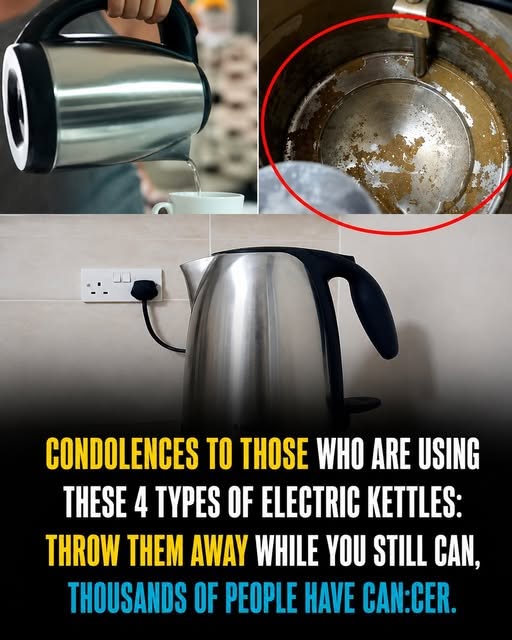
A dramatic warning about electric kettles can make every cup of tea sound dangerous, but the practical message is simpler. A well-made kettle used according to its instructions is generally a safe and convenient appliance. Replacement becomes sensible when the container, heating area, electrical parts, or food-contact materials show clear damage. No single type of kettle can be said to cause cancer simply because of its name or appearance.
The first warning category is a kettle with rust, pitting, or a peeling interior. A protective coating that separates from the surface is evidence that the appliance is deteriorating. Brown flakes, exposed metal, or repeated corrosion after cleaning are reasons to stop using it. Even when a tiny amount of ordinary rust is not an emergency, a damaged food-contact surface is no longer performing as designed and may continue to worsen.
The second category is a cheap plastic kettle that changes shape under heat. Plastic used in a boiling appliance must be suitable for high temperatures. Warping, soft areas, cracking near the heater, yellowing combined with damage, or a persistent plastic odor can indicate that the material is breaking down. An unusual taste or smell that remains after the manufacturer’s recommended cleaning procedure is another reason to replace the unit rather than keep experimenting.
The third concern is a metal kettle made from unspecified or poor-quality material. Reputable manufacturers identify food-contact materials and comply with the safety rules of the market where the product is sold. Stainless grades commonly marketed for kitchen use include 304 and 316, although a grade label alone is not a complete guarantee of the finished appliance. Clear manufacturer information, certification, warranty support, and recall history matter more than an unsupported claim printed by an unknown seller.
The fourth category covers kettles with persistent burning or metallic odors and heavy deposits that do not respond to proper care. Mineral scale is common where water is hard. It is not automatically evidence of poison, but thick buildup reduces efficiency and can interfere with the way a kettle heats or shuts off. Descaling at the interval and with the method recommended by the manufacturer helps distinguish ordinary mineral residue from damage that requires replacement.
Electrical warning signs deserve even greater urgency than cosmetic staining. Stop using a kettle if the cord or plug is damaged, the base becomes unusually hot, sparks appear, liquid leaks toward electrical connections, or the appliance fails to switch off after boiling. Do not open or repair a mains-powered kettle unless qualified to service it. Disconnect it, keep it away from use, and follow local guidance for electrical recycling or a verified repair program.
Consumers should also check official recall notices. A product that looks normal may still have a known defect involving fire, shock, burns, or a faulty handle. The model number is usually printed on the base or rating label. Comparing that number with the manufacturer’s notice and the relevant consumer-safety agency is more reliable than deciding safety from a viral photograph. A recalled kettle should be handled exactly as the notice directs.
For routine use, keep the base and connector dry, stay between the minimum and maximum fill lines, close the lid before boiling, and place the kettle on a stable surface. Never immerse the electrical base, and do not allow the cord to hang where a child can pull it. Emptying stale water and cleaning at appropriate intervals can limit deposits without scratching or damaging the interior.
The claim that thousands of people have developed cancer from the four listed kettle types is not established by the source article, which itself says no single kettle directly causes cancer. Long-term exposure to certain substances can be a valid health concern, but that does not justify diagnosing risk from a brand-free list. People should rely on product documentation, recall databases, and professional advice when a material is uncertain.
Throwing away every plastic or stainless kettle would be unnecessary. The sensible approach is inspection and evidence. Replace an appliance that rusts, peels, warps, cracks, smells abnormal after cleaning, leaks, overheats, or appears on a recall list. Choose a traceable product from a reputable manufacturer and maintain it correctly. The goal is not fear of boiling water; it is recognizing when an everyday appliance is no longer in safe condition.