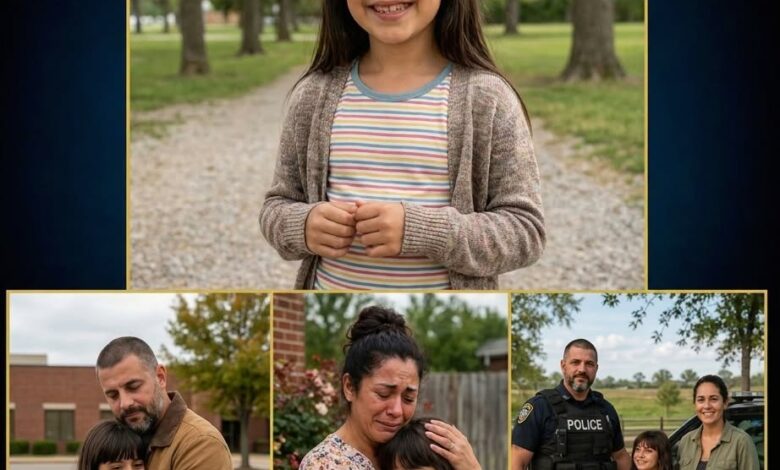
News that a missing child has been found alive can move through a community like an electric current. After months or years of fear, people cry, embrace, and finally release the breath they feel they have been holding. The reunion is a moment of extraordinary relief, but it is not the end of the story. For the child and family, it is the beginning of a delicate return to safety, trust, and everyday life.
The first priority is the child’s physical and emotional well-being. Medical professionals may need to assess health concerns, while trained interviewers gather information without forcing the child to repeat painful experiences unnecessarily. Adults around the child must resist the understandable urge to demand every detail. A person who has lived through prolonged uncertainty or trauma deserves control over when, how, and to whom they speak.
Reunification can contain many emotions at once. Parents may feel joy, guilt, anger, and fear. The child may be relieved to be home yet overwhelmed by familiar people, changed surroundings, or public attention. None of those reactions cancel the happiness of being reunited. They show that survival and recovery are complicated. Healing rarely moves in a straight line, and a difficult day does not mean progress has been lost.
Privacy becomes especially important when a case has attracted widespread interest. Supporters naturally want updates, but photographs, interviews, and detailed accounts can place pressure on the child. The family should be allowed to decide what is shared. News organizations and social-media users can celebrate the safe return without turning the child’s recovery into a public performance. Dignity is part of safety too.
At home, routine can become a powerful form of reassurance. Regular meals, sleep schedules, quiet activities, and predictable explanations help rebuild a sense that the world is dependable. Adults can offer choices in small matters so the child regains a feeling of control. Therapy with professionals experienced in childhood trauma may also help the family understand nightmares, withdrawal, anger, or fear without judging those responses.
Siblings and other relatives need support as well. They may have lived with uncertainty, changes in family attention, and their own frightening questions. The returning child should not be expected to comfort everyone else or behave as though nothing happened. A family therapist can help relatives speak honestly while keeping the child’s needs at the center. Recovery belongs to the household, but responsibility for managing it must remain with the adults.
The community that searched and hoped can continue helping after the headlines fade. Practical assistance with meals, transportation, school arrangements, or counseling costs may be more valuable than repeated requests for information. Schools can prepare a calm return plan, limit unwanted attention, and provide a trusted adult the child can approach. Friends can offer warmth while accepting that the family may need distance.
A safe return also creates an opportunity to review the response to the disappearance. Authorities and community leaders can examine what worked, where communication failed, and how future searches might begin faster or reach farther. That review should be based on verified information rather than blame. Lessons learned can strengthen alert systems, coordination, and support for other families.
Finding a missing child alive is the answer to countless prayers, yet homecoming is not a movie ending. It is a second beginning, made of small steps and patient care. Hope brought people through the search; respect, privacy, professional support, and unconditional love can help carry the child through what comes next.
The child’s own pace must guide every stage. Celebrations, visitors, and public ceremonies may feel loving to adults while becoming overwhelming to someone readjusting to ordinary sensations and relationships. Asking permission, offering quiet alternatives, and accepting a no are concrete ways to return control. Progress may be measured in small moments: sleeping through a night, returning to a favorite activity, or choosing to speak.