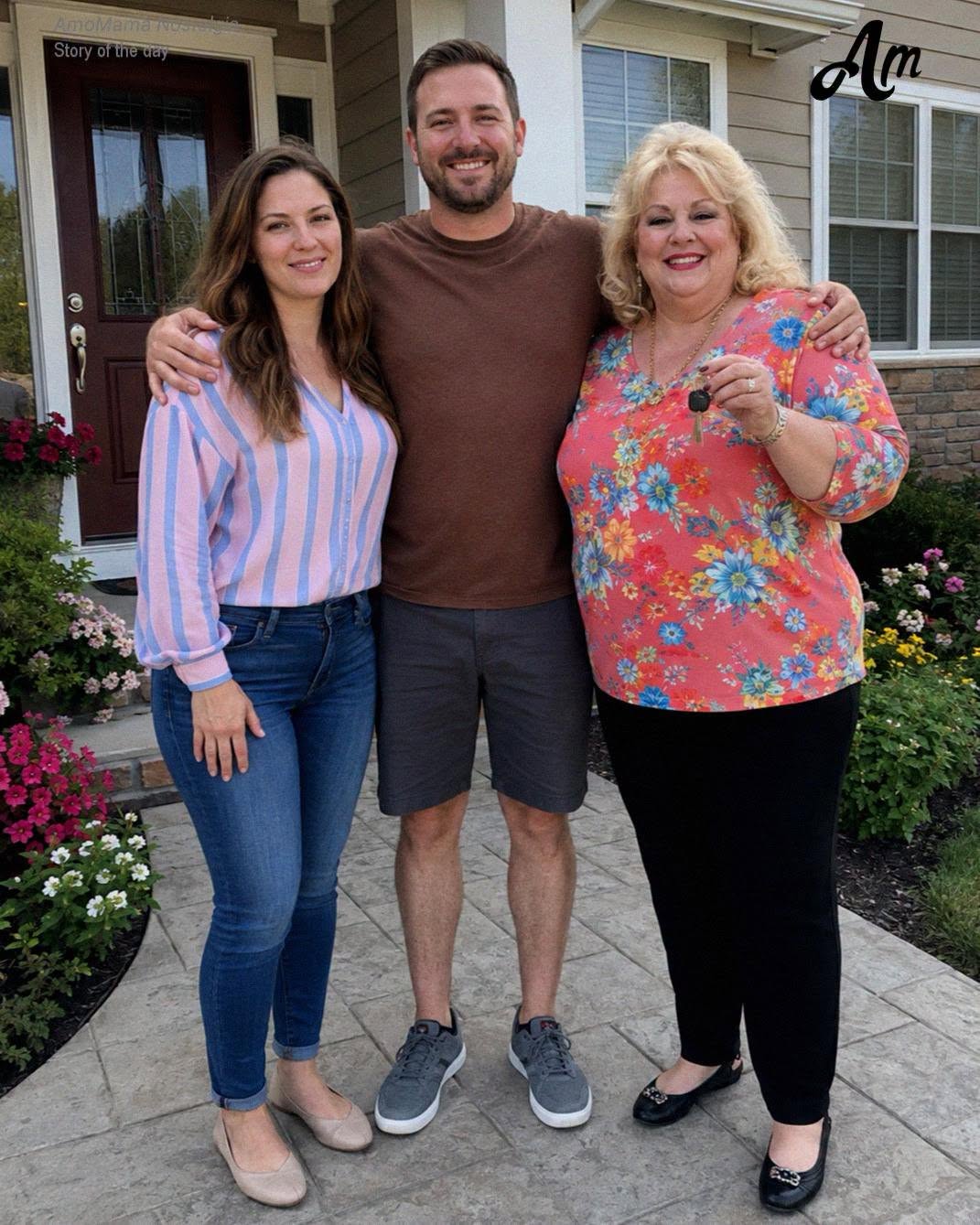
At 4:17 one afternoon, the bank confirmation finally showed a zero balance. After thirteen years of marriage, overtime, and constant anxiety, I could say that Leo and I owned our home. I expected our celebration dinner to be about relief. Instead, my mother-in-law Camila raised her glass and announced that she could finally begin making the house her own. Leo smiled as if she had made an ordinary joke.
The comment struck a nerve because of what had happened three years earlier. Leo’s department had been eliminated, and we had feared losing the house. We agreed that he would stay home with the children while I took every extra shift I could find. Camila called her visits help, but she mostly criticized the housekeeping and reminded me that a woman should manage the home even while working sixty hours a week. She never recognized that my exhaustion was keeping a roof over everyone.
After dinner, Leo admitted that Camila’s lease would expire the following month and that he had already offered her our spare room. He had not asked me. To him, the paid mortgage meant there was plenty of space. To me, it meant the room purchased with years of sacrifice had been promised away by two people who treated my consent as unnecessary. Their private agreement made Camila’s toast suddenly sound literal.
I did not scream or order anyone out. The next morning, I prepared a written occupancy agreement. If Camila wanted the spare room, she would pay rent, contribute to utilities, respect our privacy, and accept that she had no right to redecorate common areas or overrule me in my own home. The amount reflected what a comparable room would cost, not the symbolic contribution she seemed to expect. My boundaries were written clearly enough that no one could later claim confusion.
Camila ran to Leo in tears. She described the agreement as cruel and insisted he stop me. Other relatives arrived ready to support her, assuming Leo would declare that his mother could stay without conditions. For years, that assumption had worked. Camila spoke as though the house belonged primarily to her son and I was merely the wife who happened to live there.
This time, Leo read the document and finally understood what he had ignored. He remembered the nights I came home too tired to speak, the extra shifts, and the way his mother belittled work that had kept the mortgage current. He told Camila that I had worked myself into the ground for the house and that he should have rejected her disrespect years earlier. The decision was not his to overturn because it should never have been made without me.
Camila left furious, with relatives following behind her. Later, she found another apartment before her lease ended and never raised the spare room again. The conflict did not end with a dramatic eviction because she had never moved in. It ended when the expectation of free access met a boundary she could not manipulate.
Leo apologized without defending himself. He said he had mistaken my fatigue for an ordinary part of the crisis rather than evidence of how much I was carrying. An apology could not return those lost nights, but his willingness to see the imbalance mattered. We began treating decisions about our home as decisions requiring two genuine yeses. Family loyalty would no longer be used to bypass the person most affected.
A few weeks later, we cleared the spare room and made it a home office. I unpacked books that had remained in the garage since we moved in. We added shelves, a lamp, and a desk chosen for the work I wanted to do next. Standing in the finished room, I understood why Camila’s announcement had hurt so deeply. Paying off the mortgage was not only about owning property. It was about finally having security after years of fear.
The room did not become mine because I defeated my mother-in-law. It became mine because Leo and I corrected a pattern in which my labor was treated as invisible and my consent as optional. A relative can be welcomed without being given authority, and help from the past does not purchase control over a couple’s future.