It is a sensation that almost every human being has encountered at least once in the quiet hours of the night. You are drifting through a peaceful slumber when you are suddenly jolted awake by a bizarre, phantom limb. Your hand feels like a heavy, unresponsive weight at the end of your arm, or perhaps it is vibrating with a frantic, electric energy that mimics a thousand tiny needles piercing your skin.
This phenomenon, which we casually refer to as a limb falling asleep, is medically known as paresthesia. While it often feels like a minor, fleeting annoyance, the biological mechanics behind this sensation are a complex interplay of neurological signaling and vascular health.
The Science of “Pins and Needles”
Contrary to popular belief, your hand isn’t actually sleeping; rather, the bridge of communication between your extremities and your brain has been temporarily sabotaged.
- Nerve Compression: The human body is a vast network of biological wiring, with nerves serving as high-speed cables. When you maintain a static position for too long—such as tucking your hand under a heavy pillow—you are essentially “kinking the hose.” This physical compression creates a bottleneck that prevents nerve impulses from traveling freely.
- The “Reboot”: When the pressure is finally released, the frantic rush of signals returning to the brain creates the chaotic, prickling sensation we recognize as pins and needles.
- Vascular Restraint: Circulation plays an equally vital role. Blood vessels are the life-support systems for your nerves. Localized ischemia (a temporary lack of blood supply) leaves nerve cells gasping for oxygen. Without fuel, nerves lose their ability to maintain their electrical potential, leading to that “dead weight” feeling.
When Numbness Is a Warning Sign
While most instances are the result of poor sleeping posture, persistent paresthesia can be a harbinger of underlying health conditions:
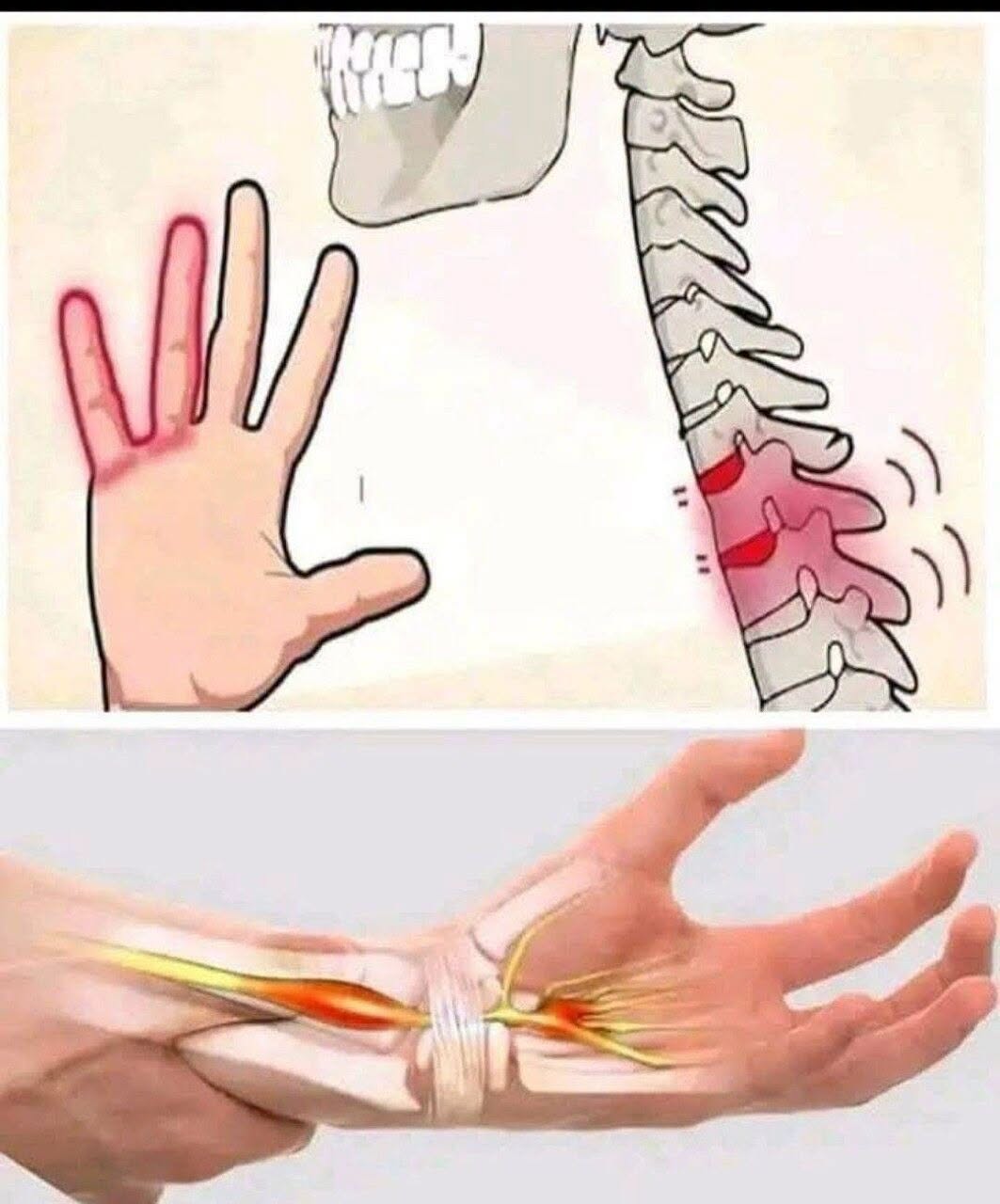
- Carpal Tunnel Syndrome: Occurs when the median nerve in the wrist is squeezed. This is often noticed at night when the wrists tend to flex or curl inward.
- Diabetic Neuropathy: High blood sugar over long periods can cause chemical damage to nerve fibers, leading to chronic numbness.
- Neurological Conditions: Multiple Sclerosis (MS) can present with paresthesia as an early symptom. Similarly, spinal issues like herniated discs can pinch nerves at the source, sending phantom sensations to the fingertips.
Proactive Strategies for Better Sleep
Preventing the nightly nightmare of numb hands requires a proactive approach to sleep hygiene and daily ergonomics:
- Alter Your Position: Use a body pillow if you are a side sleeper to prevent your top arm from collapsing across your chest and cutting off circulation.
- Mind Your Desk Habits: Frequent breaks to stretch forearms and wrists during the day can mitigate pressure on the median nerve before you go to bed.
- Check Your Attire: Avoid tight-fitting pajamas or restrictive wristwatches. Loose, breathable fabrics allow the body to shift naturally without binding.
- Maintain a Neutral Spine: Slumping over a smartphone or desk can cause cervical spine compression. Using an ergonomic pillow helps keep nerve pathways open from the neck to the fingertips.
Final Thoughts
In the vast majority of cases, waking up with a numb hand is a harmless reminder of our physical limitations. It is a sign that the body’s internal failsafes are working, prompting you to move and restore the vital flow of information.
However, if you find yourself shaking your hands awake every night, or if the tingling persists long after you’ve left the bed, it is a clear signal to consult a healthcare professional. By paying attention to these quiet warnings, we can ensure our nights remain a time of true rest.