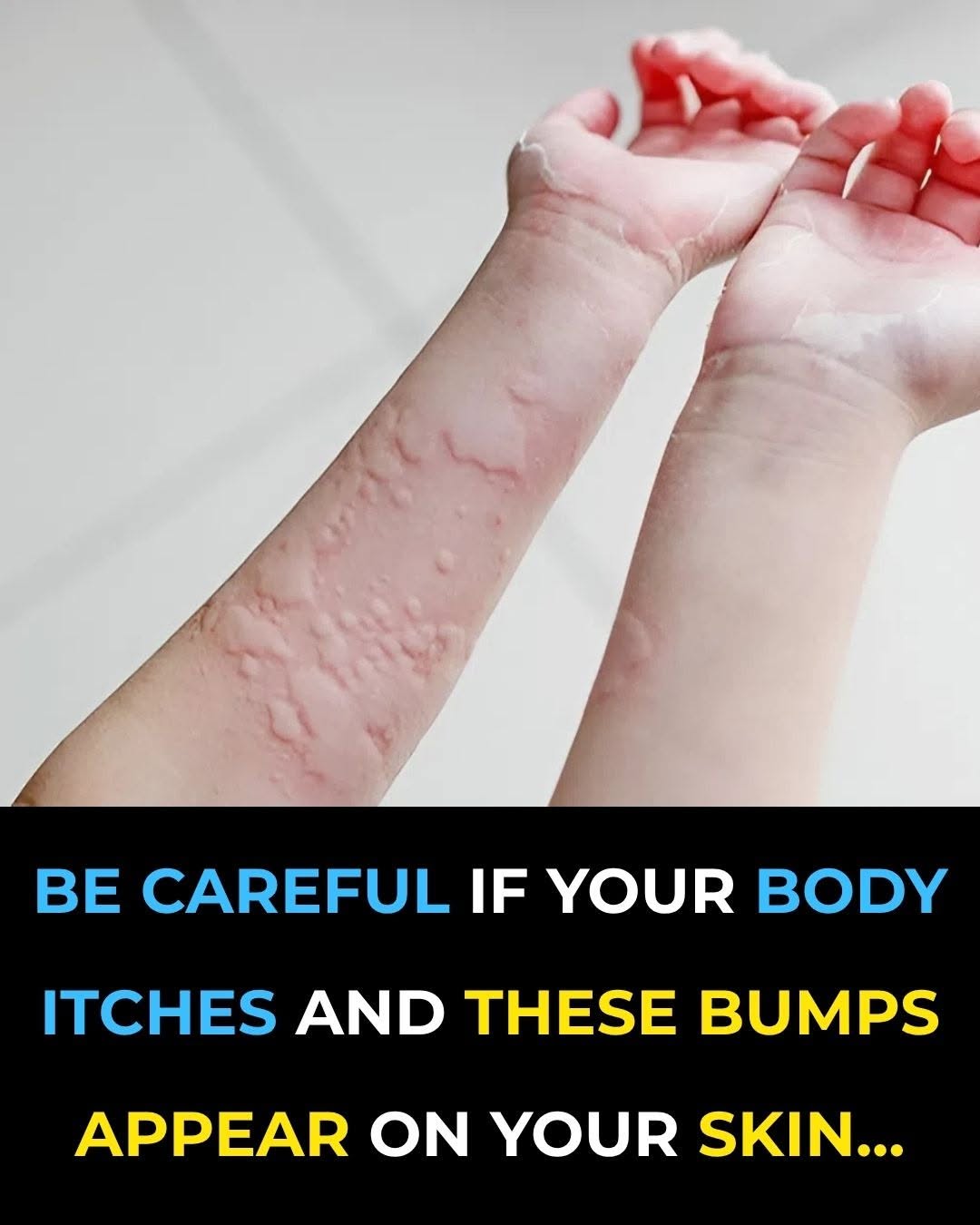
You wake up in the middle of the night, your skin burning with an uncontrollable, maddening itch, only to discover your body covered in angry, raised red welts that seem to have appeared out of thin air. You assume it’s just a bug bite or a minor reaction to a new laundry detergent, but you are catastrophically wrong. Those mysterious, shifting patches are not just a nuisance—they are your body’s desperate, high-alert alarm system screaming that something is fundamentally wrong beneath the surface. If you ignore these hives, you are playing a dangerous game with your immune system that could lead to a life-threatening crisis.
Urticaria, commonly known as hives, is far more than a superficial cosmetic annoyance. It is a complex, immunological response characterized by the rapid development of elevated, intensely itchy lesions. These welts can appear anywhere on the body—the face, arms, legs, or trunk—and they often form clusters that seem to migrate across your skin with terrifying speed. While it is true that many of these lesions vanish as quickly as they appear, the underlying mechanism triggering them is a sophisticated biological event that demands your full attention. When your immune system’s mast cells are activated, they flood your bloodstream with histamine and a host of other inflammatory mediators. This chemical surge causes your skin’s capillaries to leak fluid into the surrounding tissue, resulting in the characteristic, swollen welts that define the condition.
The symptoms of urticaria are as unsettling as they are distinct. You might be dealing with classic hives—well-defined, raised lesions that often feature a pale center surrounded by an angry red perimeter. You will almost certainly experience pruritus, the medical term for the unrelenting, deep-seated itching that makes normal life impossible. Perhaps the most baffling trait of hives is their “evanescent character.” One moment a welt is burning on your shoulder, and a few hours later, it has vanished without a trace, only to reappear on your thigh or your neck. This erratic, unpredictable behavior is what makes urticaria so mentally taxing for those who suffer from recurring outbreaks.
In some cases, hives are accompanied by angioedema, a deeper, more severe swelling that affects the layers beneath the skin. While hives are typically irritating, angioedema is often painful or creates a sensation of tight, stretched skin. It frequently targets the sensitive tissues of the eyelids, lips, hands, feet, and genitalia. You must be hyper-aware that angioedema is not just a localized swelling issue; if it involves the tongue, throat, or airway, it becomes a critical medical emergency. In those moments, your ability to breathe can be compromised within minutes, turning a “skin problem” into a life-or-death battle for oxygen that requires immediate intervention.
Medical professionals categorize urticaria primarily by the duration of the symptoms. Acute urticaria is the most common form, typically lasting less than six weeks, and is often triggered by a clear, identifiable cause. Chronic urticaria, however, is a much more daunting diagnosis, defined by outbreaks that persist beyond six weeks. In many of these cases, the condition is classified as “chronic spontaneous urticaria” or idiopathic urticaria, meaning the internal trigger remains a frustrating, elusive mystery. This is where the immune system may be misfiring, attacking its own mast cells in an autoimmune cycle that can feel impossible to break without professional, long-term medical management.
Beyond the spontaneous variety, there exists physical or “inducible” urticaria, where specific, external environmental stimuli force the body to react. Dermographism is a bizarre manifestation where the mere act of scratching or rubbing your skin causes the welts to rise up in the exact pattern of your touch. Cold urticaria can be triggered by exposure to plummeting temperatures or ice-cold water. Pressure urticaria occurs when sustained, localized force is applied to the skin, such as the persistent friction of tight clothing or waistbands. Solar urticaria flares up when the skin is exposed to sunlight, while cholinergic urticaria is linked to spikes in core body temperature, often occurring during intense exercise or even a relaxing hot bath.
The list of potential culprits for acute urticaria is extensive and ranges from the mundane to the severe. Allergic reactions to specific foods—such as shellfish, almonds, eggs, or milk—are classic triggers. Pharmaceutical agents, particularly antibiotics or common painkillers like aspirin and ibuprofen, are notorious for sparking hive outbreaks. Infections are another major pathway; everything from a common viral cold to bacterial infections like strep throat can prime your mast cells for an inflammatory outburst. Even emotional stress, while not the direct cause of the chemical release, acts as a potent accelerant, making existing outbreaks significantly more painful and persistent in sensitive individuals.
Diagnosing the cause of persistent urticaria is an exercise in meticulous investigation. A physician will dive deep into your medical history, looking for patterns in the duration of the outbreaks and cross-referencing them with your recent exposures to foods, medicines, and environmental stressors. The primary goals of your treatment plan are twofold: first, to provide immediate relief from the physical agony of the itching, and second, to identify and eliminate the trigger. Antihistamines remain the gold standard and the cornerstone of the treatment protocol; they work by blocking the action of histamine, effectively cooling the chemical fire that is fueling the hives. Depending on the severity of the case, a doctor may prescribe a brief course of corticosteroids to forcibly dampen an out-of-control inflammatory response.
If you are suffering from recurring hives, the most important step you can take is to stop waiting for them to “go away on their own.” While many cases are indeed harmless, the risk of misidentifying a chronic autoimmune issue or ignoring a developing respiratory threat is too high to justify complacency. You are the only person who knows your body’s baseline, and when that baseline is disrupted by persistent, painful, or shifting skin reactions, it is time to seek professional medical guidance. Keep a detailed log of when the hives appear, what you ate, what you touched, and how you were feeling in the hours before the welts emerged. Armed with this information, you can turn a mystery into a manageable medical situation. Your skin is the largest organ you have—it is time to start listening to the warnings it is sending before those warnings turn into a genuine health disaster.
The Hidden Terror on Your Skin: Why Those Mysterious Red Welts Are a Warning You Can’t Afford to Ignore
Previous Article Next Article
The Invisible Predator: How to Outsmart the Sophisticated Scammers Hunting for Your Life Savings
The World on the Brink: Trump’s Massive Strike on Iran Ignites Global Panic

Related Posts

Tom Selleck Breaks Down In Tears On Set And Fans Are Terrified Th ...
September 11, 2026
Dad Revealed Heartbreaking Last Words Before Son, 10, Was Decapit ...
September 11, 2026