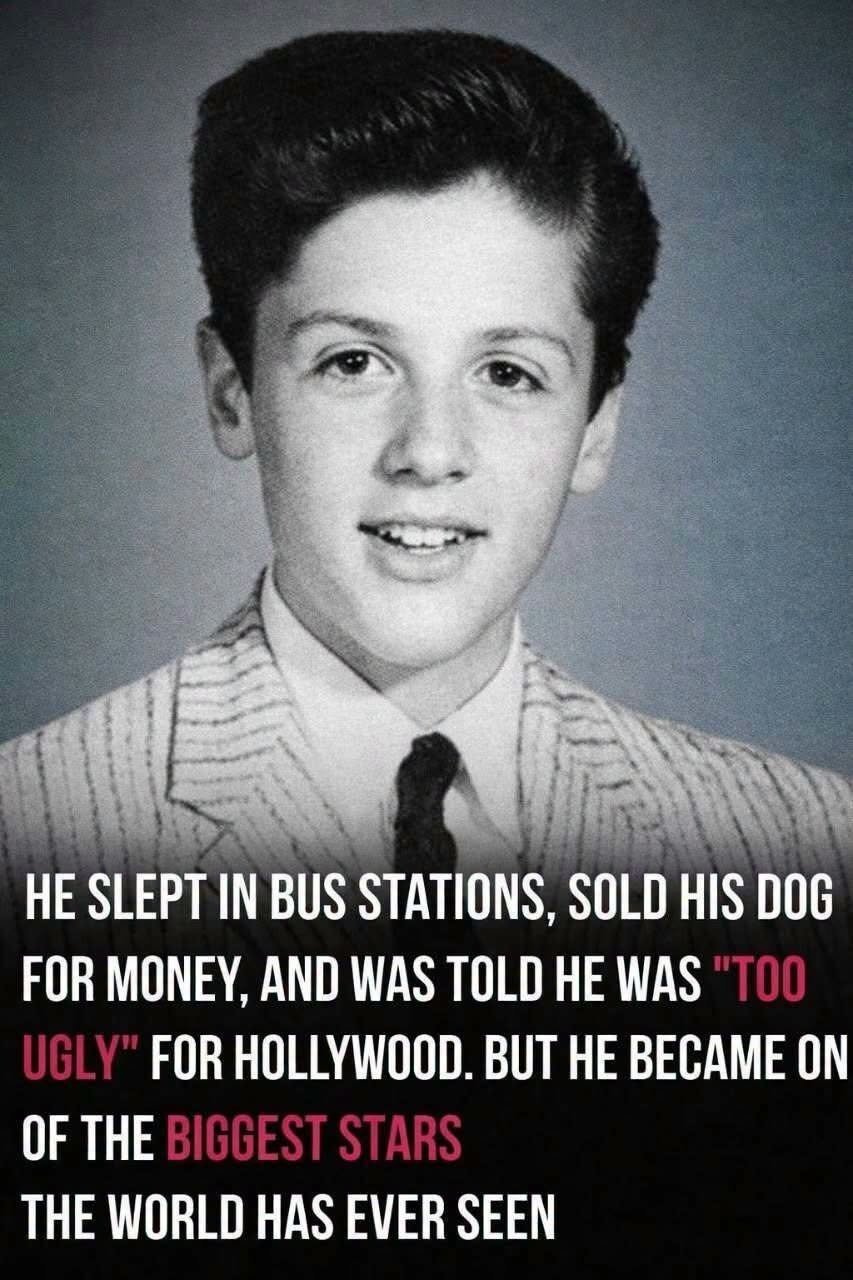
Born with facial nerve damage that affected his speech and expression, Stallone endured bullying, family upheaval, and years of professional dismissal. Acting offered purpose, but little security. He later recalled selling his beloved dog, Butkus, when he could no longer afford to keep him. In 1975, watching Chuck Wepner battle Muhammad Ali into the fifteenth round sparked an idea. Stallone wrote the first draft of Rocky in three days, giving his frustrations a fictional voice.
Producers saw promise in the screenplay, but Stallone insisted on playing its battered, hopeful boxer himself. Eventually, the film moved forward on a modest budget. Released in 1976, Rocky became a phenomenon and won the Academy Award for Best Picture. Stallone also reunited with Butkus, whom he said he bought back after selling the script. More franchises followed, but that first breakthrough remained especially personal: an actor repeatedly dismissed had finally made audiences see him.
The contrast between Stallone's early insecurity and his later recognition gives the story its emotional force. Acting had provided a direction, but it had not immediately provided stability. Professional rejection and financial difficulty existed alongside his determination to continue. The story does not present success as an uninterrupted climb. It describes a period when the work he wanted to do and the life he could afford were painfully far apart.
His decision about the Rocky screenplay brought those concerns together. Producers could recognize the promise of the writing while remaining uncertain about its author as a leading actor. Stallone's insistence on playing the boxer meant that the script represented more than a potential sale. It was also his opportunity to perform the kind of role he believed he could bring to life.
The account links that creation to watching Wepner fight Ali in 1975. A real sporting encounter became the spark for a fictional character through whom Stallone could express his own frustrations. Writing the first draft in three days suggests the intensity of that connection. The idea gave shape to feelings that had already accumulated through years of struggle, turning personal discouragement into a story that other people could recognize.
The film's eventual success creates a striking change in perspective. A modest production became a widely celebrated film, and an actor who had experienced repeated dismissal became inseparable from its central character. The Academy Award for Best Picture belonged to the completed film and the many people who made it. For Stallone, its reception also marked a change in the possibilities available to him.
Butkus gives the account a particularly personal thread. Selling a beloved dog because he could no longer afford to care for him conveys hardship through a relationship rather than through a balance sheet. Stallone's recollection that he bought the dog back after selling the script connects the professional breakthrough with something he had lost before it. The reunion matters because it restores a part of his earlier life, not simply because it accompanies fame.
The later franchises mentioned in the account show that Rocky was a beginning rather than the entire career. Yet this origin story continues to attract attention because of the distance between its circumstances and its outcome. Facial nerve damage, bullying, family difficulties, rejection, and financial strain did not prevent the work from reaching an audience. They remain part of the background against which that achievement is remembered.