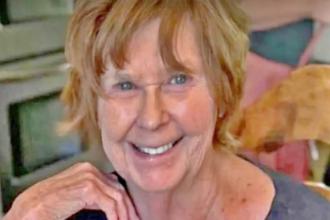
For twenty-five years, Rosa Ramirez allowed her hair to grow without a major cut. It eventually extended more than four feet down her back and became the feature by which many people recognized her. Friends admired it, strangers stared, and her husband occasionally suggested that she consider a shorter style. Rosa resisted because the hair was no longer simply part of her appearance; it had become tied to her identity and the passage of time.
Maintaining hair of that length required constant planning. Washing and drying took far longer than an ordinary routine. Rosa had to brush carefully, braid or wrap the length, and make sure it did not become trapped in furniture or caught beneath her feet. Walking, sleeping, traveling, and getting dressed all involved managing something that had gradually become part of her physical environment.
Every additional inch represented patience. Hair trends changed repeatedly during those twenty-five years, but Rosa’s look remained constant. Photographs taken years apart showed the same commitment growing longer with time. Cutting it would therefore mean more than trying a new style. It would remove a visual history she had carried through different stages of her adult life.
Eventually the weight and daily effort led Rosa to reconsider. She wanted a change, but she did not want decades of growth to be discarded on a salon floor. The decision became easier when she realized that the hair could be donated to help create hairpieces for people who had lost their own because of serious medical conditions.
That purpose transformed the haircut from a loss into a gift. The hair was divided and secured so that the usable length could be collected properly. Rosa planned to reduce it to approximately shoulder length—an enormous difference after years of carrying it far below her waist. Once the first section was cut, there was no way to retreat to the familiar look.
The volume removed from her head made the salon scene feel unlike an ordinary appointment. Long, heavy sections came away one after another. With each cut, Rosa’s face and posture appeared different. Her neck and shoulders were no longer framed by the same curtain of hair, and the weight she had automatically compensated for was suddenly gone.
The finished style surprised people who knew her. Shoulder-length hair made her look dramatically changed, but the most important reaction was Rosa’s own. She could move without gathering several feet of hair, wash it more easily, and experience the lightness of a routine that no longer required hours of management. The transformation was practical as well as visual.
Rosa’s husband had encouraged a cut over the years, yet the timing remained her decision. That detail matters. Hair can carry cultural, spiritual, emotional, and personal meaning, and pressure from other people does not make someone ready to change it. Rosa acted when she found a reason that felt consistent with her values rather than simply giving in to comments about her appearance.
Donation also required realistic expectations. Organizations that accept hair may have rules about minimum length, chemical treatment, gray hair, packaging, and whether a donation can be used. Anyone inspired by Rosa should check an organization’s current requirements before cutting. Hair should usually be clean, dry, divided into secured sections, and packaged exactly as requested.
The story has attracted attention because the before-and-after photographs are striking, but the deeper change is about identity and generosity. Rosa released something she had protected for a quarter of a century and allowed it to become useful to another person. The new haircut gave her physical freedom, while the donated length carried the possibility of confidence and comfort for someone facing medical hair loss.