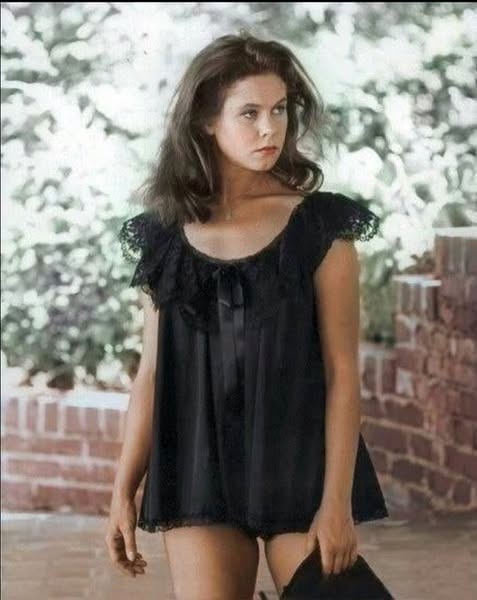
Elizabeth Montgomery earned her place in television history as Samantha Stephens, the quick-witted witch at the heart of Bewitched. Running from 1964 to 1972, the series showcased more than her famous nose twitch: it revealed an actress with impeccable comic timing and an ability to make an extraordinary character feel wonderfully human. Samantha’s affection, independence, and quiet resolve gave audiences someone to cheer for, while Montgomery’s charisma helped turn the sitcom into an enduring favorite.
Beyond Samantha, Montgomery pursued dramatic roles that demonstrated the range behind her familiar television image, including acclaimed performances in A Case of Rape and The Legend of Lizzie Borden. She died from colorectal cancer on May 18, 1995, at 62, leaving admirers mourning a talent whose work still had much to offer. Decades later, reruns continue introducing her to new viewers. Her legacy rests not simply on nostalgia, but on performances that remain funny, moving, and unmistakably her own.
Much of Samantha's appeal came from the balance Montgomery gave the character. The magical premise allowed for unusual situations, but the emotions remained recognizable: affection, frustration, loyalty, and the wish to be understood. Her performance helped connect the extraordinary setting to the everyday experience of family life. That connection is one reason viewers could remember Samantha as more than a collection of familiar comic gestures.
The source also points to a career that was broader than a single role. Its references to A Case of Rape and The Legend of Lizzie Borden place dramatic work beside the sitcom that made her so recognizable. Those performances allowed audiences to encounter different qualities in an actress they already associated with warmth and comedy. The range matters because a beloved television image can sometimes obscure the work that exists beyond it.
Her death at sixty-two gives the remembrance its sense of a life ending too soon. The article identifies colorectal cancer and the date of May 18, 1995, while focusing on the loss felt by admirers of her work. The affection in that response came from years of watching her bring characters into living rooms, an experience that can make a performer feel familiar even to people who never met her.
Reruns give that connection a continuing life. A new viewer can discover Bewitched without having been part of its original audience, while someone who remembers its first broadcasts can return to the same scenes with a different perspective. The shared point is Montgomery's performance, which remains available to be enjoyed rather than existing only in accounts of what television used to be.
That is the legacy described here: a memorable comic character, evidence of dramatic ambition, and the enduring pleasure of watching an actress whose presence made a fictional world feel personal. The sadness of her early death sits alongside gratitude for the work she left behind, allowing remembrance to include both the loss and the lasting brightness of her performances.
Each return to her work offers another opportunity to appreciate those qualities, keeping the remembrance rooted in what audiences can still see and enjoy.