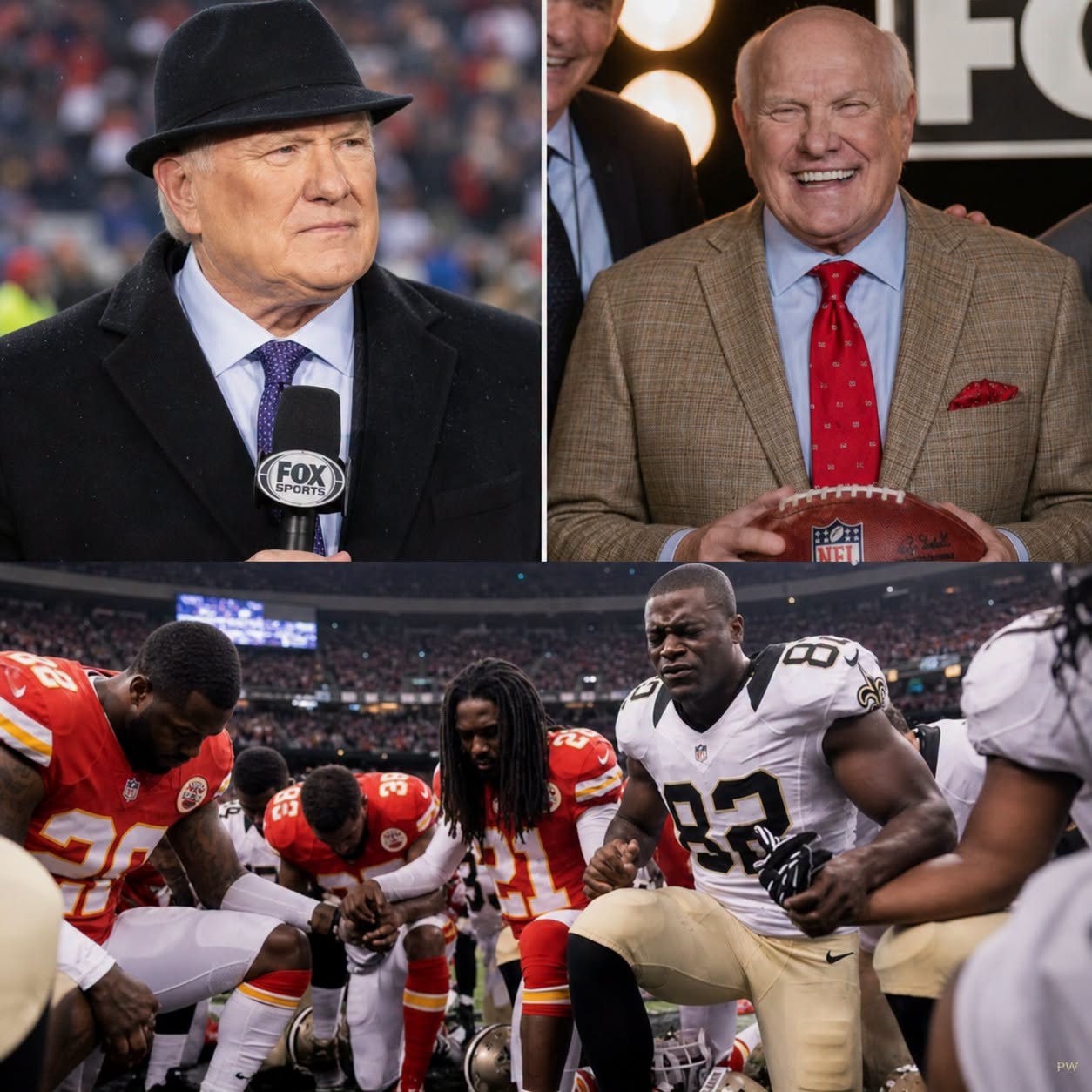
Terry Bradshaw spent much of his public life associated with strength, championships, and laughter. The former Pittsburgh Steelers quarterback won four Super Bowls, entered the Pro Football Hall of Fame, and later became a familiar television analyst. Behind that energetic public image, however, he quietly faced two separate cancer diagnoses within a year.
Bradshaw disclosed the illnesses in October 2022 after viewers noticed that he looked different and had become short of breath during a Fox NFL Sunday broadcast. He decided to address the concern directly rather than allow speculation to grow. His explanation revealed that the physical changes were connected to surgeries and treatment, not to a single minor health problem.
The first diagnosis came after doctors found bladder cancer. Bradshaw sought care at Yale University Medical Center, where he underwent surgery and treatment. Follow-up care continued afterward, but he reported that the cancer had been cleared. Receiving that news brought relief, yet his medical ordeal was not finished.
Only months later, an MRI for neck trouble revealed a tumor on the left side of his neck. Doctors identified it as Merkel cell carcinoma, a rare and aggressive form of skin cancer. Bradshaw underwent surgery at MD Anderson Cancer Center in Houston. Facing a second cancer so soon after the first added another level of uncertainty to an already exhausting year.
He initially kept both diagnoses private. Viewers continued seeing him smile and joke on television without knowing what was happening away from the studio. When he finally spoke, he did not present himself as untouchable or ask for pity. He acknowledged that he did not look exactly like his old self, assured fans that he felt much better, and thanked people for their concern and prayers.
Bradshaw also spoke about the tension of waiting for test results. Surgery and treatment involve visible appointments and procedures, but the intervals between scans can carry a quieter fear. A patient may feel well while still waiting for a phone call that determines what comes next. Bradshaw described follow-up care and the stress of learning whether the disease remained absent.
Faith shaped the way he approached both diagnoses. He focused first on whether the cancers could be treated and then committed himself to the work required. That outlook did not make the diseases harmless or the care easy. It gave him a way to move through fear without allowing it to control every decision.
His disclosure also challenged the narrow definition of toughness often attached to professional football. Bradshaw’s reputation had been built partly on playing through pain and leading the Steelers during their dominant 1970s run. Speaking openly about cancer required a different form of courage, one that admitted vulnerability rather than hiding it behind the image of a Hall of Fame quarterback.
Colleagues responded with affection and relief, and fans who had faced similar diagnoses saw a famous athlete describing experiences they understood. His story encouraged attention to symptoms, medical evaluation, and follow-up treatment. It also showed that an upbeat personality on television does not reveal everything a person may be carrying privately.
Bradshaw said he was cancer-free and continued his broadcasting work. Recent Fox Sports material still identifies him as a co-host and analyst, extending a television career that began after his retirement from football. His return did not erase the two diagnoses. It added new meaning to his familiar laughter and to every ordinary Sunday appearance. The champion known for surviving pressure on the field had endured surgeries, treatment, and uncertainty away from it, then chose to speak so others facing the same fear might feel less alone.