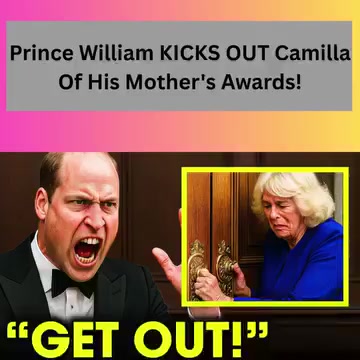
In recent headlines, a dramatic storyline has emerged: Prince William allegedly excluded Camilla, Queen Consort, from attending awards ceremonies honoring his late mother, Princess Diana. While iconic narrative headlines make for striking tabloids, a closer examination reveals a more nuanced reality.
The Reality Behind the Rumor There is no verified record or official announcement indicating that Prince William barred Camilla from any event related to The Diana Award or other commemorations of Diana.
It is true, however, that Camilla was not present at a high-profile Diana memorial service in 2007. At the time, Prince William and Harry had invited her, but Camilla later withdrew, stating that her presence “could divert attention from the purpose of the occasion”—the focus being Diana’s life and service
The distinction between an invitation and a prohibition changes the meaning of the story. If someone is invited and chooses not to attend, that decision cannot reasonably be described as proof that the hosts excluded them. The 2007 example is therefore important for precisely the opposite reason suggested by the dramatic allegation: it shows why the circumstances of a particular occasion matter more than a generalized story about family hostility.
Events remembering Diana have a purpose that extends beyond the relationships among members of the royal family. They can direct attention toward her life, the people she supported, and the work carried on in her name. A dispute over who supposedly was or was not welcome can easily displace that purpose. The remembered person becomes the background to a story about people who are still alive.
Camilla's explanation for withdrawing from the memorial service, as quoted in the account, addressed that problem directly. Her stated concern was that her presence might divert attention from the occasion. Whatever readers think about the wider family history, that explanation is different from an announcement that William had barred her. Treating the two as equivalent replaces an expressed reason with an assumed motive.
Absence is also a limited kind of evidence. A photograph records who was present within its frame. It does not by itself reveal an invitation list, a private discussion, or the reasons someone did not attend. An empty place at one event cannot establish a continuing rule covering other ceremonies. Moving from a single occasion to a claim about all Diana-related awards requires information the account does not supply.
The wording of royal stories often encourages that leap. Terms such as excluded, barred, and banned imply a deliberate decision by a named person. They carry more meaning than a statement that someone was not seen at a particular gathering. Care with those words is not a minor stylistic matter; it determines whether readers are being given an observed fact, a documented decision, or speculation about private relationships.
The available account therefore supports a narrower conclusion. Camilla withdrew from a particular memorial service after having been invited, and the explanation attributed to her concerned keeping the focus on Diana. It does not establish that William imposed the broader ban suggested by the circulating headline. Remembering that difference leaves room for Diana's life and the purpose of the commemorations to remain at the center of attention.