Have you ever looked at your arms, legs, or chest and spotted a prominent, raised, or dark blue vein that seemed to show up out of nowhere? For most of us, our veins stay hidden and out of mind. They work quietly in the background, moving blood back to the heart without needing any attention. However, when a vein suddenly pops out or starts to bulge, it’s completely normal to feel curious or even a bit anxious. You might wonder if it’s just a standard part of aging or a red flag for a medical issue.
The reality is that visible veins are often a fascinating, harmless reflection of how your body reacts to its environment, your habits, and your biology. Instead of a medical crisis, a bold vein can be a mirror showing how your circulatory system adapts to your life. To understand why they appear, we have to look at the network of vessels keeping us alive. Veins are the quiet heroes of the cardiovascular system, carrying deoxygenated blood back to the heart and lungs. Because some of these vessels sit right under the skin, even small changes in your body can make them very easy to see.
Everyday Triggers for Visible Veins
Several daily factors influence how much your veins stand out, and many have nothing to do with being unhealthy:
- Body Composition: This plays a huge role. If you have a lower body fat percentage, there is less “cushion” between your vessels and your skin. This is why athletes or very active people often have very defined veins.
- Exercise: When you work out, your muscles need more oxygen. Your vessels dilate to handle the extra blood flow, which can cause veins to bulge during or right after a session.
- Temperature: In warm weather, your body tries to cool down through vasodilation. Vessels widen to push blood closer to the skin’s surface to release heat, making them more apparent. In the cold, they constrict and fade from view.
- Diet and Hydration: Dehydration can make your skin lose its “plumpness,” making veins stand out. Meanwhile, high sodium intake can cause temporary fluid retention that might hide them.
The Natural Aging Process
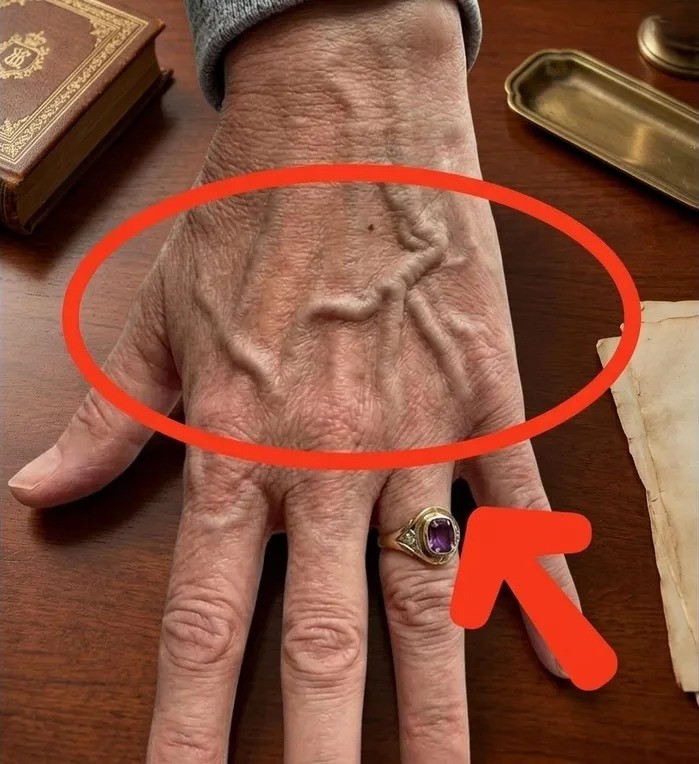
As time passes, our bodies go through irreversible changes. One of the biggest shifts happens to our skin. As we age, we gradually lose collagen and elastin—the proteins that keep skin firm and resilient. This makes the skin thinner and more see-through.
At the same time, we lose the layer of fat directly under the skin. When these protective layers of fat and collagen shrink, veins that were once hidden are suddenly exposed. This is a natural part of getting older and usually isn’t a cause for concern. You’ll mostly notice this on the backs of your hands, feet, and forearms. While it might be an aesthetic adjustment, it’s generally just a sign of time passing rather than heart disease.
When Veins Indicate a Condition
While most visible veins are harmless, some deserve a closer look. The most common condition is varicose veins. This happens when the tiny, one-way valves in the veins weaken. Instead of moving blood toward the heart, it flows backward and pools. This pressure causes the vein to stretch, twist, and turn dark blue or purple.
Varicose veins are often linked to genetics, standing for long periods, obesity, and hormonal shifts (like during pregnancy). Unlike normal visible veins, these can be physically uncomfortable. Symptoms include:
- A persistent aching or “heavy” feeling in the legs.
- Throbbing, cramping, or itching.
- Potential complications like blood clots if left ignored.
Supporting Your Vein Health
You can support your circulation and manage the look of your veins through proactive habits. Staying active is vital; walking, swimming, and cycling use the calf muscles to pump blood back up to the heart. Maintaining a healthy weight also takes pressure off the veins in your lower body.
Other helpful tips include:
- Elevation: Prop your legs above your heart for a few minutes at the end of the day to improve flow.
- Compression: For those with varicose discomfort, medical-grade compression stockings can help by gently squeezing the legs to support the vessels.
- Medical Options: If veins cause pain or distress, modern treatments like laser therapy or sclerotherapy can safely close or remove them.
Recognizing Red Flags
Knowing when to see a doctor is key. A vein you’ve had for years is likely fine, but sudden changes need attention. Consult a professional if:
- A vein rapidly becomes larger or unusually firm.
- You experience severe pain or tenderness along the vein.
- You notice skin discoloration, localized warmth, or swelling.
These can be signs of deeper issues like deep vein thrombosis (DVT). Listen to your body—most visible veins are just a harmless part of how you function, but staying vigilant ensures your peace of mind.