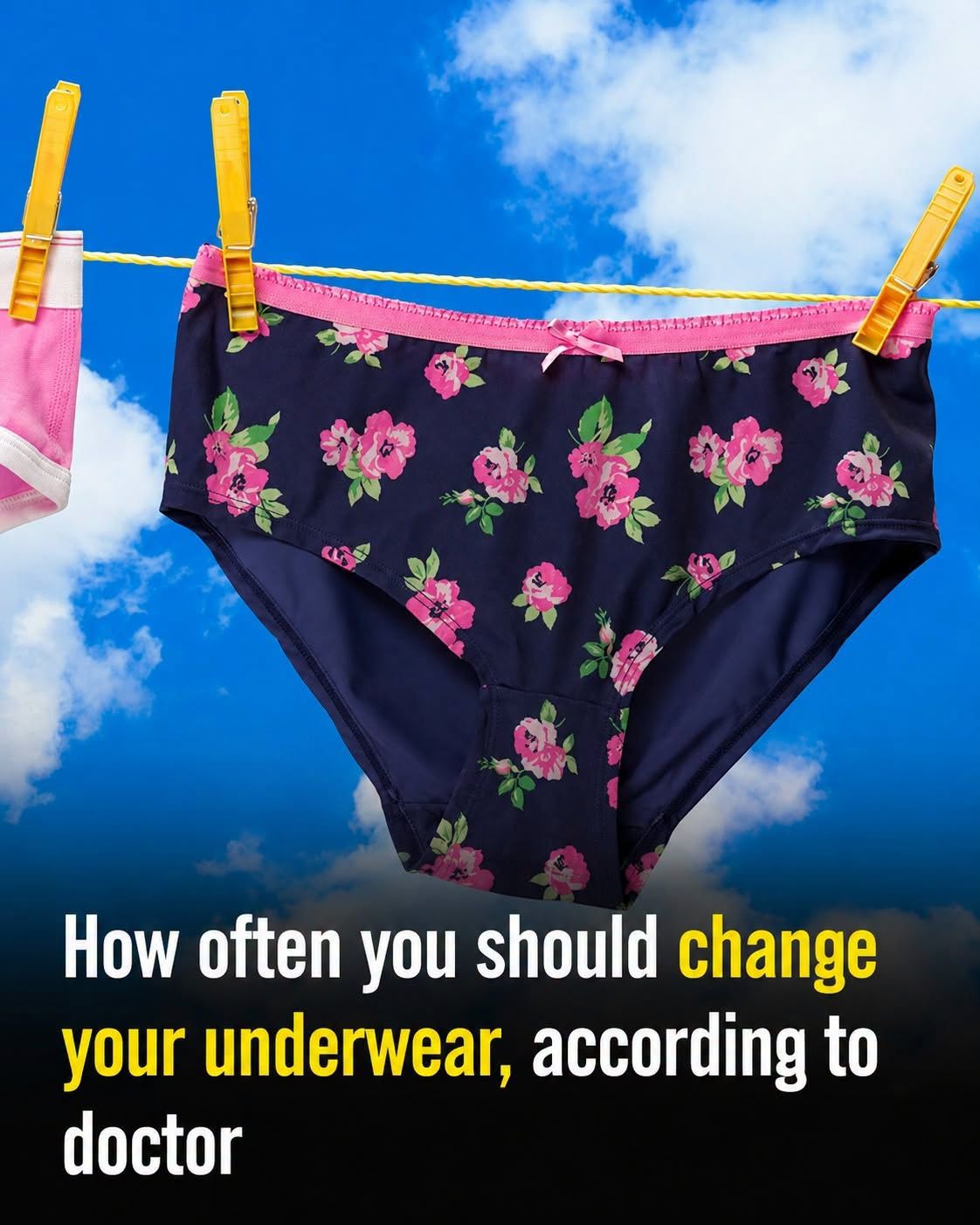
For most people, changing into clean underwear once every day is a sensible basic hygiene routine. The garment rests directly against skin for many hours and absorbs sweat, body oils, dead skin cells, and natural discharge. Replacing it regularly helps keep the area drier and reduces the buildup that can contribute to odor, friction, or irritation.
Daily does not mean that every person should follow an inflexible 24-hour countdown. Activity level, climate, fabric, health, and personal comfort all influence how often a fresh pair is useful. Someone who spends a cool day working at a desk may need only the usual daily change, while a person exercising outdoors in hot weather may reasonably change several times.
A fresh pair should be put on after a workout, strenuous work, or any activity that leaves underwear noticeably damp. Remaining in sweaty fabric can increase friction and create a warm, moist environment that is uncomfortable for skin. Showering and changing promptly after exercise is especially helpful for people who are prone to chafing, rashes, or recurring irritation.
Natural discharge also affects timing. Vaginal discharge varies through the menstrual cycle and is often a normal part of reproductive health. During heavier discharge or menstruation, some people prefer a second change during the day to remain dry and comfortable. Changing underwear does not replace appropriate menstrual-product hygiene, and unusual odor, pain, itching, or a major change in discharge should be discussed with a healthcare professional.
Fabric choice can make the routine easier. Breathable cotton is comfortable for many people because it absorbs moisture and allows airflow. Some modern athletic fabrics are designed to move sweat away from the body and may be useful during exercise, provided the damp garment is removed afterward. Other synthetic materials can trap heat or irritate sensitive skin, although individual reactions vary.
Fit matters as much as fiber. Underwear that is excessively tight can rub the skin, press into creases, and hold moisture close to the body. A properly fitted garment should remain in place without cutting into the skin. People who experience repeated chafing may benefit from a looser cut, smoother seams, or a different material rather than simply changing more frequently.
Washing practices also influence comfort. Follow the garment’s care label and use a detergent that cleans effectively without leaving irritating residue. People with sensitive skin may prefer a fragrance-free product and an extra rinse. Underwear should be dried fully before it is worn or stored because damp fabric can develop odor and support unwanted microbial growth.
A clean pair should not be shared, and used underwear should be kept separate from clean garments until laundry is done. Hands should be washed after handling clothing soiled with blood, stool, or other bodily fluids. When someone in the household has a contagious skin or gastrointestinal condition, medical or public-health advice may include additional laundry precautions.
There is no need to replace the garment itself after a fixed number of months if it remains clean, intact, and comfortable. However, stretched elastic, rough fabric, persistent odor after washing, damaged seams, or stains that cannot be removed are practical reasons to retire a pair. Worn material may shift during movement and create more friction than it once did.
Changing underwear is not a treatment for a urinary tract infection, yeast infection, dermatitis, or sexually transmitted infection. Clean, dry clothing can support comfort, but symptoms such as burning urination, sores, severe itching, unusual bleeding, pelvic pain, or persistent rash need proper evaluation. Repeatedly changing garments while delaying care may hide discomfort without addressing its cause.
The simplest approach is to begin each day with clean underwear, change again after heavy sweating or whenever the fabric becomes wet or soiled, and pay attention to the body’s response. Breathable material, a comfortable fit, complete washing and drying, and timely medical advice when symptoms appear matter more than obsessing over an exact number. A small, consistent habit is usually enough to support everyday skin and intimate comfort.