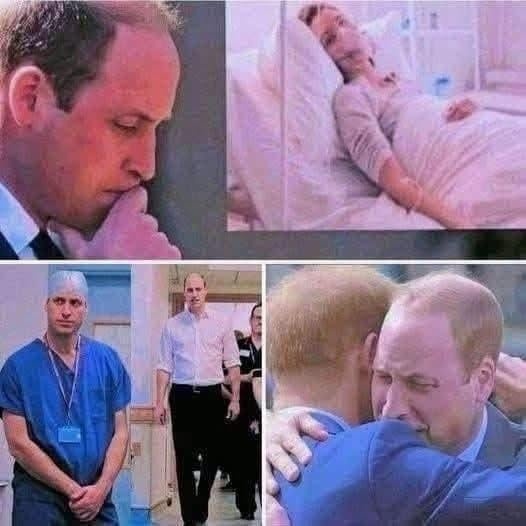
The silence in that room was reportedly unbearable. One sentence from a king, and decades of royal myth cracked open like glass. William’s face, Harry’s absence, Diana’s ghost—everything collided in a single, devastating moment of truth. What Charles allegedly admitted has left the monarchy shaken, the public reeling, and a grieving son torn between forgiv…
→
Those close to the family say the encounter did not feel like a monarch addressing an heir, but a flawed father finally facing the wreckage of choices made in youth, duty, and fear. Charles’s words, as described by insiders, were not wrapped in legal caution or palace polish. They were halting, heavy, and threaded with the unmistakable regret of a man who has watched history judge him in real time, yet never fully spoken his own verdict aloud.
For William, the confession reportedly pierced through years of carefully layered composure. It forced him to revisit not only the night his mother died, but the cold choreography that followed—the walk behind the coffin, the cameras, the expectation to be unbreakable. Harry, thousands of miles away, is said to be reliving the same ghosts with fresh intensity, his distance offering no real protection. Whether this moment becomes a fragile foundation for reconciliation or the final confirmation that the institution they were born into will always cost more than it can ever give, the illusion has been destroyed. What remains is a family, stripped of myth, left to decide what redemption can realistically look like.
The account relies heavily on descriptions attributed to insiders, but it does not supply the actual words of the supposed confession. That omission limits any firm conclusion about what Charles said, where he said it, or what either son understood from it. An emotionally detailed description of a room is not a substitute for a documented statement. The uncertainty remains part of the story, even when the language suggests a decisive turning point.
What the account does explore is the difference between an institutional role and a family relationship. A monarch speaking as a father and a prince listening as a son would bring different expectations to the same conversation. Public duty can encourage composure, while private grief may resist the neat explanations expected of a public institution. That tension gives the narrative its emotional force without establishing the specific encounter as a verified event.
Diana's memory is presented as a continuing presence in those relationships. The account connects that memory with the public experience of mourning and the expectations placed on her sons. It also suggests that physical distance does not necessarily remove the emotional significance of family history. These are the themes through which the narrative interprets the brothers' positions, rather than independently documented accounts of their present thoughts.
Reconciliation, if it is to occur, cannot be inferred from a dramatic headline or a reported expression of regret. It would depend on the people involved and on conversations outsiders may never know. The supplied story leaves that outcome unresolved. Its final question is about what acknowledgment might make possible, while the absence of direct evidence prevents it from establishing exactly what has already happened.