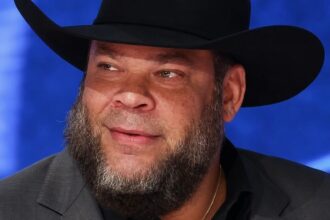
Frank Beard, the drummer whose steady backbeat powered ZZ Top for more than five decades, has died at 77. He was in hospice care when he died at his ranch in Richmond, Texas, with members of his family beside him, according to his publicist. His death closes another major chapter in the history of the Texas trio.
Billy Gibbons paid tribute to Beard as a close friend, collaborator and naturally innovative drummer. Gibbons said Beards signature rhythm was essential to keeping ZZ Top on top and indicated that the band would continue, honoring the wish Beard had expressed before his death.
Beard came from Frankston, Texas, and his musical partnership with Gibbons developed before ZZ Top became a household name. He later introduced bassist and vocalist Dusty Hill, with whom he had played in earlier groups. The three musicians formed ZZ Top in 1969 and created one of the most durable lineups in rock music.
The band drew from blues, rock and funk while developing a sound that was instantly recognizable. Beards playing rarely demanded attention for its own sake. Instead, it gave Gibbons guitar and Hills bass a firm, swinging foundation. That restraint was a central part of the groups power.
Their commercial breakthrough arrived with La Grange from the 1973 album Tres Hombres. The song used a simple blues framework, a driving rhythm and a guitar sound that became inseparable from the bands identity. Later recordings including Tush and Cheap Sunglasses strengthened their reputation as a group capable of turning traditional influences into modern rock.
ZZ Tops popularity expanded dramatically during the 1980s. The album Eliminator added synthesizers and programmed elements to the trios stripped down approach while preserving Beards sense of groove. Gimme All Your Lovin, Sharp Dressed Man and Legs became radio and MTV staples, introducing the band to a new generation.
Their videos were as memorable as their music. Gibbons and Hill appeared with long beards, sunglasses, custom cars and spinning fur covered guitars, while Beard became famous as the member whose surname matched the bands look even though he did not wear the same enormous beard. The group understood the humor of its image and never treated rock stardom with excessive seriousness.
Behind the visual jokes was an extraordinary record of continuity. Beard, Gibbons and Hill remained together for more than fifty years. Beard once said that he had found the people he was meant to play with and that he never wanted to quit or be fired. That sense of belonging helps explain why the trio survived changing musical fashions.
ZZ Top sold more than fifty million records. Multiple albums reached the top ten, several singles led the mainstream rock chart and the group received three Grammy nominations. The band entered the Rock and Roll Hall of Fame in 2004, recognition of both its commercial success and its role in carrying Texas blues traditions into arena rock.
Their songs also became part of popular culture through films and television. Tracks such as Sharp Dressed Man, Legs, Tush and La Grange appeared in productions ranging from comedy to action films. Each placement introduced Beards economical drumming to listeners who might not have encountered the original albums.
Dusty Hills death in 2021 ended the original trios uninterrupted run. Elwood Francis took over bass duties, following Hills wishes. Beard continued with the band but stepped away from touring in 2025 to address foot and ankle problems. More recently, health concerns led the group to cancel a scheduled Hollywood Bowl performance.
Beard is survived by his wife, Debbie Meredith, and three children. For fans, his absence will be heard in the space where his precise backbeat once held every element together. He was not the loudest personality in ZZ Top, and that was part of his artistry. He made restraint sound powerful.
The promise to keep the band moving forward does not lessen the loss. It reflects the same commitment that sustained ZZ Top from Texas clubs to international stages. Every future performance will carry the rhythmic language Beard established, a steady reminder that the drummer at the back of the stage helped define the entire sound.