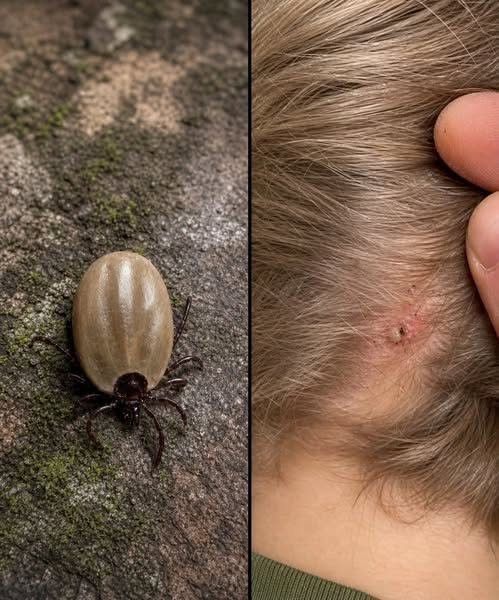
Finding an attached tick is frightening, but most bites do not cause serious illness. Use fine-tipped tweezers to grasp it as close to the skin as possible, then pull upward with steady, even pressure. Avoid twisting, jerking, burning, or covering it with petroleum jelly. Clean the bite and your hands with soap and water. Photograph the tick, note the date and location of exposure, and estimate how long it was attached.
Over the following weeks, watch for an expanding rash, fever, headache, unusual fatigue, or other new symptoms. A small bump immediately afterward often reflects irritation, and Lyme disease does not always produce a bull’s-eye rash. Contact your child’s clinician promptly about symptoms or a potentially high-risk bite: preventive antibiotics may be appropriate in selected cases, ideally assessed within 72 hours of removal. Seek urgent care for breathing difficulty or new weakness. Calm action and informed follow-up offer more protection than panic.
A useful response begins by separating the immediate task from the questions that follow. The immediate task is removal; the later questions concern what was found, when the exposure may have occurred, and whether the child develops symptoms. Trying to solve every uncertainty at once can make a parent feel overwhelmed. A short written record helps organize the situation and makes any later conversation with the child's clinician more precise.
Write down what you actually know rather than filling in an attachment time you cannot establish. A remembered outdoor visit, the place where the child was playing, and the moment the tick was discovered can provide context. If the timing is uncertain, say so. An honest account is more useful than a confident estimate made only because a number seems expected.
Parents can also make the experience calmer for the child. Explain simply what you have noticed and what you are doing. A frightening discovery does not need to become a frightening story about what will happen next. Once the immediate situation has been handled, return attention to ordinary comfort while keeping the information needed for follow-up close at hand.
If questions remain, gather them before contacting the clinician. Ask what details would help them assess the exposure and what changes they want you to report. The child's individual circumstances matter, so decisions about medicine should come from a professional assessment rather than a general instruction on a social-media post. A photograph can be useful context, but it is not a substitute for that conversation.
Watching carefully does not require predicting illness. It means being attentive to changes and giving an accurate account if care is needed. If the child feels unwell, do not let uncertainty about the tick's identity delay asking for medical advice. Equally, a parent need not repeatedly revisit alarming online accounts to remain responsible and observant.
The aim is a clear sequence: handle the attachment promptly, preserve the relevant details, ask for professional guidance when appropriate, and respond to new symptoms. A measured approach gives parents something practical to do without assuming the worst. It also keeps the focus where it belongs—on the child's condition and on information that will help guide care.