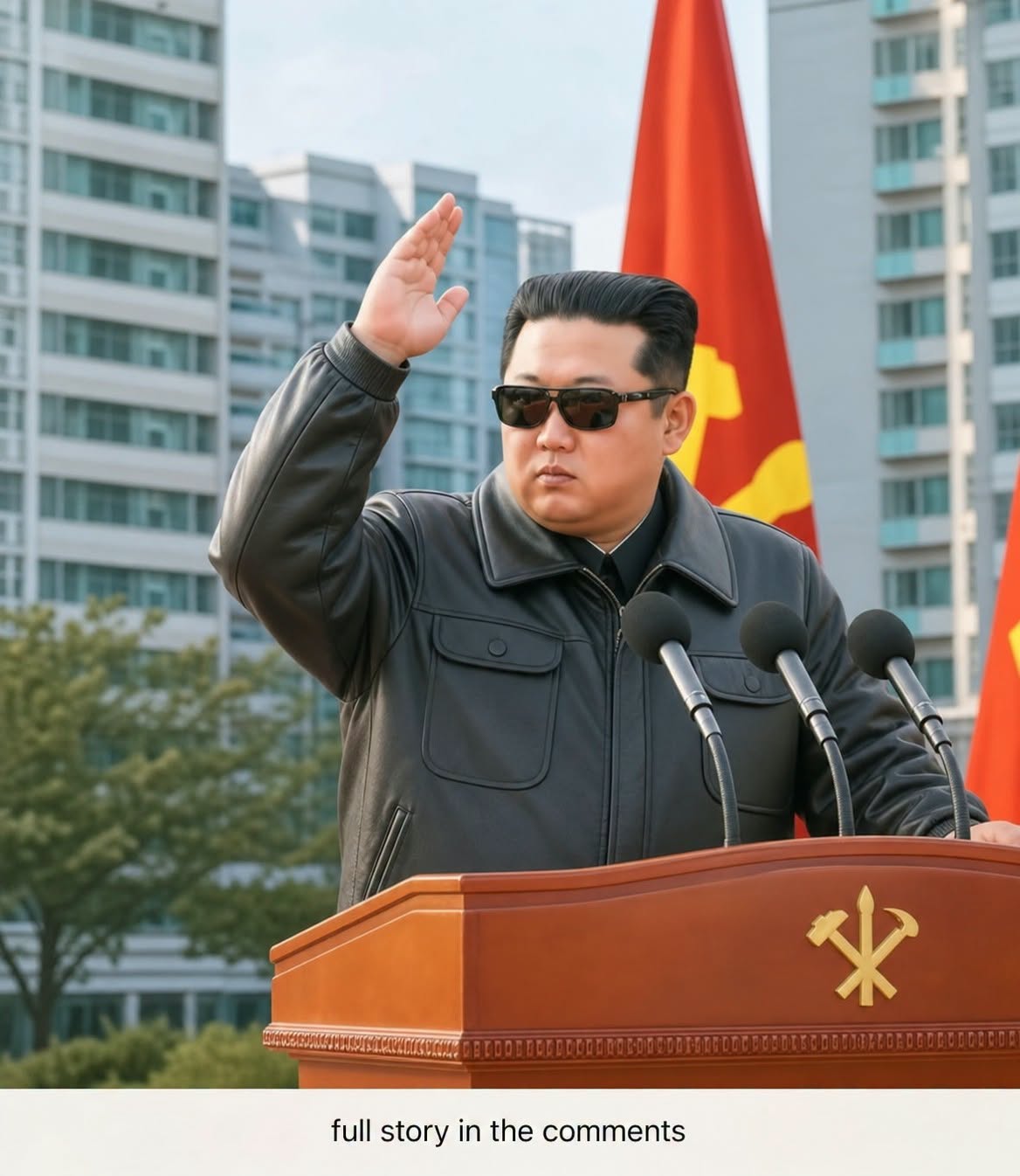
A dramatic claim that Korea had ordered a military strike spread through social media as breaking news, prompting fear and angry discussion. The account at the center of the clarification describes a rumor that gained attention without supplying the evidence needed to support its central allegation. Its message is about that claim, not a declaration that every report concerning the Korean peninsula is false.
The wording alone leaves important questions unanswered. Which government supposedly issued the order? When was it issued? Who announced it, and where can the announcement be read? A headline that omits those details can sound urgent while making its own meaning difficult to check. Readers may fill the gaps with their fears rather than with information.
Repeated appearances do not necessarily resolve those gaps. Several pages can repeat the same sentence, photograph, or short video while relying on a single unsupported post. The number of shares then creates the impression of corroboration, even though no new evidence has been added. Visibility and independent confirmation are not the same thing.
The source account rejects the reported strike order and describes it as a false alarm. It also refers to an official denial, but does not provide a dated statement or identify a spokesperson. That missing context matters when the post is encountered later. It should not be used to make broad claims about current military activity or to dismiss a separate, documented development.
Military reporting requires especially careful attention to language. An exercise, a warning, a change in readiness, and an order to attack describe different things. Removing the words that distinguish them can transform a limited announcement into something far more alarming. A short caption may also fail to distinguish a prediction from a decision that has actually been made.
Images can intensify that confusion. A photograph can be genuine without showing the event described beside it. Footage may come from an earlier date, another location, or a scheduled exercise. Its emotional impact does not establish the connection. The caption, date, source, and circumstances still need to match before the image can support the claim.
For people who encounter such reports, a useful first step is to find the original announcement rather than another repost. Look for a publication date, named officials, and reporting that explains what is known and what remains uncertain. If those details cannot be found, leaving the claim unshared is more responsible than adding another urgent caption to it.
False alarms also complicate the task of communicating genuine emergencies. When exaggerated warnings circulate repeatedly, some readers become frightened by every update while others begin ignoring them altogether. Both reactions make clear information harder to recognize. Corrections should therefore address the specific claim and preserve the context that the sensational version left out.
The lesson from this account is straightforward. A headline about an attack order needs more than confident wording and rapid circulation. It needs an identifiable event, a reliable source, and a clear timeline. Until those pieces are present, the strength of the language should not be mistaken for the strength of the evidence behind it.