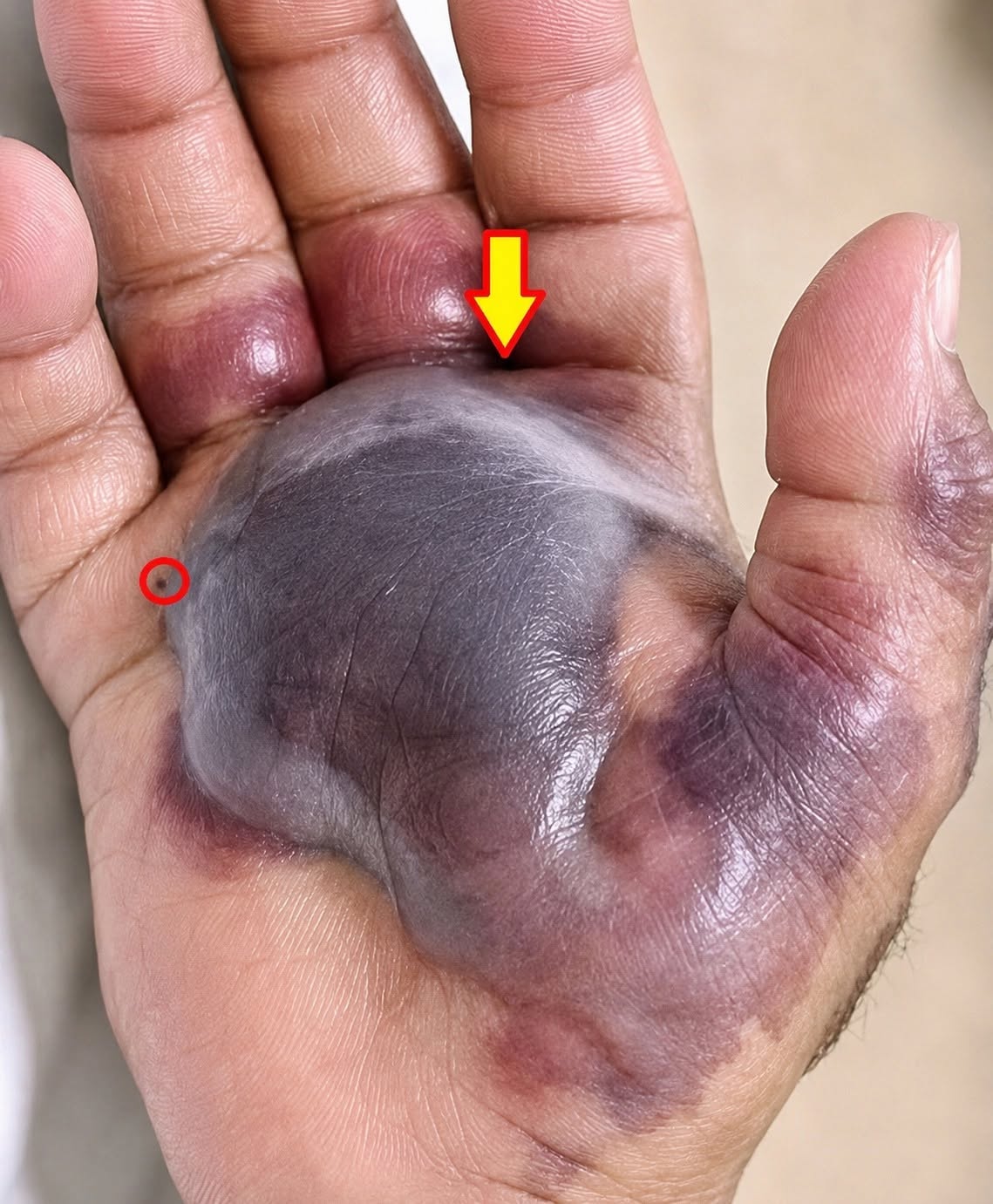
A change in your health does not need to be dramatic to deserve attention. You may notice that an ordinary activity takes more effort, that a discomfort keeps returning, or that something about your usual routine no longer feels normal. Noticing the difference is useful. Deciding what it means, however, takes more than matching a symptom to a photograph or a headline.
The first question is whether the change is new for you. A person’s usual energy, appetite, sleep, and comfort can vary, so comparing yourself with someone else’s experience is not always helpful. A pattern that persists, gets worse, or interferes with daily life is worth discussing with a healthcare professional, even when you cannot describe it with a medical term.
Start with plain details. When did you first notice the problem? Does it happen all the time or come and go? Does anything seem to bring it on or ease it? These observations can help make an appointment more useful. A brief note written when the symptom occurs is often easier to rely on than trying to reconstruct several weeks from memory.
Changes can have many possible explanations. Tiredness, discomfort, or an altered appetite does not point to one diagnosis by itself. Neither should an unfamiliar symptom be dismissed simply because it seems minor. The aim is not to choose the most alarming possibility. It is to give a clinician enough information to decide what needs attention and whether an examination or further testing is appropriate.
Some situations should not wait for a routine appointment. Severe trouble breathing, new severe chest pain, sudden inability to speak or move normally, or loss of consciousness may be signs of an emergency. Call the local emergency number for urgent help rather than spending time searching online for a precise explanation. When a person cannot respond, those nearby should follow the emergency dispatcher’s instructions.
For concerns that are not emergencies, prepare a short list of your main questions. Bring details of medicines, supplements, and recent changes that may be relevant. If you are worried that you will forget something, keep the list where you can see it during the conversation. You can also ask a trusted person to help remember the discussion if that would make the visit easier.
Before leaving, make sure you understand the next step. Ask when to expect improvement, what would justify another call, and how to follow up on any tests. If a problem continues after the first assessment, describe what has changed rather than assuming the earlier explanation must cover everything. Follow-up is part of understanding a symptom, not a sign that the first conversation was pointless.
Paying attention to health should make it easier to seek appropriate help, not turn every ordinary sensation into a source of fear. You do not need to diagnose yourself before contacting a professional. A clear description, a sensible record, and a willingness to ask questions are enough to begin. The most useful response to an early change is often calm attention followed by the right conversation.