Mara knew the officers had come for her before either of them stepped through the gate.
For eleven days, every car slowing outside the house had made her look up. Usually it was a neighbor bringing food or someone asking whether there had been news about her brother. This time, neither visitor carried anything. The older officer held his cap between his hands.
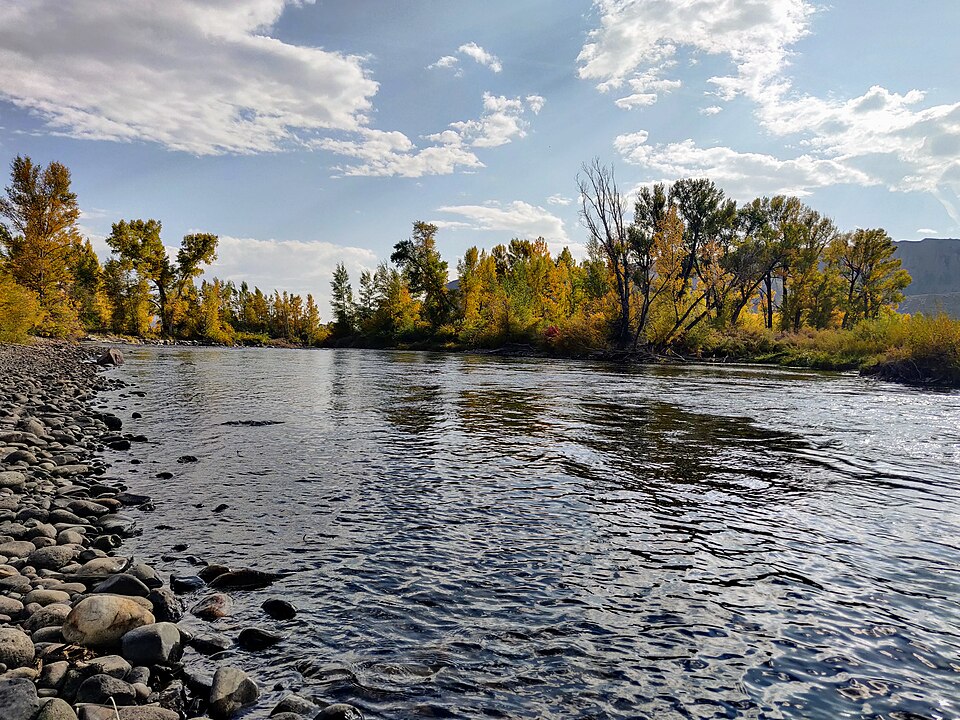
They had found a body near the river.
Mara heard herself asking whether they were certain. She had asked variations of that question since Daniel disappeared: certain he had taken the lower path, certain the search had covered the old crossing, certain nobody had seen him farther upstream. Uncertainty had exhausted her, but it had also left one narrow place for hope.
The officer asked if they could sit down.
Her mother was in the kitchen, drying the same plate she had been holding when the knock came. Mara called her name once. Then she went to take the plate from her hands.
The formal identification came later. Until then, the family waited together without turning on the television. Daniel’s coat still hung beside the back door. A shopping list in his handwriting remained beneath a magnet on the refrigerator. Bread. Coffee. Something for Mum.
When the confirmation arrived, Mara stared at that last line.
Their brother had become the person in the report, the person the search teams had been trying to find. Yet the words on the refrigerator belonged to the man who checked whether their mother had eaten, complained about the leaking tap, and always bought too much coffee because he hated running out.
Their mother asked Mara to call the volunteers.
She could not bear the thought of people still searching after dark when they no longer needed to. Mara worked through the numbers written on the back of an envelope. Each conversation was brief. People offered to come over. She thanked them and said the family needed a little time.
Near evening, Daniel’s closest friend arrived to collect the search maps. He stopped beside the kitchen table, unable to decide whether taking them away would look like giving up.
Mara folded the largest map herself.
“You helped us bring him home,” she said.
It was the first complete sentence she had managed without asking a question.
The days that followed were full of arrangements she had never expected to make. There were calls to return, clothes to choose, relatives to tell. Some people spoke too much because they were afraid of silence. Others simply sat beside her mother and let the room remain quiet.
Mara discovered that she preferred the second kind of company.
On the morning of the farewell, she found a small packet beside Daniel’s keys. Inside was the replacement washer he had bought for the kitchen tap. She sat on the floor and cried over something worth almost nothing.
A week later, his friend repaired the leak.
Nobody called it closure. The house was still missing a voice, and Mara still looked toward the gate when a car slowed outside. But the unanswered question that had held them motionless had finally changed.
They could no longer ask where Daniel was.
Now, painfully and together, they began learning how to keep him part of their lives without waiting for him to walk through the door.