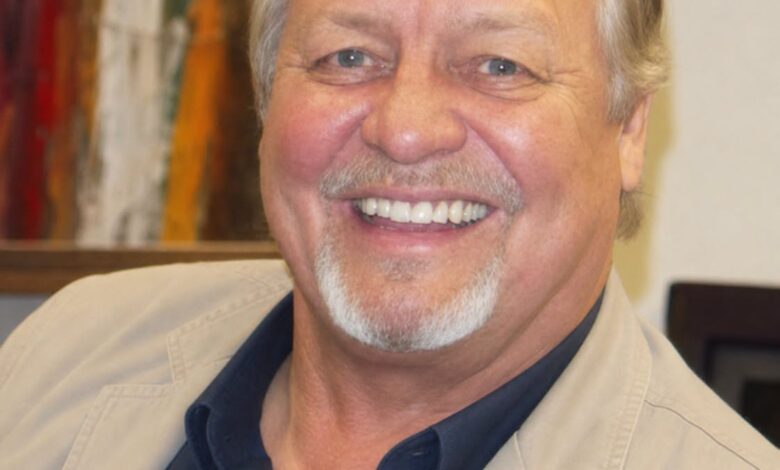
David Soul, the actor and singer best known as the calm, blond detective Ken Hutchinson on Starsky and Hutch, died at the age of 80 after what his wife described as a valiant battle for life. For millions of viewers, Soul remained permanently associated with the flashing lights, urgent streets, and close partnership at the center of the 1970s television hit. His death brought renewed attention to a career that extended far beyond one famous role.
As Hutch, Soul offered a steady counterbalance to the energy around him. The character’s composure, intelligence, and quiet authority made him a familiar presence in homes across America and far beyond it. The show’s success turned Soul into an international star, yet the performance endured because he made the detective feel human. Hutch was not simply a television archetype; he could be weary, conflicted, loyal, and vulnerable.
Soul refused to let that success become the boundary of his working life. He moved between television, film, music, and theater, continually seeking projects that asked something different of him. His screen work included appearances in productions such as Magnum Force, while his later stage career demonstrated a willingness to take creative risks. Even demanding and unconventional material, including Jerry Springer: The Opera, attracted his curiosity rather than his hesitation.
Music was equally important to his identity. Long before and after audiences knew him as Hutch, Soul treated singing as more than a celebrity side project. His recording career revealed another kind of storytelling voice, gentler and more exposed than the characters he played. The ability to move between a police drama, a film set, a concert, and a theatrical stage showed the breadth of an artist who never wanted to be preserved only in reruns.
That determination gave his career unusual longevity. Soul kept appearing, performing, and accepting work across decades in which popular culture changed dramatically. He did not reject the role that made him famous, but he also did not allow nostalgia to erase everything that followed. Each new project added dimension to a public image that could easily have remained frozen in the 1970s.
When his wife, Helen Snell, spoke about his death, her words were direct and deeply personal. She described his struggle without turning it into a performance and emphasized that he died surrounded by the people who loved him. The statement shifted attention away from ratings and celebrity toward the private courage of a man fighting to remain with his family. It also made clear that his final chapter belonged first to those closest to him.
For fans, the loss revived memories of a television partnership that helped define an era. Yet Soul’s legacy cannot be measured by one car, one badge, or one series. It includes the discipline required to keep working after sudden fame, the bravery to enter unfamiliar creative spaces, and the patience to build a life in several artistic forms. His career demonstrated that a performer can honor a beloved character without becoming trapped by it.
David Soul leaves behind work that continues to introduce him to new audiences. Some will first meet him as Hutch, while others may discover the singer, stage actor, or thoughtful character performer. Together, those roles form a richer portrait than any single obituary can provide. The familiar blond cop may remain the first image many people remember, but the artist behind him spent a lifetime proving there was always more to see.
His family’s farewell also invites viewers to remember the distance between a public image and a private life. The man celebrated on screen was a husband, relative, colleague, and friend whose final hours were shared with loved ones rather than an audience. That quiet ending does not lessen the energy of his career. It places it in perspective. Soul gave the public decades of characters and songs, while the people closest to him knew the determination, humor, and affection that continued after the cameras stopped.