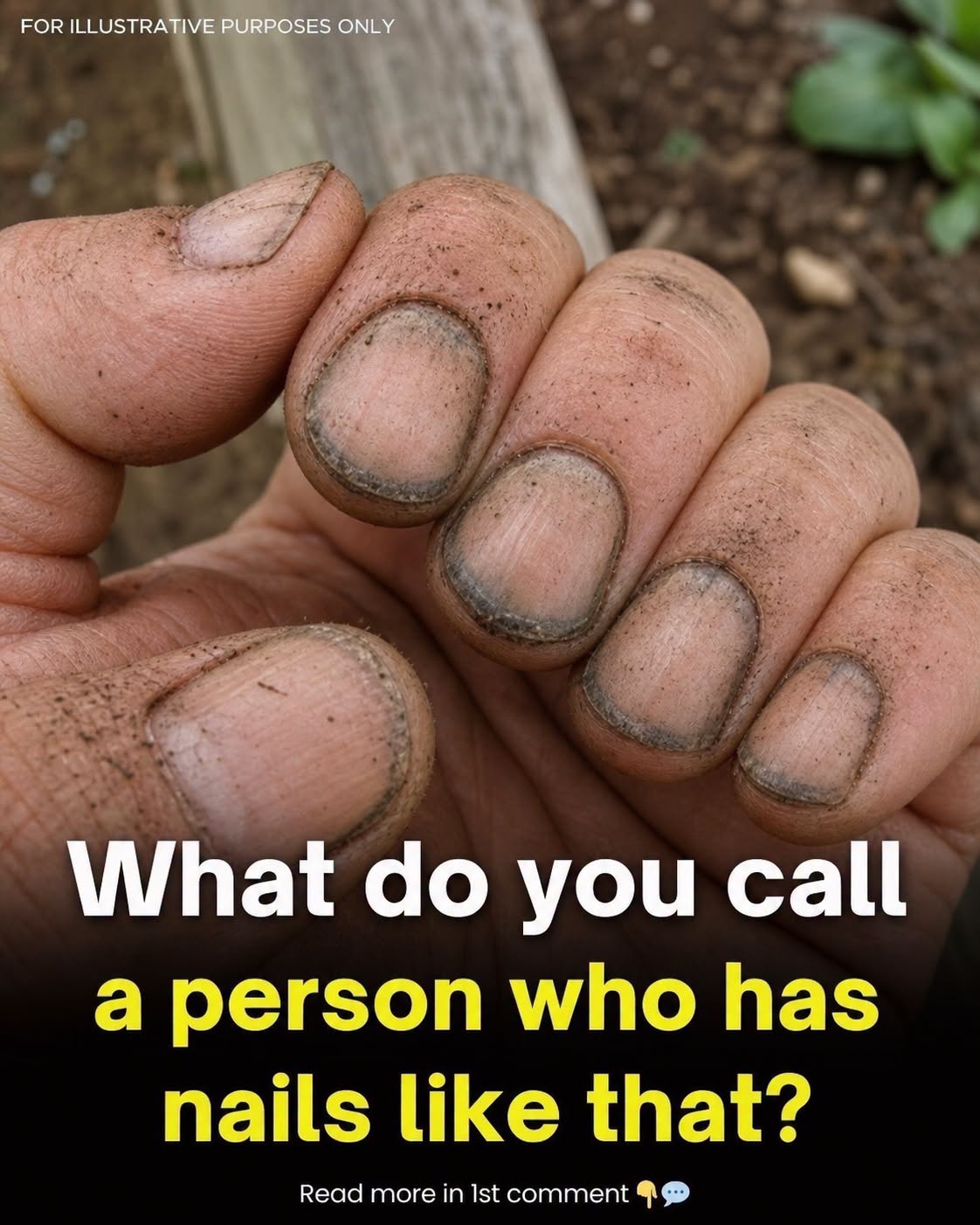
A glance at someone’s hands can lead to a judgment before a single word has been exchanged. Dirt beneath a nail, chipped polish, or rough skin may be read as evidence that a person is careless or lazy. Yet those details show very little of the life behind them. They tell us what the hands look like at that moment, not what their owner deserves.
Hands are involved in work that is often praised from a comfortable distance. Mechanics handle tools and machinery. Workers lift crates before other people begin their day. Others wash dishes, clean floors, or care for someone who cannot manage alone. The marks left by those tasks may remain visible long after the work itself has disappeared from view.
There is a contradiction in admiring hard work while looking down on its physical traces. A repaired vehicle is valued, a clean room is expected, and a delivery is welcomed. The person who makes those things possible may nevertheless be judged for hands that do not look polished. That reaction mistakes a surface impression for a complete understanding.
The same appearance can have many explanations. Someone may have come directly from a shift, finished a task at home, or spent the day looking after another person. Without knowing the circumstances, there is no reliable way to turn a stained fingernail into a statement about character. The missing context is often much larger than the detail that first attracted attention.
Access to time and comfortable facilities also matters. Hot water, suitable soap, and an uninterrupted opportunity to clean up may seem ordinary to one person while being harder to arrange for another. Exhaustion can narrow a day to its essentials. When responsibilities compete, a person may reach bedtime with visible traces of work still on their hands.
None of this means cleanliness has no value. It means cleanliness and moral worth are different questions. A practical concern about washing hands can be addressed without contempt, and an observation about appearance need not become an accusation. Treating someone respectfully does not require pretending that dirt is invisible; it requires refusing to make it the measure of the person.
Caregiving can be particularly easy to overlook because so much of it happens privately. The public sees a brief encounter, not the interrupted sleep or the tasks completed before it. A tired parent, a relative helping someone through a difficult day, or a worker finishing a demanding shift may carry a history that strangers never have the chance to see.
A polished manicure does not prove kindness, just as an unpolished hand does not prove its absence. Neither appearance can tell us whether someone is honest, generous, dependable, or struggling. Those qualities emerge through actions and relationships, not through a quick inspection at a counter or across a table.
The most useful response is therefore a little restraint. Before deciding what someone’s fingernails reveal, consider what remains unknown. Their work, resources, responsibilities, and recent day may all be outside the frame. Whatever the explanation for their appearance, their dignity should not depend on looking untouched by the life they are living.