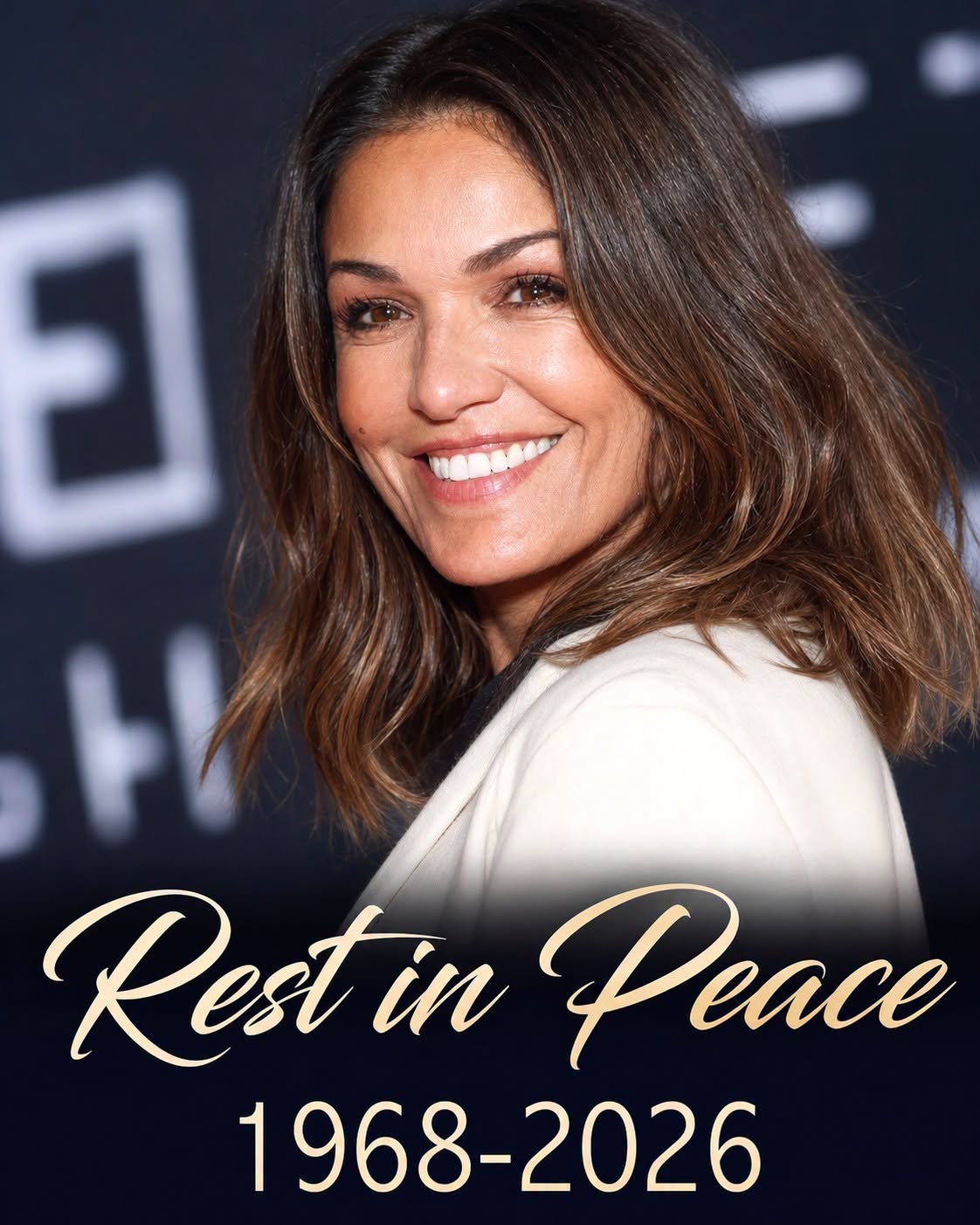
The death of actress and filmmaker Nadia Fares at the age of 57 has left colleagues and admirers mourning a performer whose career and private struggles extended far beyond the final circumstances reported in a headline. Fares was reportedly found unconscious in a swimming pool and could not be saved. News of her death spread quickly, accompanied by tributes to her work, resilience, and devotion to her daughters.
Fares built a public identity through acting, yet people close to her described a woman who carried significant difficulties away from the cameras. She had faced serious health problems and multiple surgeries, experiences that can reshape daily life even when a performer continues appearing composed in public. Friends remembered her ability to smile and work through periods when many people would have stepped back.
The reported discovery in the pool prompted understandable questions. An unexpected death requires authorities and medical professionals to establish what happened, and early accounts do not always provide a complete answer. The responsible approach is to distinguish what has been confirmed from speculation about a medical emergency, accident, or other cause. A dramatic setting should not become permission to invent details that investigators or the family have not released.
Her death is particularly painful for her daughters. Public discussion often reduces a celebrity to roles, photographs, or rumors, but a child loses a parent rather than a public figure. The family must manage grief while strangers seek explanations and old images circulate online. Respect means allowing relatives to decide what private information they wish to share and avoiding claims based only on an incomplete initial report.
Fares was also described as preparing to direct, suggesting that her creative ambitions were still developing. Moving behind the camera can give an experienced actor a new way to shape stories, guide performances, and bring personal ideas to the screen. An unfinished project now forms part of the loss. It represents not only work left incomplete but a future chapter that friends and collaborators expected to see.
Her career should be remembered as more than a final tragedy. Actors contribute through the characters they create, the colleagues they support, and the audiences who recognize parts of their own lives in a performance. The strongest tributes have focused on those relationships and on the determination Fares showed while continuing her work through difficult periods. That fuller memory resists the tendency to let the manner of death overshadow the life that preceded it.
Sudden deaths around water also serve as a reminder that swimming pools require caution, even for adults. Medical events, medication effects, fatigue, falls, and other problems can become more dangerous in or near water. Secure access, good lighting, non-slip surfaces, and avoiding solitary swimming when a person feels unwell can reduce risk. These general precautions do not explain Fares’s case and should not be treated as a diagnosis.
The entertainment community often responds to loss with clips, photographs, and personal stories. Those remembrances are most meaningful when they remain accurate. Reposting an unverified cause of death or describing private medical history without confirmation can harm the very family a tribute claims to support. Official statements and credible reporting should guide any account of the investigation.
Nadia Fares leaves behind daughters, friends, colleagues, performances, and creative plans. The image of a star found unconscious may attract immediate attention, but it is not the measure of her life. Her legacy belongs in the courage with which she faced hardship, the work she completed, and the people who knew her beyond the screen. Until authorities or relatives provide further information, grief and respect should take precedence over speculation.