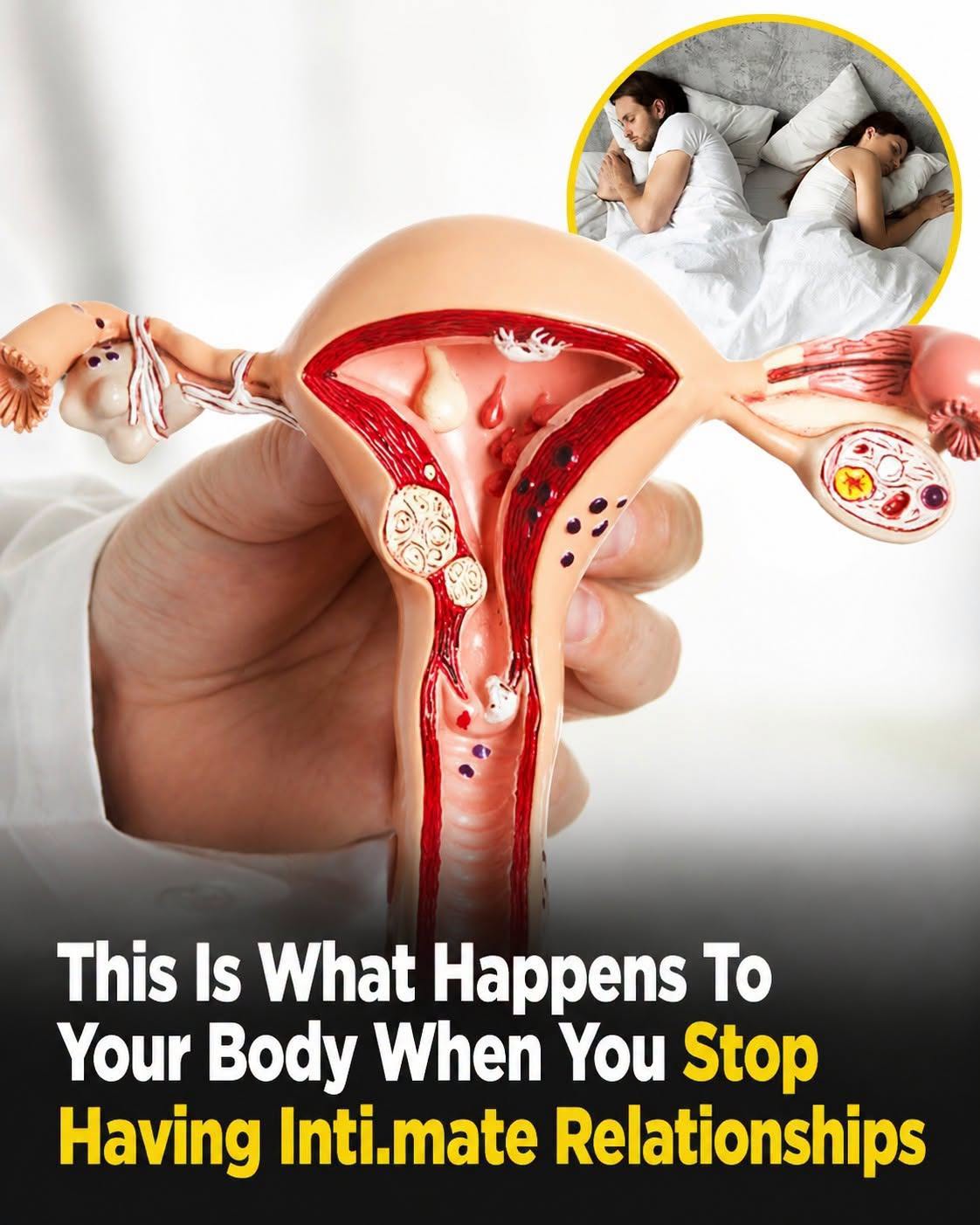
Going without sex for weeks, months, or longer is common, and the body does not become damaged simply because sexual activity stops. Desire changes across relationships, health conditions, stress levels, life stages, and personal choices. Some people notice differences during a period of abstinence, while others feel no meaningful physical change at all.
Mood is one area where experiences can differ. Consensual sexual activity can be pleasurable and may temporarily reduce tension through physical closeness, exercise, and the release of hormones and neurotransmitters. Someone who previously used intimacy as a way to relax may miss that effect. However, abstinence does not automatically cause anxiety or depression, and many other activities support emotional wellbeing, including exercise, sleep, friendship, therapy, and affectionate nonsexual contact.
Sleep may also feel different for some people. Orgasm can be followed by relaxation and drowsiness, partly associated with hormones such as oxytocin and prolactin. Losing a familiar bedtime routine might therefore be noticeable. There is no requirement to have sex in order to sleep normally, and persistent insomnia is more likely to benefit from consistent sleep habits and medical evaluation than from assumptions about sexual frequency.
Claims about immunity need careful interpretation. Some small studies have found associations between sexual activity and levels of particular immune markers, but that does not prove that abstinence meaningfully weakens the immune system or makes a person likely to become ill. Vaccination, nutrition, sleep, movement, underlying health, and exposure to infectious organisms have much clearer practical importance.
Heart-health research also often shows correlation rather than cause. People who are healthy enough for regular sexual activity may differ in age, fitness, partnership status, stress, and medical care from people who have sex less often. Sexual activity can count as moderate physical exertion, but it is not a substitute for recommended exercise, blood-pressure management, smoking cessation, or treatment of cardiovascular disease.
Libido can move in either direction. For some people, desire becomes quieter when sexual cues and opportunities are absent. Others notice that desire increases. Hormones, medication, sleep, mental health, relationship satisfaction, pain, body image, and cultural expectations can all shape libido. A change is not necessarily a problem unless it causes distress or accompanies other symptoms.
Genital responses can vary as well. Vaginal lubrication and comfort are influenced by arousal, hormones, menopause, medication, and health conditions, not simply by how recently someone had sex. Pelvic-floor strength depends on muscles and can be supported with appropriate exercises when needed. Pain, persistent dryness, bleeding, or urinary symptoms deserve professional evaluation rather than being blamed on abstinence.
For men, ejaculation frequency has been studied in relation to prostate health, but observational findings do not establish a simple rule that everyone must follow. Periods without ejaculation are not generally a medical emergency. New pain, swelling, urinary difficulty, blood in semen, or persistent erectile changes should be assessed by a clinician regardless of sexual frequency.
Relationship effects depend heavily on communication. When partners want different levels of intimacy, silence can create rejection, loneliness, or resentment. A respectful conversation about affection, stress, health, boundaries, and expectations is more useful than assuming one partner has lost interest. Intimacy can include touch, conversation, shared time, and emotional support as well as sex.
Abstinence also removes the immediate possibility of pregnancy and sexually transmitted infections from sexual contact during that period. When activity resumes, contraception, consent, testing, and barrier protection may still be relevant. A long pause does not provide permanent protection or eliminate the need for honest conversations with a partner.
The central fact is reassuring: there is no medically required frequency of sex. A healthy sexual life can involve frequent activity, occasional activity, or none, depending on the person. Changes in mood, sleep, desire, or relationships may occur, but they are individual and influenced by many factors. Anyone troubled by persistent symptoms can speak with a qualified healthcare professional without shame, while people who feel well do not need to treat abstinence as a condition that must be fixed.