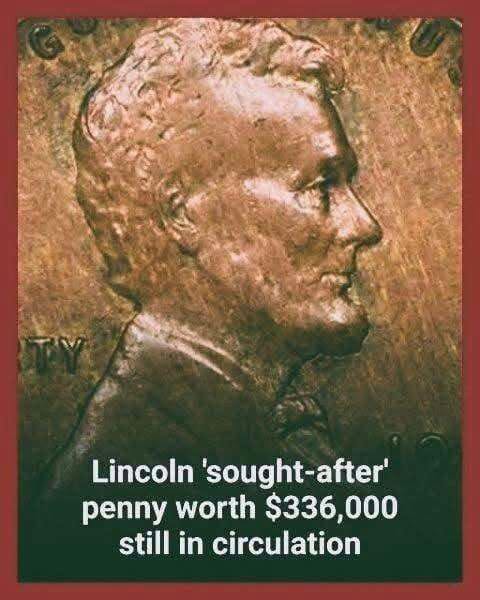
A common-looking Lincoln cent can sometimes carry an extraordinary history. One of the most famous examples is the rare 1943 bronze penny, a coin created accidentally during World War II. Authentic specimens have sold for enormous amounts, which is why collectors still examine old change and inherited coin jars hoping to find one.
The story begins with wartime demand for copper. In 1943, the United States needed the metal for military equipment and ammunition, so the Mint temporarily produced cents from zinc-coated steel. Those coins have a silver-gray appearance and are attracted to a magnet, making them noticeably different from the familiar brown copper pennies used before and after that year.
During the changeover, however, a small number of bronze blanks—known as planchets—apparently remained inside equipment at the minting facilities. When production began, those leftover blanks were fed into presses carrying 1943 dies. The resulting coins looked like ordinary bronze Lincoln cents but displayed a date that should have appeared only on steel pieces.
Only a limited number of genuine 1943 bronze cents are known. Examples have been associated with the Philadelphia, Denver, and San Francisco mints, with mint marks helping identify where particular pieces were struck. Their rarity, wartime connection, and accidental creation make them among the best-known error coins in American numismatics.
The large prices reported in headlines do not apply to every 1943 penny. Hundreds of millions of steel cents were made, and most have modest collector value depending on condition. A brown-colored coin dated 1943 also is not automatically genuine. Some steel cents have been copper-plated, while ordinary 1948 cents have been altered to make the final digit resemble a three.
A simple magnet test can provide an initial clue. A normal 1943 steel cent will usually stick to a magnet, while a bronze example will not. Weight is another important measurement: a genuine bronze cent should weigh close to the prewar bronze standard, around 3.11 grams, while a steel cent is lighter. Neither test alone proves authenticity.
Anyone who believes they found one should avoid cleaning, polishing, scratching, or chemically testing it. Cleaning can damage the surface and destroy collector value. The coin should be placed in a protective holder and evaluated by a reputable coin dealer or a recognized third-party grading service with expertise in authentication.
Professional examination is essential because valuable error coins attract counterfeits. Experts study the metal composition, weight, lettering, date shape, strike characteristics, and surface. They also compare the coin with confirmed examples. A seller’s claim or an online photograph cannot establish that a penny is worth hundreds of thousands of dollars.
The enduring appeal of the 1943 bronze cent comes from more than money. It is a physical reminder of a nation reorganizing its resources during war and of a small production mistake that survived decades. The odds of finding one are extremely low, but checking old change can still introduce people to coin collecting and American history.
Most jars will contain ordinary cents, not a six-figure treasure. Yet the possibility remains compelling because the known specimens originally entered circulation like normal coins. Somewhere, a rare piece may still be sitting unnoticed in an inherited collection. Careful identification—not wishful thinking—is what separates a fascinating penny from an authenticated historical rarity.
Collectors should also document where a suspected rarity came from. An old family collection, dealer envelope, or long-held coin roll can provide useful provenance, although history alone cannot prove authenticity. Photograph both sides before sending a coin anywhere, use insured shipping when appropriate, and research the grading service rather than trusting unsolicited buyers. Valuable-coin stories attract people who promise instant cash while minimizing the need for expert review. Patience protects both the object and its owner. Even when a 1943 cent proves to be steel or altered, learning the difference can be the beginning of a rewarding collection built on knowledge instead of sensational prices.