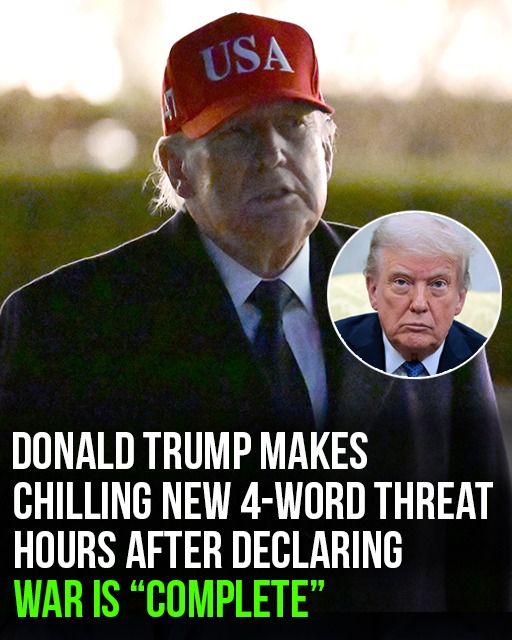
Relations between the United States and Iran have grown even more strained after U.S. President Donald Trump warned Tehran of severe consequences if it continues blocking traffic through the Strait of Hormuz, one of the most vital oil shipping routes in the world.
The warning followed Iran’s announcement that it had closed the strait to oil tankers, threatening to attack ships attempting to pass through the narrow passage.
One of the World’s Most Critical Oil Routes
The Strait of Hormuz serves as a major artery for global energy supplies. Large volumes of crude oil exported from Saudi Arabia, Iraq, Kuwait, and other Gulf nations pass through this narrow waterway each day.
Following Iran’s declaration, global energy markets reacted quickly. Reports cited by The Independent indicated that crude oil prices jumped above $110 per barrel, marking the highest level in more than three years.
Energy experts say that even a temporary disruption in this route could have serious consequences for global oil supply, shipping logistics, and international trade.
Trump’s Direct Message to Tehran
In response to Iran’s move, Trump posted a strongly worded message on his social media platform Truth Social on March 9.
He warned that any attempt to halt oil shipments through the strait would trigger an overwhelming military response from the United States.
Trump stated that if Iran interferes with oil traffic in the strategic waterway, the country could face retaliation “twenty times stronger” than previous attacks.
He also suggested that additional Iranian infrastructure could become targets if the situation escalates further, warning that the consequences could involve “death, fire, and fury.”
Trump also argued that reopening the strait would benefit major global economies, including China, which depends heavily on energy imports passing through the region.
Uncertainty Over the War’s Direction
Despite the escalating rhetoric, Trump suggested during a press briefing in Washington, D.C. that the conflict might be nearing a decisive phase.
He described the war as “very complete, pretty much,” although he stopped short of saying the fighting would immediately end.
When asked whether the conflict could conclude within days, Trump responded that it could happen “soon… very soon.”
However, when journalists pointed out that some U.S. defense officials believed the war might only be beginning, Trump offered a more ambiguous response.
He suggested that both views could be true, adding that the current operations could represent the early stages of building a new political future in the region.
Rising Casualties Raise Global Alarm
The conflict has already produced significant casualties.
Figures cited by The Guardian and The Independent estimate that around 1,245 Iranian civilians and up to 3,000 Iranian military personnel have died during the fighting.
Reports also indicate that seven American service members have been killed.
The growing number of casualties, combined with the strategic importance of the Strait of Hormuz, has increased international concern that the situation could spiral into a broader regional conflict.
A Crisis Still Unfolding
For now, the situation remains highly uncertain.
Whether the strait is reopened—or tensions escalate further—could shape both Middle Eastern stability and global energy markets in the weeks ahead.
Diplomatic negotiations, military decisions, and economic pressures will likely determine whether the conflict de-escalates or develops into a wider crisis.
The international community continues to watch closely as both Washington and Tehran weigh their next moves.
Leave a Reply