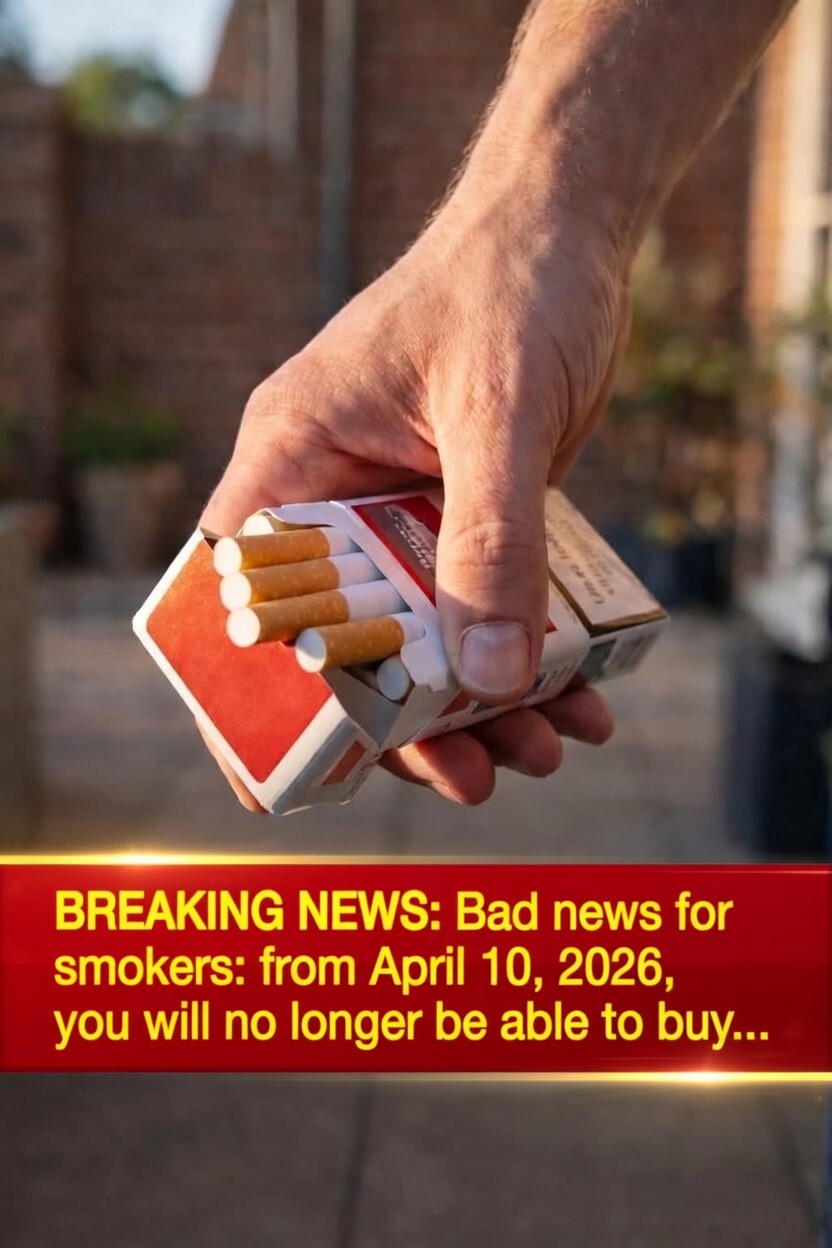
he cost of tobacco in France has climbed to a point where it is no longer a casual or routine purchase for many consumers. What once felt like a regular habit now demands more thought, as prices continue to move upward. While improving public health remains the official objective, the immediate effect is felt most strongly by those who still choose to buy cigarettes.
By 2026, the typical price of a pack has reached roughly €12.50 to €13, and cartons in some places exceed €300. Other tobacco products, including rolling tobacco, have experienced similar increases, with even smaller quantities becoming steadily more expensive. The change has taken place gradually, but its consistency has made it impossible to ignore.
These price increases are not accidental. In France, tobacco costs are heavily shaped by taxation, with the government determining a large part of the final retail price. In fact, taxes account for around three quarters—or sometimes even more—of the total cost. The reasoning behind this approach is straightforward: when tobacco becomes more financially difficult to obtain, overall consumption may decline over time.
Since 2023, the pricing system has also been linked to inflation. This means that prices rise automatically as the cost of living increases, rather than requiring a new policy decision each time. From a government standpoint, this creates a consistent and predictable framework. From the consumer’s perspective, however, it produces ongoing pressure that gradually builds rather than leveling off.
At the same time, rules regarding where smoking is allowed have expanded. Many public areas—including parks, beaches, and locations close to schools—are now subject to stricter regulations. These policies are not focused solely on individual habits but also aim to shape shared environments by limiting exposure to smoke and preserving cleaner public spaces.
However, the results are not the same for everyone. Differences in tobacco prices between France and nearby countries have encouraged some people to purchase cigarettes across borders. Others turn to informal or unregulated markets in search of cheaper options. These reactions do not necessarily undermine the policy itself, but they illustrate how individuals adapt differently depending on their circumstances.
As a result, the debate goes beyond the question of whether the policy is justified. It also concerns how effectively it functions in practice. The public health objective remains important, especially considering the long-term health consequences associated with smoking. Yet the financial burden created by these changes is not shared equally, and that reality continues to shape the conversation.
Ultimately, the strategy reflects a broader idea: influencing behavior through economic structure rather than direct instruction.
Whether that influence produces lasting change will depend not only on the policy—
but also on how individuals choose to respond to it over time.