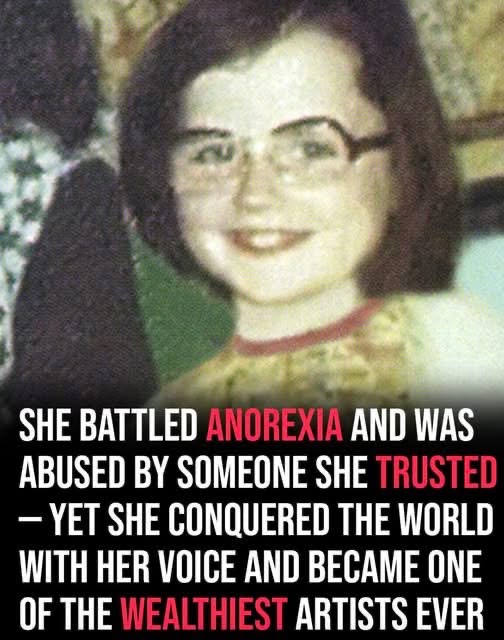
Dolores Mary Eileen O’Riordan was born on September 6, 1971, in the quiet countryside of Ballybricken, County Limerick, Ireland — a rural area characterized by rolling fields.
Small stone cottages, and a pace of life shaped by community, religion, and family. She was the youngest of nine children in a deeply devout Roman Catholic household.
Her name, Dolores, itself carried spiritual weight — a name given in devotion to Our Lady of the Seven Dolours, a title of the Virgin Mary that speaks to sorrow and compassion.
Life in the O’Riordan household was humble and often marked by hardship. Her father, Terence O’Riordan, had been left with permanent brain damage following a motorcycle accident long before Dolores was born, and her mother, Eileen, worked tirelessly to provide for her large family under difficult circumstances.
From an early age, music was both a refuge and a calling for young Dolores — a place where she could express what words alone could not capture.
In a home shaped by religious tradition, church services and choir singing were part of daily life, and it was in these sacred spaces that she first discovered her voice.
A Gifted Child with a Voice Beyond Her Years
By the time she was five years old, Dolores was already singing for older students at her school, showing a natural vocal confidence that far surpassed her age.
She later joined the church choir, took piano lessons, and immersed herself in every musical opportunity available — all while growing up in a family where resources were limited but faith was abundant.
Despite the supportive community at church and school, Dolores’s early life was not without profound challenge.
According to interviews she later gave, she endured childhood sexual abuse beginning around the age of eight and lasting several years — trauma that would leave deep emotional marks and influence her art for the rest of her life.
School friends sometimes found her unusual — quiet in some ways, intense in others — as if she carried her own inner world that few could see. Music became her outlet, her language for expressing emotions she could not yet articulate.
Leaving Home and Finding Her Voice
At the age of 18, Dolores made a bold and life‑altering decision: she left her home in Ballybricken and moved to Limerick to pursue her dreams — a choice that marked her first real step into the vast unknown.
While many of her peers remained nearby, following predictable paths, she chose uncertainty over safety — a decision that would change her life forever.
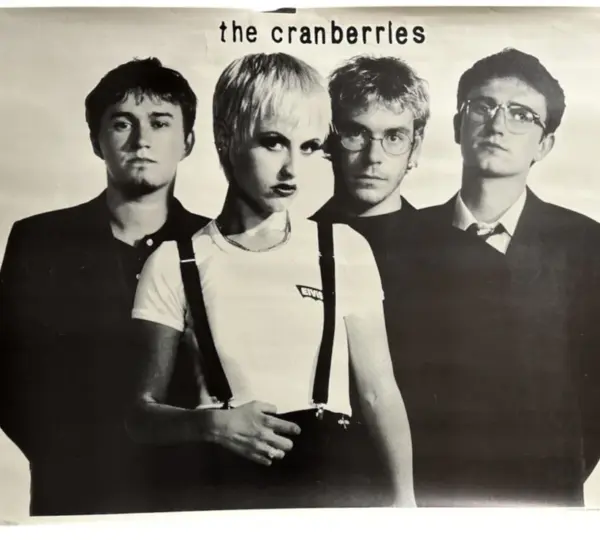
Her talent quickly drew attention on the local music scene. In 1990, she answered a call from a fledgling band originally known as The Cranberry Saw Us (soon shortened to The Cranberries).
During her audition, she impressed the band with the basis of the song “Linger,” and her unique vocal style — a blend of purity, Celtic lilt, and emotional rawness — instantly became the defining feature of the group’s sound.
Rapid Ascent with The Cranberries
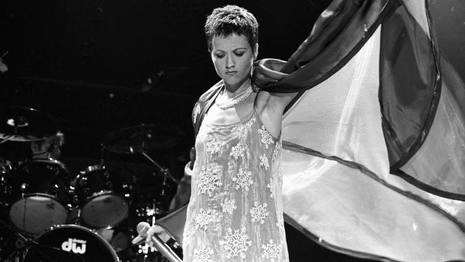
With Dolores at the helm as lead vocalist — her voice rich with both fragility and power — The Cranberries began touring local venues and recording demos that fused alternative rock with melodic, dreamlike melodies heavily influenced by folk and Irish musical sensibilities.
Their major breakthrough came in 1993 with their debut album Everybody Else Is Doing It, So Why Can’t We? — a record that quickly attracted international attention.
The singles “Dreams” and “Linger” introduced Dolores’s voice to the world: ethereal and emotional, capable of a soft, intimate whisper and a soaring, aching cry.
Suddenly, the world was listening. The band’s sound stood apart from much of the grunge and hard rock dominating the charts at the time, and Dolores’s unmistakable Irish inflection became a hallmark of their identity.
Their follow‑up album, No Need to Argue (1994), cemented their global success. Its lead single “Zombie”, a visceral and anthemic response to violence in Ireland, resonated across borders, earning both critical acclaim and commercial success, and turning the band into international stars.
Over the course of their career, The Cranberries went on to sell more than 40 million albums worldwide, making them one of Ireland’s most successful musical exports and one of the most influential bands of the 1990s alternative rock era.
Artistry, Vulnerability, and Inner Turmoil
Despite her musical triumphs, Dolores’s personal life was marked by long periods of inner struggle and emotional complexity.

The pressure of instant global fame, combined with unresolved childhood trauma, contributed to episodes of anxiety, depression, and self‑criticism throughout her life.
She openly discussed her battles with depression and an eating disorder, acknowledging that the internal pain she carried sometimes manifested through her music and other times through deeply private personal moments.
In 2015, after years of emotional turbulence, she was diagnosed with bipolar disorder, a condition she publicly acknowledged as offering insight into her mood swings and periods of intense creative energy followed by deep lows.
Music was more than a career for Dolores — it was therapeutic. She often explained that her songwriting was a means of processing her internal world: pain, loss, joy, love, and reflection poured into lyrics that millions of listeners found deeply relatable.
Love, Family, and Solo Artistic Paths
In 1994, at the peak of the band’s fame, Dolores married Don Burton, the tour manager for the band Duran Duran.
Together, they had three children — Taylor Baxter, Molly Leigh, and Dakota Rain — and family life became a grounding force in her world.
While The Cranberries remained central to her identity, Dolores also explored creative paths beyond the band. She released two solo albums— Are You Listening? in 2007 and No Baggage in 2009 — both of which showcased her songwriting depth and emotional range as an artist beyond the collective identity of the band.
She also collaborated with other musicians, including forming the band D.A.R.K., an experimental project blending alternative rock with electronic influences, revealing her willingness to push her artistic boundaries throughout her career.
Struggles in the Spotlight
Even with success and a fulfilling family life, Dolores continued to face intense personal challenges. She spoke candidly in interviews about how emotional pain and creative expression were inseparable in her life, often saying that she found it easier to write songs during difficult periods rather than times of ease.

In 2014, she experienced a very public moment of struggle when she was involved in an altercation aboard an airplane and later pled guilty to assaulting crew members — an incident linked to a period of severe emotional distress that followed her divorce and her father’s illness.
Despite the scrutiny, she continued to advocate for honesty about mental health, challenging stigma and showing fans that strength and vulnerability can coexist and that talking about pain does not diminish one’s worth.
Final Years and Sudden Loss
In the final years before her passing, Dolores had been working on music with The Cranberries and planning future performances. The band released the acoustic album Something Else in 2017, blending reimagined versions of classic hits with new material.
However, ongoing physical health challenges — including chronic back pain — forced her to cancel parts of the band’s tour that year, a disappointment for fans but also a reminder that even icons carry human limitations.
On January 15, 2018, Dolores O’Riordan was found unresponsive in her London hotel room at age 46. The official cause of death was ruled as accidental drowning due to alcohol intoxication, a tragic conclusion that shocked fans around the world.
Her sudden passing came at a moment when she was already sharing expressions of hope and anticipation for the future in social media posts just weeks earlier — a reminder of how deeply unpredictable life can be.
Legacy: Voice, Empathy, and Lasting Influence
While her life ended far too soon, Dolores O’Riordan’s legacy extends far beyond the years she lived. Her voice — unmistakable, emotional, and truly her own — remains one of the most recognizable sounds of 1990s rock music.

Her songs, particularly hits like “Linger,” “Dreams,” and “Zombie,” continue to be celebrated not just for their musicality but for the emotional honesty and raw feeling that only she could convey.
In recognition of her impact, she was honored posthumously with accolades such as the Ivor Novello International Achievement Award, and her music continues to be discovered by new generations of listeners around the world.
The final Cranberries album, In the End, released after her passing in 2019, features her last recorded vocals and serves as both a tribute and a beautiful closure to her storied career — a testament to her enduring artistry and the indelible mark she left on music.
A Voice That Comforts and Connects
Dolores O’Riordan didn’t hide her vulnerabilities; she embraced them, sang with them, and transformed them into something that resonated across languages, cultures, and generations.
Her legacy is not merely one of star‑making success, but of connection — the ability of music to hold sorrow and hope at once, to make listeners feel understood and seen.
Her story is not just one of fame and loss, but of courage, sincerity, and the relentless pursuit of expression.
From the small rural fields of Ballybricken to the world’s biggest stages, she carried her truth in every note she sang. Her voice remains. Her songs still heal. And her legacy lives quietly and powerfully where music meets the human heart