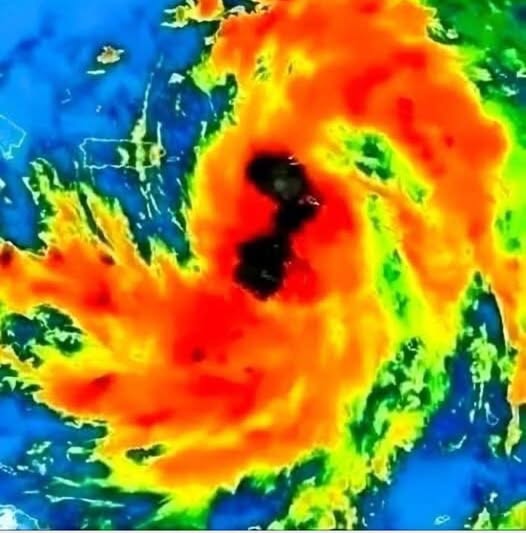
The natural world is currently staging a relentless and unprecedented display of power across the Caribbean and the Southeastern United States, weaving together a tapestry of geological, atmospheric, and tropical threats. This convergence of disasters has created a logistical and humanitarian labyrinth, marking one of the most volatile meteorological periods in modern memory. From the tectonic shifts beneath the sea to the high-altitude plumes of the Sahara, the region is caught in a multidimensional crisis that is testing the limits of human endurance and infrastructure.
The atmospheric chaos began with a subtle but unsettling reminder of the Earth’s physical instability. A significant earthquake struck near the coast of Trinidad, sending tremors through island communities already on edge from a hyper-active hurricane season. While the immediate structural damage was not catastrophic, the psychological toll was profound. In a region where the ground is supposed to be the only stable thing amidst the swirling winds of the Atlantic, the earthquake served as a grim prologue to the week’s escalating drama. It signaled a period of unrest that would soon migrate from the earth to the sky and the sea.
As the dust settled from the tremors, a far more visible and suffocating phenomenon began its trek across the ocean. A massive, dense plume of Saharan dust, carried by the trade winds from the African continent, has draped the Caribbean islands in a ghostly, sepia-toned haze. This is not a mere seasonal nuisance; the current concentration of particulate matter has plummeted air quality to hazardous levels. For those with chronic respiratory conditions, the air has become a silent adversary, forcing thousands to retreat indoors. The fine, abrasive sand has coated everything from solar panels to hospital entranceways, disrupting visibility to the point where regional aviation and maritime travel have been forced into a state of cautious paralysis.
While the islands struggle to breathe through the dust, Central America and parts of the Caribbean are simultaneously drowning. Relentless, torrential rainfall has triggered catastrophic flooding that has transformed vibrant neighborhoods into murky inland seas. In these regions, the water has moved with a speed and ferocity that left little room for preparation. Infrastructure—bridges, roads, and power grids—has been swept away, isolating entire villages from the reach of emergency services. Families have been seen clinging to the rooftops of their homes, waiting for rescue boats that are navigating through debris-strewn currents. These floods are not just a weather event; they are a profound humanitarian crisis, deepening the suffering of communities that were already grappling with economic fragility.
Adding a layer of kinetic danger to this tableau is the emergence of Tropical Storm Flossie. Moving across the Atlantic with a menacing trajectory, Flossie is the latest child of an exceptionally warm ocean. The sea surface temperatures in the Caribbean and the Gulf of Mexico currently resemble a thermal battery, providing the high-octane fuel necessary for rapid intensification. Meteorologists are watching the satellite imagery with mounting concern as the storm begins to organize its convection and tighten its core. The current forecasts are grim, predicting a path that could bring Flossie directly into the crosshairs of the U.S. Southeast and the already-battered islands. The potential for life-threatening storm surges, wind speeds exceeding hurricane force, and further catastrophic rainfall is no longer a theoretical exercise—it is an imminent reality.
The true gravity of the current situation lies not in any single event, but in the lethal synergy created by their overlap. This is the phenomenon of “cascading risks.” When a tropical storm hits an area already saturated by weeks of flooding, the soil loses its ability to hold the roots of trees or the foundations of buildings, leading to inevitable landslides. When a hospital is already overflowing with patients suffering from dust-induced asthma, it loses the capacity to manage the influx of trauma victims from a hurricane. Emergency services, usually designed to handle one major crisis at a time, find themselves stretched across multiple fronts, their resources thinned to the point of transparency.
In the Southeastern United States, the mood is one of tense preparation. Coastal residents, who have lived through generations of hurricanes, recognize that this particular week is different. The uncertainty of Tropical Storm Flossie’s final land-fall location, combined with the erratic behavior of the current atmospheric pressure systems, has made traditional modeling difficult. Governments and local municipalities have moved beyond simple warnings into active mobilization. Sandbags are being filled, evacuation routes are being mapped, and utility crews are being pre-positioned. However, there is a quiet acknowledgment that if the storm reaches its full potential, no amount of preparation can fully shield the region from its impact.
The human element of this story is found in the weary faces of the first responders and the quiet resilience of the affected citizens. In the Caribbean, neighbors have formed makeshift rescue teams, using personal fishing boats to reach those stranded by floodwaters. In the U.S., community centers have become hubs of information and supply distribution. There is a profound sense of shared destiny in these moments; the dust that irritates a throat in Barbados is part of the same global weather system that will eventually push a storm surge into a living room in Florida.
Communication networks are currently under immense strain as millions of people attempt to stay informed while checking on the safety of loved ones. Digital platforms have become essential lifelines, yet they are also vulnerable to the very power outages and infrastructure damage the storms bring. The reliance on real-time data has never been higher, yet the physical reality of the weather often makes that data impossible to transmit. It is a paradox of the modern age: we have more information than ever about the disasters coming for us, yet we remain as vulnerable as our ancestors to the sheer, unbridled force of the elements.
As the week progresses, the regional focus remains on vigilance. The advice from officials is consistent but urgent: secure your homes, protect your respiratory health from the Saharan plume, and be ready to move at a moment’s notice if evacuation orders are issued. The intersection of an earthquake, a dust storm, massive flooding, and a developing tropical system is a “black swan” event for meteorology—a rare and complex alignment of hazards that demands a new level of community cooperation and government response.
The days ahead will likely define the resilience of the Caribbean and the American South for years to come. The scars left by these combined forces will be visible in the landscape and the architecture, but they will also be etched into the memory of those who lived through it. For now, the region waits under a hazy, dust-filled sky, watching the horizon where the winds of Flossie are beginning to gather, hoping for the best but preparing for a trial that has only just begun. The focus is no longer on individual survival, but on the collective ability to weather a storm that is coming from every direction at once.
Leave a Reply