High blood sugar is a master of disguise. In the medical community, it is often referred to as a “silent” threat because it does not usually announce its arrival with fanfare or dramatic flair. Instead, it creeps into a person’s life through a series of subtle, easily dismissed shifts—a bit of extra fatigue after lunch, a slightly dryer mouth than usual, or a sense of aging that seems to be progressing just a little too quickly. Because these symptoms are so easy to attribute to the general wear and tear of modern life, many people remain unaware that their internal chemistry is shifting toward a dangerous imbalance. However, when glucose levels remain chronically elevated, the “silent” issue eventually becomes a loud, systemic crisis. Understanding the biological mechanics of diabetes, identifying the specific demographics most at risk, and learning to spot the early warning signs of hyperglycemia are essential steps in reclaiming your long-term health.
To understand the danger of high blood sugar, one must first understand the fundamental role of glucose in the human body. Glucose is the primary fuel source for our cells, derived from the carbohydrates, proteins, and fats in the food we eat. For this fuel to reach the cells where it is needed, it must be transported out of the bloodstream. This process is managed by the pancreas, which secretes a vital hormone known as insulin. Think of insulin as a molecular key; it travels through the blood, docks at the cell’s “locks,” and opens the door so glucose can enter and be converted into energy.
When a person develops diabetes, this lock-and-key system fails in one of two ways. In Type 1 diabetes, which is an autoimmune condition, the body’s own immune system attacks the pancreas, leaving it unable to produce any insulin. In Type 2 diabetes, which is far more common and often linked to lifestyle and genetics, the body’s cells become “insulin resistant.” The keys are there, but the locks have become jammed or unresponsive. In both scenarios, the result is the same: glucose cannot leave the bloodstream. It begins to accumulate, turning the blood into a thick, syrupy environment that eventually damages the delicate lining of the blood vessels, nerves, and organs. Over time, this “sugar-coated” circulatory system leads to heart disease, kidney failure, permanent nerve damage, and vision loss.
While diabetes does not discriminate based on background, the medical data from 2026 confirms that certain individuals are standing on much thinner ice than others. The first major risk factor is age. For adults over the age of 40, the body’s metabolic efficiency naturally begins to decline. As muscle mass often decreases and physical activity levels drop, the body becomes less effective at processing sugar. This is exacerbated by changes in body composition, specifically the accumulation of visceral fat.
Being overweight or obese remains the most significant preventable risk factor for Type 2 diabetes. Specifically, fat stored around the abdominal area acts as its own endocrine organ, secreting inflammatory chemicals that directly interfere with insulin sensitivity. This creates a vicious cycle: the more insulin resistant you become, the harder it is for your body to burn fat, leading to further weight gain and higher blood sugar levels.
Genetics also play a significant role. If you have a parent or sibling with the condition, your biological “blueprint” may already be inclined toward insulin resistance. However, genetics are not destiny; they simply mean your “margin for error” regarding diet and exercise is narrower than others. This is compounded by the modern sedentary lifestyle. The human body was designed for movement, but the 2020s have cemented a culture of desk-based work and long periods of sitting. This lack of movement impairs the body’s ability to regulate glucose in real-time, as muscles are the primary consumers of blood sugar during activity.
Other specialized risk factors include a history of gestational diabetes—where the stress of pregnancy temporarily unmasks a metabolic vulnerability—and conditions like Polycystic Ovary Syndrome (PCOS), which is deeply intertwined with insulin resistance. Furthermore, the modern epidemic of chronic stress and poor sleep cannot be ignored. When you are sleep-deprived or chronically stressed, your body produces cortisol and adrenaline. These “fight or flight” hormones are designed to dump extra sugar into the bloodstream for quick energy. If you are stressed every day but never actually “fighting or fleeing,” that sugar just sits in your veins, slowly contributing to a diabetic state.
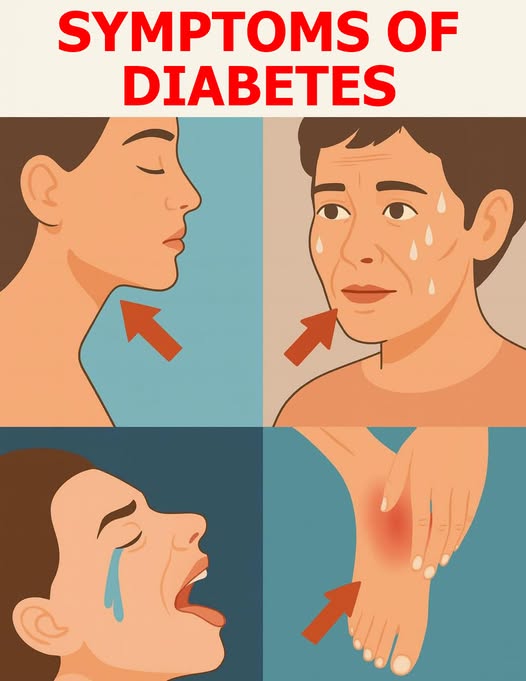
Because the symptoms of high blood sugar, or hyperglycemia, are so gradual, they require a high degree of body literacy to identify. One of the earliest signs is polyuria, or frequent urination. When the kidneys can no longer filter the excess sugar in the blood, they try to flush it out through urine, which pulls extra water from your tissues. This leads to polydipsia—an unquenchable, persistent thirst and dry mouth that no amount of water seems to satisfy.
Fatigue is another major indicator. It seems counterintuitive—if you have high blood sugar, shouldn’t you have plenty of energy? In reality, the opposite is true. Because the sugar is stuck in the blood and cannot get into the cells, your body is effectively starving in a land of plenty. Your cells are desperate for fuel, leaving you feeling weak, drained, and mentally foggy despite eating regular meals.
As the condition progresses, you may notice more physical manifestations. Blurred vision occurs when high sugar levels cause the lenses of the eyes to swell, changing their shape and focus. You might notice that a small scratch on your leg takes weeks to heal, or that you are suddenly prone to recurrent skin or urinary tract infections. This happens because high sugar levels weaken the immune response and provide a fertile breeding ground for bacteria and yeast. In more advanced or sudden cases, particularly in Type 1 diabetes, you may experience unexplained weight loss as the body begins to burn its own fat and muscle for energy because it cannot access the glucose in the blood.
The importance of early awareness cannot be overstated. We live in an era where Type 2 diabetes can often be managed, and sometimes even put into remission, through aggressive lifestyle interventions—but only if caught early. Routine screenings are the only definitive way to know your status, especially if you fall into any of the high-risk categories mentioned above. Waiting for the symptoms to become “obvious” often means waiting until permanent damage has already occurred to the kidneys or the cardiovascular system.
Proactive health management in 2026 involves a multi-pronged approach. It starts with balanced nutrition—focusing on whole foods that have a low glycemic impact to prevent sharp sugar spikes. It continues with consistent physical activity, particularly resistance training, which builds the muscle tissue that acts as a “sponge” for excess glucose. Weight management, restorative sleep, and intentional stress reduction are not just “wellness” buzzwords; they are clinical necessities for hormonal balance.
Ultimately, recognizing the signs of high blood sugar is an act of empowerment. It is about refusing to let a silent issue dictate the quality of your future. By paying attention to the subtle whispers of your body today, you can avoid the much louder, much more painful complications of tomorrow. If you find yourself checking off multiple risk factors or noticing even a few of the symptoms described, the most important next step is to consult a healthcare professional for a simple A1C or fasting glucose test. Knowledge is the only tool that can silence the silent threat of diabetes.
Leave a Reply