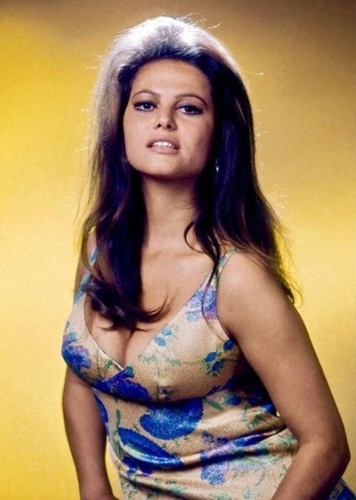
For more than six decades, Claudia Cardinale has stood as one of the most enduring and admired figures in international cinema.
Celebrated for her striking screen presence, emotional intelligence, and remarkable resilience, she emerged during the golden age of European film and went on to build a career that crossed continents and generations.
While audiences often remember her as one of the great beauties of 1960s cinema, her journey to global recognition was shaped by personal hardship, professional determination, and a refusal to surrender her identity to the pressures of fame.
Early Life in Tunisia
Claudia Cardinale was born Claude Joséphine Rose Cardinale on April 15, 1938, in Tunis, Tunisia, which was then under French protectorate rule.
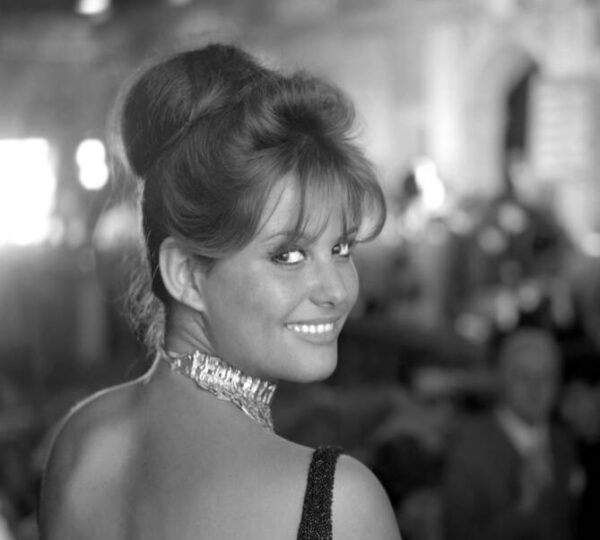
Unlike many future stars, Cardinale did not initially dream of becoming an actress. As a young woman, she was studying to become a teacher.
Her life changed unexpectedly in 1957 when she was attending and helping organize an Italian film festival in Tunisia.
During the event, she was encouraged—reportedly pushed by friends—to appear on stage, where she was crowned “Most Beautiful Italian Girl in Tunisia.” The prize included a trip to the prestigious Venice Film Festival.
That trip proved pivotal. Film producers quickly noticed her natural charisma and photogenic presence. Offers began to arrive, but Cardinale was hesitant. She had not planned a career in film and felt unprepared for the attention that followed.
A Personal Trauma and a Difficult Beginning
Behind the scenes, Cardinale was facing a deeply personal crisis. As she later revealed publicly, she became pregnant as a teenager following a violent sexual assault by an older man.
The trauma was profound, and at the time, social attitudes toward unwed motherhood were harsh and judgmental.
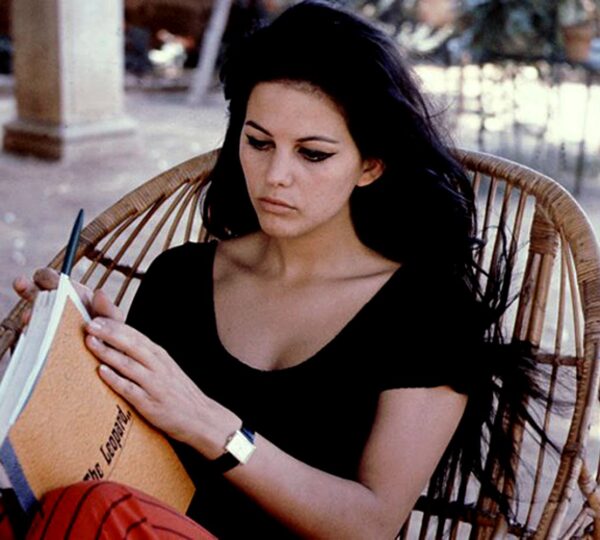
Rather than stepping away from public life entirely, Cardinale made the courageous decision to carry the pregnancy to term. In 1958, she gave birth to her son, Patrick.
For many years, however, his true parentage was concealed from the public. The official story presented to the press was that Patrick was her younger brother.
This secrecy was largely orchestrated by film producer Franco Cristaldi, who became her manager and later her husband. Cristaldi played a significant role in launching her career, but their professional and personal relationship was also marked by control.
He carefully managed her public image, structured her film contracts, and worked to protect her from scandal in an industry that often punished actresses for perceived imperfections.
Cristaldi’s guidance helped establish her career, but Cardinale has spoken openly about the restrictive nature of that period. She was shaped into a star who embodied both allure and respectability, carefully avoiding controversy.
Despite comparisons to other European sex symbols of the era, she maintained a firm boundary: she refused to appear nude on screen. This decision distinguished her from several contemporaries and reinforced her commitment to preserving personal dignity.
The Rise of a European Star
Cardinale’s early roles in Italian cinema quickly demonstrated that she was more than a beauty queen turned actress. She began appearing in films in the late 1950s, including “Three Strangers in Rome” (1958), which introduced her to a wider Italian audience.
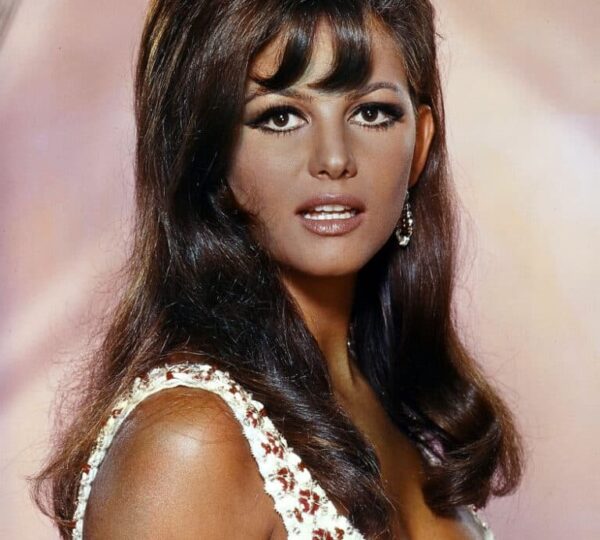
Her breakthrough came in the early 1960s when she began collaborating with some of the most influential directors in European cinema. In 1963 alone, she starred in two landmark films that solidified her reputation.
First, she appeared in 8½, directed by Federico Fellini. The film, widely regarded as one of the greatest in cinema history, starred Marcello Mastroianni and explored themes of creativity, memory, and artistic crisis.
Cardinale played an idealized woman who represents purity and inspiration within the protagonist’s imagination. Although her role was not extensive in dialogue, her presence was symbolic and powerful.
That same year, she starred in The Leopard, directed by Luchino Visconti and co-starring Burt Lancaster and Alain Delon. Set during the unification of Italy, the film is considered a masterpiece of historical drama.
Cardinale’s portrayal of Angelica, a young woman whose beauty and social ambition reflect the shifting power structures of the era, earned critical acclaim. She balanced sensuality with intelligence, creating a character both alluring and grounded.
These films established her as a leading figure in European art cinema. Unlike many actresses of the period who were confined to decorative roles, Cardinale frequently portrayed women with emotional depth and inner strength.
Crossing into Hollywood
By the mid-1960s, Cardinale’s reputation had crossed the Atlantic. She began appearing in English-language productions and working with major Hollywood stars.
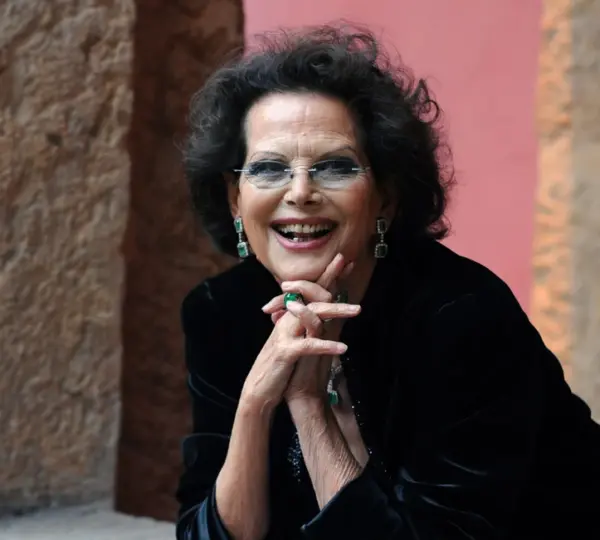
In 1963, she starred in The Pink Panther alongside David Niven and Peter Sellers. The film became a commercial success and introduced her to a global audience.
Unlike the exaggerated comedic performances around her, Cardinale brought elegance and subtle humor to her role.
She later appeared in “Circus World” (1964), acting opposite John Wayne and Rita Hayworth, further demonstrating her versatility in large-scale productions.
One of her most celebrated performances came in Once Upon a Time in the West, directed by Sergio Leone. In this epic Western, she portrayed Jill McBain, a former sex worker who arrives in the American frontier seeking a new life.
The character is central to the film’s narrative, and Cardinale’s performance captured resilience, vulnerability, and quiet determination. The role remains one of the defining portrayals of women in the Western genre.
Despite her Hollywood success, Cardinale never fully embraced the studio system. She continued to divide her time between American and European projects, choosing roles based on artistic merit rather than purely commercial appeal. Her independence allowed her to avoid being typecast or overly commercialized.
Comparisons and Personal Philosophy
Throughout her career, Cardinale was frequently compared to Brigitte Bardot, particularly after they co-starred in The Legend of Frenchie King. While Bardot became known for openly embracing sexual liberation on screen, Cardinale cultivated a different image.
She once remarked that leaving room for imagination was more powerful than explicit display. This philosophy guided her career decisions.
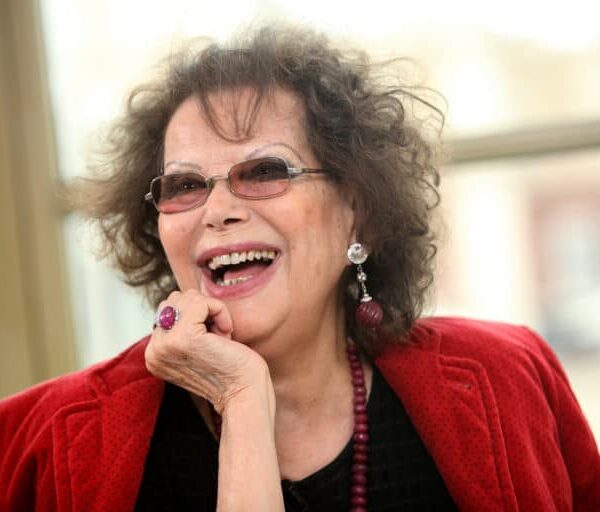
She rejected roles that required nudity or excessive objectification, maintaining control over her image at a time when many actresses had limited agency.
Her approach allowed her to be viewed not only as a symbol of beauty but as a serious performer capable of nuanced roles.
Personal Life and Later Years
Cardinale’s marriage to Franco Cristaldi ended in 1975. That same year, she met Italian director Pasquale Squitieri.
The two formed a long-term partnership and had a daughter together, also named Claudia. Cardinale remained with Squitieri until his death in 2017.
In time, the truth about her son Patrick’s parentage became public. Acknowledging him openly as her child marked an important emotional milestone. By confronting the past, she reclaimed her personal narrative from decades of silence.
In 2017, Cardinale spoke candidly about the assault she endured as a teenager. Rather than allowing the trauma to define her as a victim, she emphasized her decision to move forward and build a life for herself and her son. Her reflections were not sensational but measured, focusing on resilience and gratitude for her family.
Advocacy and Public Engagement
Beyond film, Cardinale has devoted energy to humanitarian work. She has served as a goodwill ambassador for UNESCO, advocating for women’s rights and cultural preservation. Her advocacy reflects her belief in dignity, education, and equality.
In recent years, false rumors circulated online suggesting she had been hospitalized or was in declining health. In 2022, Cardinale publicly dismissed these claims, stating that she was living peacefully in France with her family and in good health.
Now in her late eighties, she remains a respected voice in cinema and cultural circles. While she appears less frequently on screen, retrospectives of her films continue to draw admiration from new generations of viewers.
A Lasting Legacy
Claudia Cardinale’s career cannot be reduced to glamour alone. She worked with some of the greatest directors of the twentieth century, appeared in films that shaped cinematic history, and navigated an industry often unkind to women who sought autonomy.
Her story is one of transformation: from a young student in Tunisia with no intention of acting, to a global film icon who stood alongside legends of European and American cinema.
It is also a story of personal endurance. She faced trauma, secrecy, and public scrutiny, yet preserved her sense of self.
By refusing to compromise her values, she carved out a career defined not only by beauty but by substance. Her performances continue to resonate because they combine emotional depth with quiet strength.
Today, Claudia Cardinale stands as a symbol of resilience and artistic integrity. Her life reminds us that behind the glamour of classic cinema are real human stories—stories of survival, courage, and unwavering dignity.
Through talent, determination, and self-respect, she became not only one of the most recognizable faces of her era but also one of its most respected voices.
Leave a Reply