Share
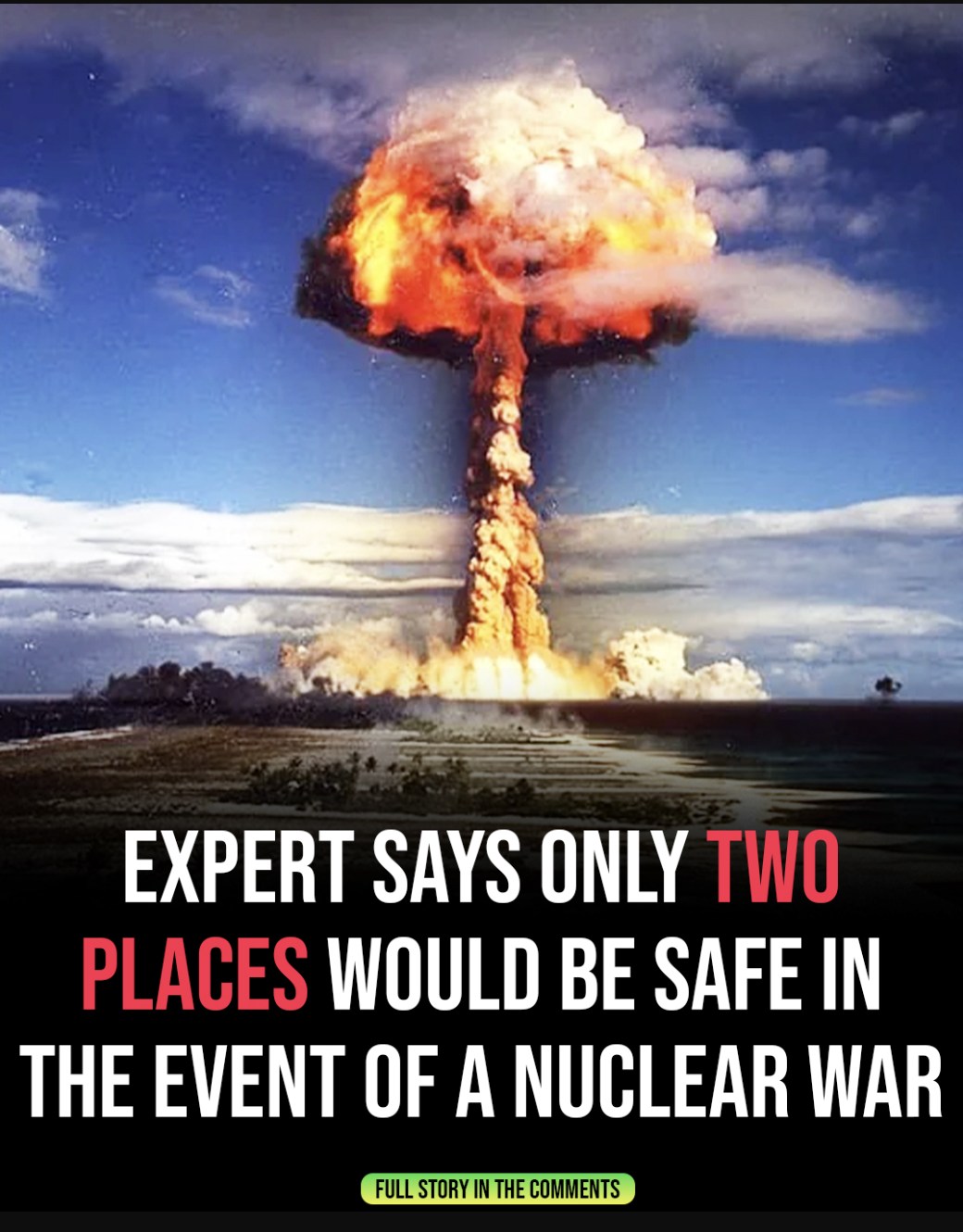
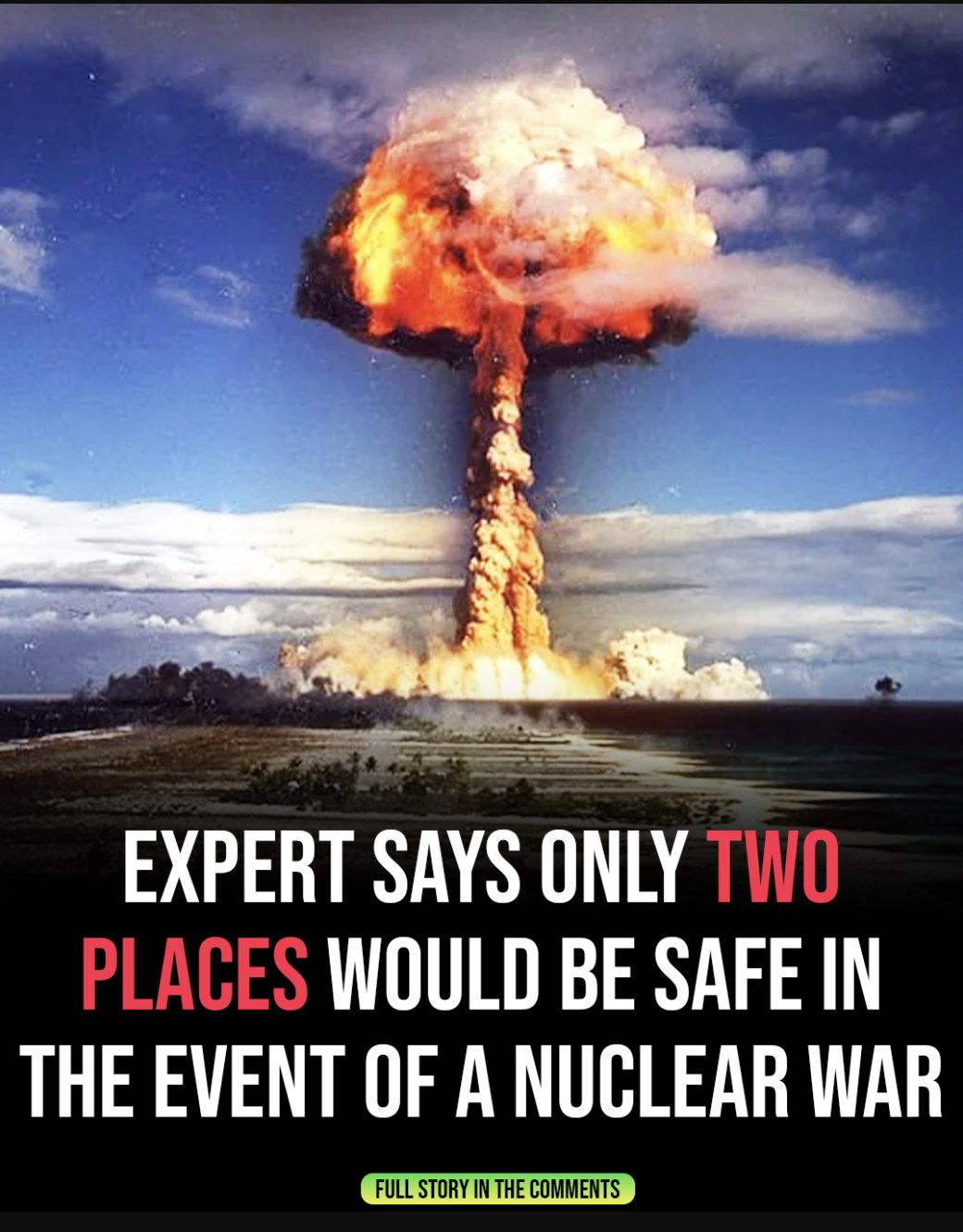
As tensions rise following reported U.S. and Israeli airstrikes on Iran, many Americans have begun asking a difficult question: if global conflict were to escalate dramatically, where would risk be lower within the United States?
Security experts are careful in their response. In a full-scale nuclear conflict, no place would be untouched. But geography, population density, and proximity to strategic military infrastructure would heavily influence exposure.
Why Location Matters
Modern military strategy tends to focus first on strategic assets — nuclear missile fields, major air bases, naval facilities, and command centers. States that host intercontinental ballistic missile (ICBM) silos or other key defense infrastructure would likely be high-priority targets in an extreme scenario.
Much of the country’s land-based nuclear infrastructure is concentrated in parts of Montana, North Dakota, Nebraska, Wyoming, and Colorado. Because of this, analysts often consider these regions particularly vulnerable in worst-case modeling.
Radiation exposure in such scenarios is measured in grays (Gy), a unit used to calculate ionizing radiation. High doses can be fatal without rapid medical intervention. These technical realities are sobering, but they are part of how experts evaluate risk — not predictions of inevitability.
States Often Described as Lower Immediate Target Risk
Some modeling referenced in media outlets suggests that states farther from major nuclear infrastructure could face comparatively lower initial exposure. These often include parts of the Northeast, Southeast, and Midwest that do not host primary missile fields or central strategic installations.
However, specialists consistently emphasize that “lower risk” does not mean safe. Fallout patterns depend on weather conditions, wind direction, and the scale of any conflict. In a widespread exchange, effects would extend far beyond initial strike zones.
Beyond the Blast: Long-Term Concerns
Survival in a large-scale nuclear scenario would not depend solely on avoiding direct impact. Food systems, clean water access, infrastructure resilience, and climate effects would all shape outcomes.
Scientific discussions about nuclear winter warn that smoke and debris from widespread detonations could reduce sunlight, lower temperatures, and disrupt agriculture — particularly in the Northern Hemisphere. Some analysts suggest that countries in the Southern Hemisphere might experience less severe agricultural disruption, though none would be insulated from global economic shock.
The deeper message from experts is steady: geography alone cannot guarantee security. Modern conflict affects supply chains, markets, and climate systems across borders.
Preparedness Over Panic
While headlines can heighten anxiety, defense analysts continue to note that full-scale nuclear war remains unlikely due to deterrence frameworks and international pressure.
For individuals concerned about safety, practical preparedness is more constructive than relocation speculation. Understanding emergency guidance, maintaining basic supplies, and staying informed through reliable sources are measured responses that support stability rather than fear.
Conversations about “safest states” reflect a broader unease about global uncertainty. Yet history also shows that restraint, diplomacy, and deterrence have repeatedly prevented worst-case outcomes.
Caution is wise. Panic is not.
Leave a Reply