Eight years ago, my life took a turn I never could have planned, let alone imagined. At the time, I was watching my younger sister make choices that worried me deeply. She was in love with a man who came and went whenever things grew complicated. He promised change, stability, and commitment, but his actions never matched his words. I voiced my concerns gently, knowing that love has a way of closing ears. She believed devotion could heal uncertainty. I hoped she was right, even as doubt stayed with me.
When she finally became pregnant after years of struggle, her joy was unmistakable. She called me crying, laughing, overwhelmed with happiness. That joy turned into shock when she learned she was carrying triplets. Instead of stepping closer, the man she loved pulled away. The responsibility frightened him. He disappeared before the girls were even born. My sister tried to be brave, but the strain was immense. The pregnancy was difficult, the delivery came early, and complications followed. She never came home from the hospital.
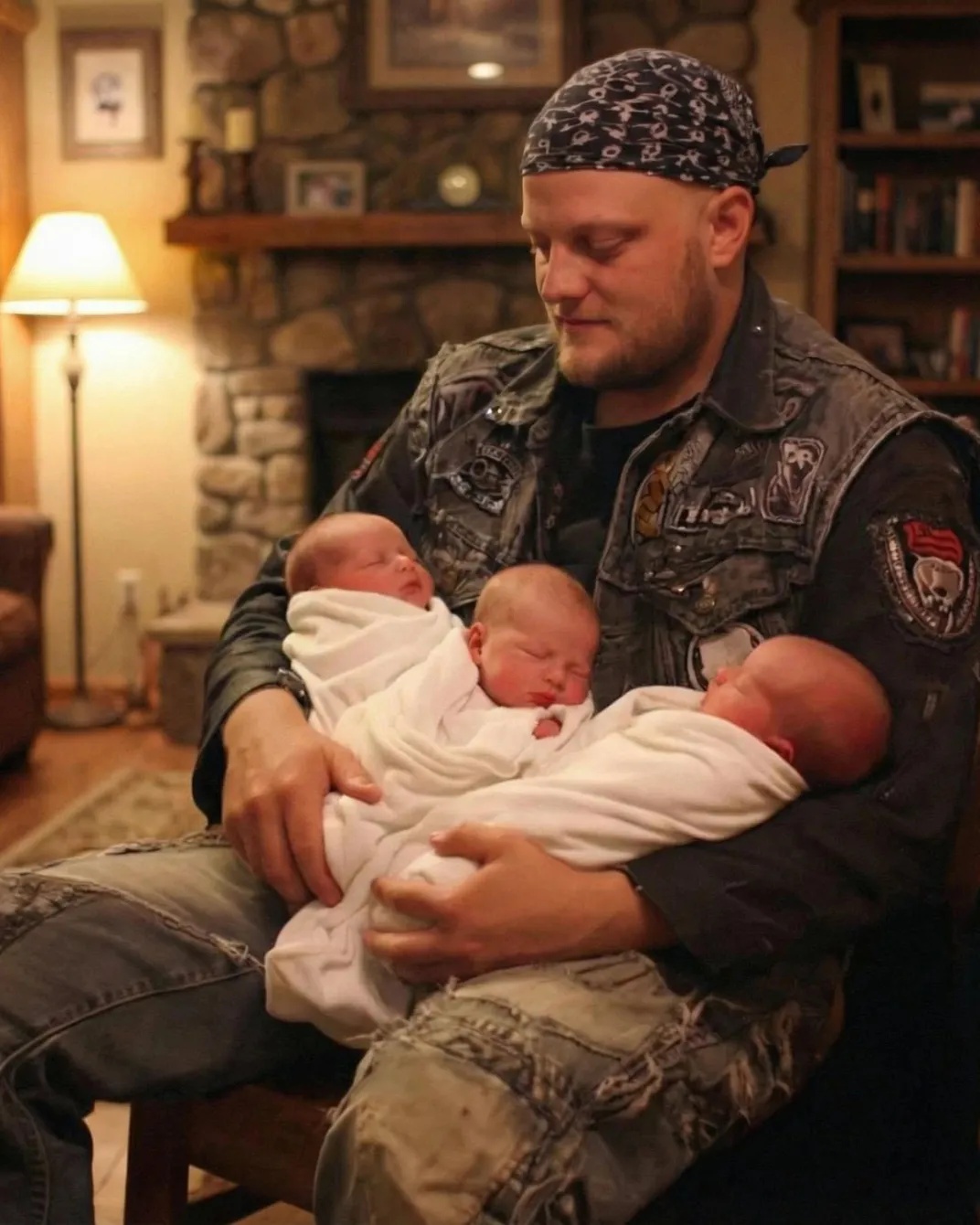
In the space of a few days, grief reshaped everything. Three premature baby girls were left without parents, and I was left staring at a future I hadn’t prepared for. I remember standing in the neonatal unit, watching their tiny chests rise and fall, and realizing that walking away was never an option. These were my sister’s children. They were her last gift to the world. I signed the papers with trembling hands and adopted them, giving them the names she had written in a small notebook she kept by her bed. In that moment, my old plans quietly dissolved, replaced by something heavier and far more meaningful.
The early years were exhausting in ways no book can prepare you for. Sleepless nights blurred into early mornings. Bottles, doctor visits, and constant worry filled every day. But alongside the fatigue came something unexpected: joy. The girls grew stronger, louder, and endlessly curious. They learned to walk within weeks of each other, wobbling across the living room like determined little soldiers. Their laughter filled the house in a way silence never had before. Slowly, grief made room for love.
We built a life together, one routine at a time. Our neighborhood became a safety net. Neighbors brought meals, watched the girls when I worked late, and showed up without being asked. Weekends meant library trips, playground picnics, and movie nights piled together on the couch. I made a point of speaking about their mother often, not as a tragedy but as a presence. We looked at photos, shared stories, and celebrated her birthday quietly each year. I wanted them to know where they came from, without carrying the weight of unanswered questions.
Their biological father existed only as a name in old documents. He never called. Never sent a card. Never asked how they were. Over time, I stopped thinking about him entirely. The girls knew I was their parent, the one who packed lunches, checked homework, and held them through nightmares. As they grew older, they began calling me “Mom” naturally, without ceremony. It felt right, and I never corrected them.
For years, life was steady. Not perfect, but safe. Then one afternoon, everything shifted again.
I was in the garden when I noticed someone standing at the gate. At first, I thought he was a delivery driver or a neighbor I didn’t recognize. When he spoke my name, my stomach tightened. I recognized him instantly, though time had changed his face. He said he wanted to see the girls. He talked about rights, about regrets, about needing to be involved now. His words felt hollow, rehearsed. The girls stood behind me, sensing the tension without understanding it.
I told him calmly that this wasn’t something he could decide on a whim. The girls’ lives weren’t something to step into and out of. My neighbors, alerted by raised voices, came closer, their presence grounding me. I asked him to leave and explained that any contact would have to go through proper legal channels. He argued briefly, but when authorities were contacted, his confidence faltered. He left escorted, casting one last look that held more frustration than concern.
That night, the house felt fragile. The girls asked questions in soft voices, sitting close to me on the couch. I didn’t lie to them. I explained, in simple terms, that the man was their biological father, but he hadn’t stayed to care for them. I told them that being a parent isn’t about biology alone—it’s about showing up, staying, and choosing someone every day. They listened quietly, absorbing more than I expected.
One of them finally asked if he could take them away. I pulled them all into my arms and told them the truth: they were safe, and nothing would change that. They fell asleep that night tangled together, their trust resting fully on me.
In the quiet that followed, I reflected on how much we had already survived. Loss had shaped us, but it hadn’t broken us. We had built something real out of grief, something strong enough to withstand the past resurfacing. The man who once walked away no longer held power over our lives. His absence had already defined his role.
Raising my sister’s children was never part of my original plan, but it became the most important chapter of my life. It taught me that family isn’t decided by circumstance alone, but by commitment, sacrifice, and love repeated over time. The future may still bring surprises, but whatever comes, we will face it together. We always have.