Blog

  • The moment Shakira leaves the stage!

    The moment Shakira leaves the stage!

    Shakira has spent decades commanding stages with a mix of confidence, precision, and unmatched charisma. But in September 2024, during an appearance at Miami’s LIV nightclub, that familiar spark briefly gave way to something else — anger, disappointment, and a hard line drawn in the sand. The moment happened quickly, but it reverberated across social media and fan communities for weeks.

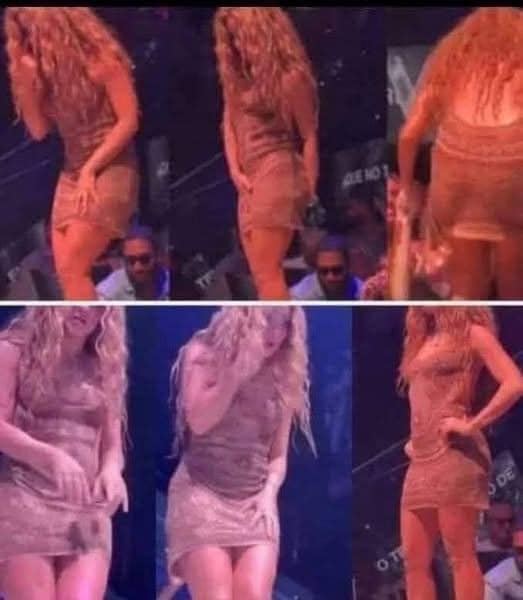
    Shakira was mid-performance, owning the room the way she always does, when she suddenly stopped. Her expression shifted. Her energy changed. Instead of continuing the set, she turned away from the crowd, signaled to security, and walked straight offstage. The room froze. Within seconds, videos surfaced showing the reason why: a fan positioned close to the stage had been trying to film up her skirt.

    For Shakira — and for anyone with a shred of basic respect — the crossing of that boundary wasn’t just rude. It was invasive. The reaction was instant. Fans rallied behind her decision to walk off. Artists, influencers, and everyday people from around the world called it the only reasonable response. No performer, no matter how famous, owes strangers a piece of their body. Not on stage, not off stage, not ever.

    The incident came at a complicated time in her personal life. Only months earlier, Shakira had moved to Miami after her highly publicized split from longtime partner Gerard Piqué. The breakup had been messy, endlessly dissected by tabloids and fans alike. Every detail — the infidelity, the song lyrics, the interviews — became global conversation. For Shakira, relocating to Miami was supposed to be a clean slate. A place to rebuild. A place where she could breathe.

    But the nightclub incident reminded everyone that fame doesn’t grant immunity from disrespect — if anything, it can invite more of it.

    In the days following, the internet became a chorus of solidarity. People praised her for setting a boundary the moment it was violated. Female artists in particular echoed that sentiment, saying they’ve dealt with the same behavior for years. Many pointed out that walking offstage wasn’t dramatic — it was protective.

    And Shakira didn’t lash out publicly. She didn’t launch into a long speech online. She didn’t drag anyone by name. She simply enforced her line and moved forward. That quiet strength is part of why she’s maintained a career at the top for two decades. She doesn’t need theatrics to make her point. She just stands firm, and the world understands.

    That same inner drive is what pushed her to channel everything — the breakup, the stress, the anger, the reinvention — into her music. Soltera, her 2024 single, became an immediate anthem. Not just because it was catchy, but because it captured a woman reclaiming her autonomy. A woman who had decided she wasn’t going to shrink for anyone. The song arrived with fire, humor, and a level of honesty only Shakira can deliver. Fans recognized the empowerment instantly. They made it a hit.

    But she didn’t stop there. In 2025, she launched her Las Mujeres Ya No Lloran tour, a title that translates to “Women Don’t Cry Anymore.” It wasn’t subtle. It wasn’t meant to be. The tour was bold, theatrical, emotional — a statement carved into a live show. It celebrated resilience, independence, and the refusal to be diminished by anyone’s expectations.

    What’s remarkable about Shakira is that her life hasn’t been easy, yet she refuses to let hardship define the narrative. Her career has faced dramatic turns before. Her personal life has been dissected more than most celebrities ever experience. Paparazzi followed her through a breakup that unfolded on a global stage. Critics analyzed every lyric, every public appearance, every gesture. But each time she’s knocked down, she doesn’t just stand back up — she builds something bigger.

    The Miami incident wasn’t just a headline. It was a reminder of how much public figures, especially women, endure. People forget that artists on stage are still human beings, standing under harsh lights, surrounded by phones, watched from every angle. They’re expected to maintain grace while being treated like objects. Shakira’s refusal to tolerate that made a larger point: boundaries don’t disappear just because someone is famous.

    She didn’t owe that nightclub a performance. She didn’t owe that fan a smile. She didn’t owe the world silence. She chose dignity over spectacle, and her supporters backed her instantly.

    What followed in the months after was something only Shakira could pull off — turning a moment of violation into fuel for her art. Her performances grew sharper. Her interviews grew more reflective. Her music carried even more purpose. She wasn’t spiraling. She was evolving.

    That’s what makes Shakira who she is. She’s not just a performer. She’s a force — someone who transforms pain into rhythm and reinvention. Someone who shows you that starting over isn’t failure, it’s clarity.

    Her move to Miami wasn’t just relocation. It was a rebirth. A new chapter away from the noise of a broken relationship. A new city, a new foundation, a new direction. Yes, the nightclub moment was ugly, but it didn’t derail her. It strengthened her boundary and sharpened her focus.

    By 2025, she was touring again, commanding massive arenas, delivering performances that reminded the world why she’s one of the most electrifying entertainers alive. The incident became a footnote, not the story. The story was her — the music, the power, the growth, the comeback.

    People love Shakira not just because she can dance like no one else and bend genres effortlessly. They love her because she is real. She stands up for herself without apology. She protects her peace. She doesn’t perform vulnerability; she lives it openly.

    What happened that night at LIV was a violation, yes. But it also revealed Shakira’s character in the clearest way possible. She saw a line being crossed and shut it down immediately. No hesitation. No performance. Just self-respect.

    And that’s exactly why her fans stand with her — then, now, always.

    If you want this version adjusted, expanded further, or shaped differently, just say the word.
  • Sad news! William sorrowfully announces to all of England that the royal family has suffered an immense loss, which is!

    Sad news! William sorrowfully announces to all of England that the royal family has suffered an immense loss, which is!

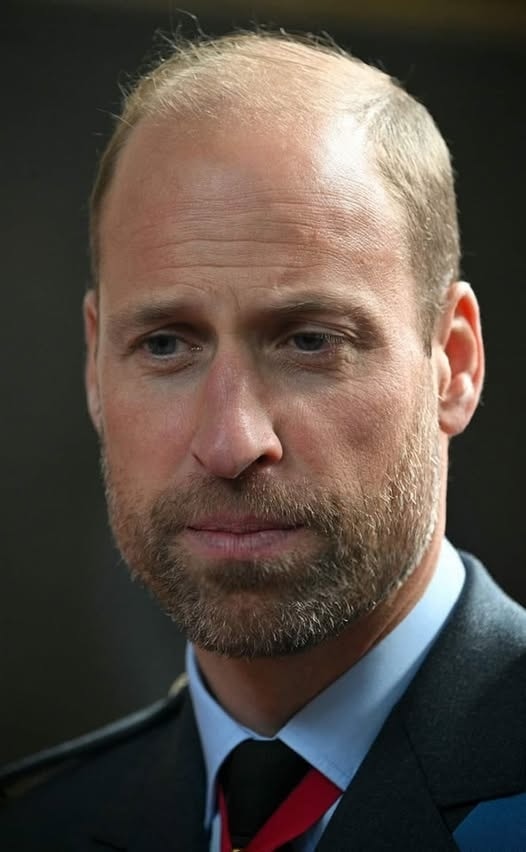
    The announcement came quietly at first, a brief statement released to the press—formal, restrained, written in the careful language the royal family always relies on in moments of gravity. But it wasn’t until Prince William himself stepped forward to speak that the depth of the situation truly hit the nation. Standing before the cameras, his expression solemn, his voice steady but weighted with emotion, he addressed the United Kingdom with news no one had expected. The royal family had suffered an immense loss, one that reached far beyond palace walls.

    The death of a family member in the royal household is never just a private matter. Love them or criticize them, the British monarchy is woven into the emotional fabric of the country. This particular loss struck a deeper chord because the person who had passed was more than a figure of tradition—they were a presence that had shaped generations. They had given decades of their life to service, charity, and the quiet, consistent work that often goes unnoticed but never unappreciated.

    William’s voice softened when he spoke about their legacy. He didn’t rely on grand, dramatic language; he didn’t need to. He spoke like a grandson, like a man who had lost someone who anchored his world. He described a lifetime of devotion—public duties carried out without complaint, causes championed long before they were considered fashionable, and compassion extended to people who would never forget the gesture. It was clear he was grieving, not as an heir to the throne, but as a man who had lost a steadying force in his life.

    The reaction across the country was immediate. For many, it felt like losing a familiar figure they’d grown up with—a voice of tradition, a face tied to countless public moments, ceremonies, and national milestones. Tributes poured in from every direction: political leaders, charities, international dignitaries, and ordinary citizens who simply felt compelled to say thank you. The loss didn’t feel distant. It felt close.

    Candlelight vigils appeared overnight outside royal residences. People left handwritten notes, flowers, small tokens, and even drawings from children who had only ever known this person through their parents’ stories or televised appearances. Social media filled with messages of gratitude and grief. People shared clips, memories, and stories of encounters—brief moments that had stayed with them for years. It became obvious that the royal figure who had passed wasn’t just respected but deeply cherished.

    William’s statement didn’t focus on titles, accomplishments, or royal protocol. Instead, he emphasized character. He spoke about the strength, humor, resilience, and unwavering loyalty of the family member they had lost. He mentioned how their guidance shaped him, how their presence offered stability in a world that constantly shifts. And he urged the country to respond not with speculation or division, but with unity.

    That call mattered, especially coming from him. William understands better than most how quickly public mourning can turn into noise, gossip, or political friction. His tone wasn’t commanding—it was human. He asked the nation to support one another, to show compassion, to stand together through a period of collective grief. He asked for privacy, too, not as a royal privilege, but as a simple request from a grieving family trying to navigate loss under the brightest spotlight imaginable.

    As the days passed, more details emerged about plans for a memorial service. It would be a national event—open to the public, broadcast globally, attended by heads of state, charity leaders, and representatives of organizations the deceased had supported throughout their lifetime. But it would also be deeply personal. The family wanted it that way. It wasn’t just a state ceremony—it was a farewell.

    Across Britain, communities began preparing their own ways of honoring the loss. Churches rang their bells. Schools planned moments of silence. Local charities organized collections or service days in tribute to the royal figure’s lifelong dedication to helping others. The grief felt collective, but the expression of gratitude became collective too.

    Behind the scenes, palace staff described an atmosphere of quiet heartbreak. This wasn’t merely an institutional loss—it was a family mourning someone who had shaped their daily lives. William, by stepping forward, became the voice of that grief. He didn’t hide it. He didn’t attempt to posture or present a hardened façade. He addressed the country the way any person would hope to be addressed during a difficult moment—with honesty, dignity, and a level of vulnerability that reminded people why he has earned their respect.

    For many, the moment also underscored William’s evolving role within the monarchy. He has long been seen as a bridge between tradition and modernity, someone who honors the past while understanding the world his generation inhabits. His handling of such a painful announcement showed that he is not only ready to shoulder responsibility—he is capable of leading with empathy. This moment cemented that perception.

    What struck people the most was how he framed the loss: not as an ending, but as a legacy meant to be carried forward. He spoke about taking inspiration from the life of the person who had passed. Their values—service, compassion, steadiness—should continue to guide the family and the country. He reminded everyone that grief is not just sorrow; it is also a sign of deep love. And he encouraged the public to honor that love through kindness, patience, and community.

    In the days to come, Britain would continue to mourn. There would be tributes, documentaries, memorials, and reflections in newspapers and classrooms. But William’s announcement set the tone: dignified, heartfelt, grounded. It reminded the country that while the monarchy is an institution, its members are people—people who bleed, grieve, love, and lose just like anyone else.

    And so the nation mourned not just a royal figure, but a familiar presence who had shaped decades of public life. The loss was immense, but the legacy was larger still. William’s message made that clear: grief is heavy, but it also binds a nation together when expressed with honesty.

    The royal family will move forward, as they always have, but they will do so carrying the memory of someone whose influence will continue long after the mourning ends. In a moment of national sorrow, William didn’t just announce a loss—he offered a reminder of what remains: connection, duty, and the quiet strength that carries people through even the hardest days.

  • Vanna White Finally Breaks Silence On Ryan Seacrest Conflict!

    Vanna White Finally Breaks Silence On Ryan Seacrest Conflict!

    The transition at Wheel of Fortune was always going to be a massive shift. After more than four decades of Pat Sajak steering the show with his signature calm charm, bringing in a new host meant rewiring the rhythm of a machine that had run almost unchanged for generations. But no one expected the changeover to ignite the kind of rumors that have taken over social media in recent months — whispers of tension, miscommunication, and behind-the-scenes frustration between the new host, Ryan Seacrest, and the woman who has been the face of the puzzle board since the early ’80s: Vanna White.

    For weeks, tabloid headlines hinted that the two weren’t getting along. Anonymous “sources” claimed the chemistry wasn’t there, that their working styles clashed, and that Vanna was regretting her decision to stay on the show after Pat’s retirement. Fans, already wary of change, were quick to believe anything that smelled like conflict. But until now, Vanna had stayed silent. Then she finally spoke — unexpectedly and in her own understated, classic way.

    A simple photo.

    No press conference. No dramatic speech. No emotional video.

    Just a picture of her and Ryan smiling behind the scenes, accompanied by a short message meant to calm the storm. She wrote about how transitions are never easy, how Pat’s exit created a natural adjustment period for everyone, and how Ryan has been working hard to honor the show’s legacy while also finding his footing. She emphasized teamwork and gratitude, ending with a reminder that viewers only see the final product — not the hours of rehearsals, retakes, and the steep learning curve behind it.

    But the post didn’t have the effect she probably hoped for.

    Instead of shutting down the rumors, it fueled the comment section with even more speculation. Fans analyzed her smile, her wording, her body language. Some praised her professionalism, while others claimed the message felt too polished, too controlled, too… rehearsed.

    One viewer wrote, “Vanna is trying to be polite, but you can tell something is off.”
    Another said, “If everything was fine, she wouldn’t need to post this at all.”
    Others were more direct: “Just retire already and leave the show to Ryan.”

    And yet, many defended her, insisting the public was reading way too much into a harmless post. They argued that Vanna has earned respect, not interrogation — that after 40 years of showing up, turning letters, keeping the energy positive, and becoming an icon in her own right, she deserved space to adapt to the seismic shift happening around her.

    Behind all the noise, the truth is simple: Wheel of Fortune is going through the biggest transition in its history, and everyone involved is figuring it out in real time.

    Ryan Seacrest, for all his experience hosting everything from talent competitions to radio shows, stepped into a role with decades of history attached to it. There’s no handbook for replacing a man who became a fixture in American households. Fans compare every joke, gesture, pause, and smile to Pat’s — and most newcomers would struggle under that weight. Ryan is learning the timing, the pacing, the comfort level of contestants, and the rhythm of interacting with Vanna, who has her own deeply ingrained way of doing things.

    Vanna, meanwhile, is carrying her own emotional and mental load. She worked beside Pat Sajak longer than most people stay in marriages. They had a quiet, effortless flow that comes only from years of partnership. With Pat gone, she’s trying to maintain the heart of the show while adjusting to someone brand new, someone with a different personality, energy, and approach. It’s a lot — even for someone with her experience.

    Privately, those close to the show have said Vanna did consider retiring when Pat announced he was stepping down. She weighed it seriously. She thought about her age, her legacy, and the reality that stepping into a new era without the person she shared the stage with for 40 years would be emotionally tough. But she ultimately chose to stay — partly because she loves the show, partly because she wanted to help ease the transition, and partly because she believed the audience needed some continuity.

    That continuity, though, comes with pressure. Too much of it.

    Every awkward moment gets turned into a rumor. Every on-camera glance becomes a conspiracy. Every pause or miscue fuels another wave of speculation. And Vanna, who has always carried herself with grace, is balancing her loyalty to the show with the scrutiny of millions of viewers who want things to feel exactly the way they used to.

    The truth is simple: there is no replacing 40 years of chemistry overnight.
    And that’s not conflict — that’s reality.

    Vanna’s message was her way of reminding fans that new partnerships take time. That the show is bigger than two people. That working through discomfort doesn’t equal drama. And that she isn’t going anywhere unless she decides the time is right — not because rumors say she should.

    Ryan himself, for what it’s worth, has publicly praised Vanna repeatedly. He’s called her “television royalty,” “the heart of the show,” and “a legend I’m lucky to stand beside.” Despite internet theories, there’s no evidence he feels anything but respect for her.

    But viewers are stubborn. When a show has been part of their routine for generations, even small changes feel personal. And when something feels personal, people look for someone to blame.

    Right now, both Ryan and Vanna are working through the invisible pressure of taking a familiar ritual and keeping it alive without breaking its spirit. That’s messy. That’s imperfect. That’s human.

    Vanna’s post wasn’t a denial — it was a reminder.

    A reminder that the show is evolving.
    A reminder that transitions come with bumps.
    A reminder that she and Ryan are on the same team.
    And a reminder that even icons sometimes need patience and grace.

    What happens next? The show continues. Episodes get filmed. Chemistry builds. Audiences adjust. And with time, what once felt unfamiliar will feel like the new normal.

    But for now, the noise will continue — because nothing about changing a 40-year legacy happens quietly.

    And Vanna White, ever the professional, will keep showing up, turning letters, and doing what she’s always done: holding the show steady, even when the world insists on shaking it.

  • SOTD! 25 Pictures That Need A Second Look!

    SOTD! 25 Pictures That Need A Second Look!

    Illusions have a way of stopping you mid-scroll. One moment your brain is convinced it understands what it’s seeing, the next it’s scrambling to make sense of a shape, a shadow, or an angle that doesn’t quite match reality. The best photos that trigger this double-take aren’t staged or manipulated. They happen by accident—fleeting moments where light, timing, and perspective collide to create something strange, funny, or downright impossible. This collection celebrates exactly that: images that fool your eyes, challenge your assumptions, and make you look twice before everything finally “clicks.”

    It starts with something simple: a man in a swimsuit. Nothing odd there at first glance. But the angle twists your perception just enough to make his legs seem too long, his torso oddly shaped, or the background merge with him in a way that blurs the boundary between figure and landscape. It’s a reminder that perspective is ruthless; get it wrong by a few degrees and the ordinary becomes uncanny.

    Then comes the classic beard illusion—when guys with full beards tilt their heads upward and the lower half of their face becomes the entire face. Suddenly the mouth disappears, the beard turns into a kind of plush mask, and the whole head looks like it’s been swapped with a stylized cartoon character. It’s goofy, harmless, and guaranteed to snap your brain out of autopilot.

    Some images hit a different nerve, like the person joking that a particular picture “looks like my ex.” It’s vague, a throwaway line, but it still taps into that reflex we have to assign meaning to every face and silhouette, to see personality in shapes that don’t actually contain any.

    From there, the visual tricks escalate. Darth Vader makes an unexpected appearance—not in a movie frame, but in the form of an object whose outline imitates the villain’s famous helmet and respirator. It’s the kind of resemblance that’s so eerily accurate you almost expect to hear the slow mechanical breathing that defined the character. A palm tree in another photo seems to recoil in shock, fronds snapped in such a perfect arc that the entire tree looks startled. Of course, it’s just wind and timing, but your brain momentarily insists the tree is reacting to some kind of cosmic news.

    Other illusions play with textures and colors. A swirl of something minty on a surface looks exactly like toothpaste until you realize it’s paint or a cleaning product catching the light at just the right angle. Industrial chimneys in another frame spew out enormous clouds that, depending on how you read the scene, can look either like thick pollution or strangely picturesque columns of steam. The ambiguity forces you to confront how images shape your assumptions about environmental reality.

    One of the most beautiful tricks in the lineup comes from the humble eraser. After heavy use, the bottom of it starts to resemble a serene painting—thin dark strokes forming what look like birds perched on branches in front of a line of distant trees. It’s accidental art created by pressure, friction, and a bit of imagination.

    Not everything in these photos is cute or poetic. Giant pigeons appear in one shot—not actual giants, of course, but normal pigeons perched close to the camera while distant buildings shrink behind them. The scale distortion is so convincing your instincts tense for a split second. The same sensation appears in the picture where someone admits, “I hope it’s just an illusion.” Without context, that line could apply to a thousand things—a shadow that resembles a spider, water that looks way deeper than it is, or a shape looming in a reflection. Our brains are wired to react before they analyze.

    Some illusions come from nature itself. A cat appears to have extra “fur eyes” above its real ones—perfect patterns that mimic eyebrows and shadowed lids. The effect is both adorable and unsettling, like the cat is wearing a second, more dramatic expression layered on top of its real face. Ducks in another scene seem to melt in hot weather, their bodies collapsing into puddle-like curves. It’s just posture and heat behavior, but the visual joke lands instantly: ducks turning into Dali paintings under the sun.

    A truck carrying large rolls of blue plastic turns into Cookie Monster if you catch the angle just right. The rolls look like bulging googly eyes, the open mouth of the truck’s cargo area forms the “jaw,” and suddenly your childhood comes roaring back in the form of a giant vehicle that looks hungry for cookies. Another photo highlights someone’s arm muscles in such wild lighting that the shadows exaggerate the shape, making simple biceps look almost monstrous.

    Misinterpretation fuels more humor. Smoke that seems to pour out of a window looks like a raging fire until the camera zooms out and reveals it’s just dust or steam from construction. A pair of objects that shouldn’t be confused—maybe food items, tools, or packaging—look identical at first glance, prompting the caption: “Don’t confuse them!” It’s a playful reminder that visual similarity can be a trap.

    Groceries

    There’s also a backpack so light it barely looks real—thin enough to seem like a shadow or a drawing against someone’s back. The question follows naturally: what’s the point of carrying something so tiny? Maybe it’s for style, maybe it’s a fashion experiment, or maybe it’s just another illusion.

    The final question ties everything together: which picture made you stop and rethink what you were seeing? That’s the charm of these moments. They interrupt the constant stream of predictable imagery we’re used to. They force the brain to pause, reassess, recalibrate. They show how much we rely on context, scale, light, and expectation to navigate the visual world. And they remind us how easily those expectations can be derailed with nothing more than an angle, a shadow, or a perfectly timed snapshot.

    These photos aren’t just jokes or curiosities. They’re proof that the world is full of unintentional magic—strangeness hiding in plain sight, waiting for someone to notice. And sometimes, all it takes is a second look.

  • Women ran from him after break-through role!

    Women ran from him after break-through role!

    Vincent D’Onofrio has spent decades proving he’s one of Hollywood’s most committed and transformative actors. But long before Marvel, Law & Order: Criminal Intent, and his reputation as a commanding force on screen, he was just a young New York stage actor hustling through odd jobs, waiting for the right role to break him open. That role came — and it changed not only his career, but the way people looked at him, literally.

    Most people today still remember him as Leonard “Private Pyle” from Full Metal Jacket, Stanley Kubrick’s unflinching masterpiece about the Vietnam War. His performance as the slow, troubled Marine recruit remains one of the most disturbing and memorable transformations in cinema history. But the price he paid for that breakthrough role was steep. It cost him his looks, it cost him his confidence, and for a time, it cost him the attention of the very people who used to admire him.

    Before Full Metal Jacket, D’Onofrio was a tall, athletic, curly-haired New Yorker, undeniably handsome and physically charismatic. He grew up in Brooklyn, the son of a barber-turned-theater manager and a mother who later married writer-producer George Meyer. As a kid, he spent a lot of time alone, retreating into his imagination. When his family moved to Florida, he picked up magic and sleight-of-hand tricks from Cuban performers who ran a local shop — early signs of a mind already leaning toward performing.

    As an adult, he dove headfirst into acting. He worked stages in New York, both on Broadway and off, and did everything imaginable to pay the bills: driving cabs, hanging drapes, delivering flowers, bouncing at nightclubs, even working as a bodyguard for stars like Yul Brynner and Robert Plant. Nothing about his rise was glamorous. He built himself from the ground up, one gritty job and one unpaid performance at a time.

    Then came the break. His friend, actor Matthew Modine, encouraged him to audition for Kubrick’s new war film. D’Onofrio sent in a tape. Kubrick liked him — really liked him — but there was one condition: he needed to gain a massive amount of weight. A lot more than he expected.

    At the time, D’Onofrio weighed around 200 pounds, built strong and lean from years of physical work. He gained 30 pounds quickly, thinking that would be enough. Kubrick took one look and told him he still looked like he could “kick everybody’s ass.” That wasn’t Leonard. Leonard needed to be soft, slow, helpless — a target. So Kubrick asked for more weight.

    And D’Onofrio delivered.

    By the end of the process, he had gained between 70 and 80 pounds, reaching roughly 280. To this day, it remains the biggest weight gain any actor has ever taken on for a role. He shaved off his thick hair, altered his movement, changed the way he held his face. His body transformed, but so did the way people treated him.

    The extra pounds made every scene on set physically brutal. Obstacle courses that would have been easy at his original weight suddenly felt impossible. Running, climbing, even standing for long takes became punishing. But he pushed through, determined to meet the standard Kubrick demanded.

    The performance he delivered was unforgettable — disturbing, tragic, and deeply human. Critics praised him instantly. But outside the world of film, things weren’t so kind.

    People began treating him like he was actually the character: slow, awkward, mentally unstable. Strangers repeated things to him because they assumed he was too stupid to understand the first time. Women who once smiled at him turned away. People stared at him in public with disgust or pity. D’Onofrio later admitted that he rarely saw a woman’s face — mostly their backs as they walked away.

    The transformation was so complete that he had effectively erased the man he’d been.

    After filming wrapped, it took nearly a year for him to return to his former size. His hair grew back. His body recovered. Slowly, people stopped seeing Leonard and started seeing Vincent again. But the experience left its mark. The role had changed his life — for better and worse.

    Professionally, it catapulted him into a career that would span more than five decades. He went on to star in over 50 films and became a household name after his long-running role as Detective Robert Goren on Law & Order: Criminal Intent. He stepped into the Marvel universe as Wilson Fisk, one of the most chilling villains ever put on television. He directed, produced, wrote a book, and built a reputation as one of Hollywood’s most versatile, fearless performers. And through it all, he credited Kubrick.

    “Stanley made my career,” he said more than once. “There’s no question about that.”

    Personally, his life took many turns. In the early ’90s, he was in a relationship with actress Greta Scacchi, with whom he shares a daughter, Leila George — now an actress herself. In 1997, he married Dutch model Carin van der Donk. They had a son in 1999, separated in the early 2000s, reconciled, and had a second son in 2008. But the marriage eventually ended. In 2023, after 26 years together, D’Onofrio filed for divorce.

    Despite the twists and turbulence in his life, he continued to work steadily. He appeared with Sandra Bullock in The Unforgivable and took on major roles in projects like Dumb Money. He remains a respected force in the industry — intense, strange, brilliant, forever committed.

    Few actors would risk what he risked early in his career. Few would willingly sacrifice their body, their appearance, and their public image for a single role. But Vincent D’Onofrio has never been “most actors.” He’s a shapeshifter. A craftsman. A man who disappears so completely into his characters that the world briefly forgets who he really is.

    Full Metal Jacket turned him into a star — but it also became a test of identity, one he had to fight his way back from. And decades later, people still talk about that performance. They still call it haunting, unforgettable, unmatched.

    He paid a price for Leonard.

    But he also earned a legacy.

  • SOTD! People Are Coming Out As Berrisexual!

    SOTD! People Are Coming Out As Berrisexual!

    A new identity label has been circulating across online queer communities, quietly making its way onto Reddit threads, Tumblr posts, and LGBTQ+ wikis. The word is “berrisual,” and even though it’s still niche, it’s gaining traction fast among people who feel existing labels just don’t capture the nuances of their attraction.

    At its core, berrisual describes people who are primarily attracted to women, feminine-aligned genders, and androgynous people — but who occasionally, rarely, or unpredictably experience attraction to men or masculine-aligned genders. It’s a term that lives in the gray zone, addressing something many people have felt but never had a word for. Attraction isn’t always clean-cut or evenly distributed, and not everyone falls neatly into categories like bisexual, lesbian, straight, or pansexual. Berrisual fills that space for those who feel their experience is lopsided, inconsistent, or tilted heavily in one direction.

    The term first started circulating in small queer micro-communities, where people openly discuss identity nuances that rarely surface in mainstream conversations. From there, it spread to Tumblr — the unofficial birthplace of half the internet’s identity language — and eventually popped up in digital dictionaries and user-based LGBTQ+ glossaries. Urban Dictionary includes a definition describing berrisual individuals as “people attracted to women, feminine genders, and androgynous genders, but very rarely to men or masculine people.” That phrasing has been echoed across multiple platforms, with small variations depending on who’s using it.

    On Tumblr, users have described it as fitting a common pattern: someone who “usually only feels attraction to feminine or nonbinary people, but occasionally to masculine ones.” That occasional attraction is key. It’s not frequent enough for someone to feel bisexual, not rare enough to identify as strictly gay or straight, and not specific enough to fit into words like sapphic or androphilic. Berrisual captures the imbalance and the unpredictability.

    What stands out most is how people are reacting to the term. The conversation around berrisual isn’t about trendiness or novelty — it’s about accuracy. Many who adopt the label say they’ve spent years trying to fit themselves into existing categories that never truly matched what they felt. One Reddit user summed it up bluntly: “I didn’t want to force myself into a box that wasn’t mine. Now I don’t have to pick because berri fits like a glove.” For that user and many others, the label isn’t about creating something new for the sake of being different; it’s about being honest.

    Identity terms often emerge when the existing vocabulary fails to describe the real complexity of people’s experiences. Human attraction isn’t binary, balanced, or predictable, and language in queer spaces evolves to reflect that reality. Every generation invents new terminology — not to complicate things, but to simplify them for the people who never felt seen by the words available before.

    Berrisual follows that tradition. It mirrors other terms created to describe attraction patterns that aren’t symmetrical or evenly split. Some people lean toward a particular gender but occasionally experience attraction outside their usual pattern. Others have a primary attraction that rarely strays but still does on occasion. These experiences aren’t uncommon, but before labels like this existed, people often felt pressured to choose between broader sexual identities that didn’t match their internal reality.

    The rise of berrisual also reveals something about how identity language has evolved. Earlier LGBTQ+ discussions tended to rely on broad categories: gay, straight, bi, trans, lesbian, queer. As communities grew more online and more connected, people began openly comparing notes on their inner lives — especially young people who had access to queer spaces that weren’t tied to geography. These spaces became incubators for new terminology, offering individuals the freedom to define their experiences without fear of being dismissed or misunderstood.

    Some critics argue that more labels lead to fragmentation, that the LGBTQ+ community becomes harder to understand from the outside when new language appears every few months. But the counterargument is simple: people aren’t getting more complicated, they’re just getting more honest. The language is finally catching up to the spectrum of experiences that have always existed but never had names.

    Berrisual is one of those names. It gives voice to a group of people who often felt overlooked — those whose attraction is mostly but not exclusively oriented toward femininity. These individuals often struggled to claim labels like lesbian or gay because their occasional attraction to masculinity made them feel like frauds. At the same time, bisexual didn’t feel right either, because their attraction wasn’t balanced or open-ended. They felt stuck in the middle, mislabeled, or forced into identities that didn’t match their emotional reality.

    And that’s the real reason berrisual is gaining attention: it gives permission. Permission to be specific. Permission to acknowledge complexity. Permission to describe attraction without apology or confusion.

    It also brings comfort. For many, discovering the term feels like recognition — the kind they never expected to find. Some users online describe the emotional relief of finally locating language that mirrors their own experience. They’re not alone, and they’re not strange. They’re simply berrisual.

    As with any new identity term, berrisual may evolve, shift, or fade as language continues to grow. It may stay niche or move into wider use. It may end up being refined or replaced by something more accurate. That’s how identity language works: trial, error, and continual adjustment. But right now, it’s giving people a way to articulate something they’ve been carrying silently for years.

    The broader point is straightforward: attraction is personal, complicated, and rarely symmetrical. Labels don’t exist to restrict people — they exist to free them. And berrisual is one more step toward giving people the vocabulary to describe themselves without shrinking or simplifying who they are.

    Even if the term is new, the experience it captures isn’t. What’s new is the ability to say it clearly.

  • Meaning Behind the Tradition of Coins on Gravestones!

    Meaning Behind the Tradition of Coins on Gravestones!

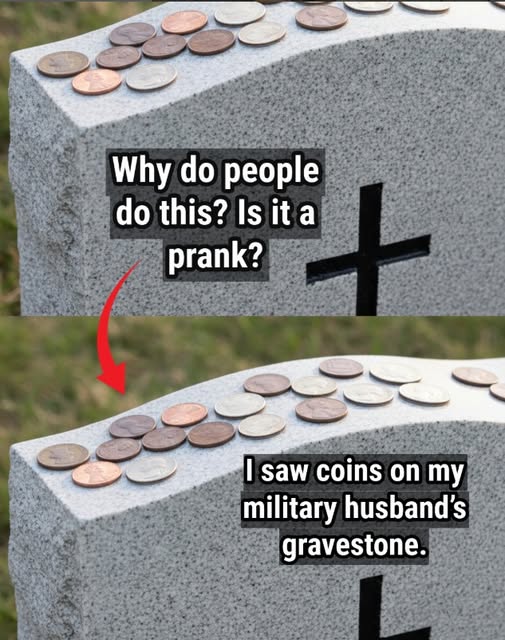
    You’ve probably walked through a cemetery at some point and noticed a few coins resting on a gravestone. Maybe a penny catching the sun. Maybe a nickel or a quarter sitting there quietly, no explanation, no note, no flowers. Most people pass by assuming someone dropped their spare change or left it without much thought. But if you slow down and pay attention — especially in military cemeteries — you realize those coins aren’t accidental. They’re deliberate. Each one has meaning, and every denomination carries its own message.

    This tradition isn’t new. The act of leaving coins on the graves of the dead goes back to ancient times, long before modern militaries, long before national cemeteries. Different cultures had their own interpretations: offerings to ancestors, tokens to the afterlife, signs of respect. Over time, especially in the United States, the tradition morphed into something uniquely tied to service members. Veterans found quiet ways to honor the people they fought beside without writing letters or placing flowers that might draw unwanted attention. During the Vietnam War, when emotions were tense and political opinions split families and neighborhoods, leaving a coin became a discreet signal — a simple way to say, “I was here. I remembered you,” without stirring trouble.

    Today the tradition remains. Still quiet. Still subtle. And once you understand the meaning, you never look at those coins the same way again.

    A penny is the most common coin you’ll find, and also the simplest message. Leaving a penny says, “I remembered you.” You may not have known the person personally. You may have simply passed by, read the name, and acknowledged their existence. But that tiny gesture still carries weight. For the family who comes to visit, seeing that penny means someone stopped. Someone cared enough to pause in front of the stone and give the deceased a moment of their life. It’s the smallest coin, but symbolically it holds tremendous power. It tells the family their loved one isn’t forgotten.

    A nickel carries a deeper connection. Dropping a nickel on a grave means you and the person buried there went through boot camp together. You trained side by side, suffered through the same early mornings, cold nights, sore muscles, bad chow lines, and the kind of shared misery only recruits understand. You might have carried each other through obstacle courses, swapped jokes to stay sane, or complained together about instructors who seemed designed to break you in half. Boot camp bonds people in a way that never leaves them, and the nickel honors that strange, formative chapter. It’s a reminder of who they were before deployment, before medals, before combat — just two young recruits figuring out how to become soldiers.

    A dime takes that connection a step further. When someone leaves a dime, it means they served with the deceased in active duty. Not just training, but deployment. Real missions. Real risks. Maybe they shared the same truck, rode out the same ambush, slept in the same cramped barracks, or fought through the same horror of war. A dime acknowledges a bond forged through survival. It says, “I saw what you saw. I stood where you stood.” Those who leave dimes often carry heavy memories — the kind that stay buried in a person’s mind long after their service ends.

    But the quarter is the heaviest coin of all, and its meaning carries the most weight. Leaving a quarter means the person who placed it was physically present when the service member died. They witnessed it. They held a hand, shouted for help, or fought desperately to save them. Or maybe they were simply close enough to see the moment happen. That quarter is a silent confession of grief and loyalty. It says, “I was with you at the end,” without forcing the person to speak the words out loud. It is the most intimate gesture someone can leave behind short of telling the story themselves.

    What makes this tradition powerful is its silence. There is no official handbook explaining the meaning. There’s no plaque in a cemetery telling you what each coin stands for. Veterans pass the knowledge to each other quietly. Families learn it indirectly. And strangers who discover it for the first time suddenly understand the emotional weight of something they once ignored. Once you know the meaning, the next time you see a coin — especially a quarter — you feel it in your chest. You don’t just see metal; you see a story.

    For families, the coins matter more than most people realize. Imagine visiting the grave of your father, mother, brother, sister, or child and spotting coins someone else left behind. Maybe you never knew the visitor. Maybe you never will. But you instantly know your loved one mattered to someone. They weren’t just a name carved in stone; they were a person remembered by someone who shared their life in ways you may never fully understand. The coins become proof that the story didn’t end when the person died.

    Why coins and not flowers or stones? Flowers blow away. Photos fade. Paper notes get ruined by rain. Coins stay put. They’re sturdy, simple, and symbolic. They also hold literal and emotional value. Some cemeteries even gather the coins periodically and donate the money to veteran support organizations. So those pennies and nickels don’t just honor the dead — they help the living.

    But ultimately, the reason coins remain the symbol of choice comes down to how small and unassuming they are. They don’t demand attention. They don’t turn the grave into a spectacle. They speak quietly, the way grief often does. A coin is humble but loaded with meaning, and that’s what makes the tradition endure.

    So if you ever walk through a cemetery and see a coin resting on a grave, especially in a military section, don’t touch it. Don’t take it. Don’t clean it off. Appreciate the message behind it. Someone placed it intentionally. Someone carried a memory to that spot. Someone honored a life the only way they knew how.

    Those coins are not loose change. They’re messages, each one saying something specific, something heavy, something heartfelt. They are the quiet language of remembrance. And now that you understand that language, you’ll never walk past those small pieces of metal the same way again.

  • My Family Ignored Me at My Own Birthday Dinner, But They All Wanted a Piece of Me When They Heard the Will

    My Family Ignored Me at My Own Birthday Dinner, But They All Wanted a Piece of Me When They Heard the Will

    I turned seventy-eight on a Tuesday, and my house felt too quiet for a day that once meant balloons, homemade cards, and three little voices shouting through the kitchen before sunrise. Now it was just me, a roast chicken cooling on the counter, and a lemon pie that still smelled warm and sweet even if no one else cared enough to appreciate it.

    Getting old in Ohio has a way of making you invisible. Unless someone needs your checkbook, a ride, or a casserole, you’re a ghost wandering your own house. But I still tried. I pulled out the good tablecloth, the one with the tulips my late husband loved. I ironed it twice so the folds disappeared. I even set out the real silverware, not because anyone would notice, but because I still needed to feel human.

    At six o’clock, headlights finally lit up the front drive. My son Todd walked in with his wife, Cheryl, who immediately complained about the temperature like she was inspecting a rental property. She didn’t bother removing her coat. Todd sniffed the air and smirked at the chicken. “Smells… old-fashioned,” he said. As if home cooking was some kind of insult.

    Cheryl tapped away on her phone, barely glancing at me. “We really could’ve picked up takeout,” she muttered.

    I swallowed the sting and forced a smile. “I thought we could eat together. Like old times.”

    Twenty minutes later, my daughter June rushed in, heels clacking on the linoleum like she was late for a meeting. “Mom, I had no idea you were doing a whole dinner. I thought it was just cake.” Then she looked around and frowned at my wallpaper — the same wallpaper she once traced with chubby little fingers. “You really should redecorate… you know… before anything happens.”

    Before I keel over, she meant. Charming.

    We sat down for dinner, but only I seemed to notice the candles melting into a small, sad puddle. The kids were too busy scrolling through their phones or dissecting my life in the same tone a realtor uses when critiquing a fixer-upper.

    “So,” June said, barely glancing at me, “what are you doing with the house, Mom? It’s big for someone your age.”

    I poured the gravy with a shaking hand. “We can talk about that later. Tonight’s supposed to be about family.”

    But it wasn’t. Not to them.

    They finished eating in silence. No compliments. No stories. Not even a forced smile for the birthday girl. When dessert was gone, Todd stood up, stretched, and announced they had to leave early because of work. Cheryl patted my arm and told me I should “rest anyway, at my age.” June didn’t even say goodbye; she just pocketed the leftover lemon pie.

    When the door closed behind them, the house was as empty as it had been all day. I blew out my candles alone, watched the smoke curl into nothing, and finally laughed — a dry, tired sound. If they thought the old lady in the little Ohio house had nothing left but warm meals and fading memories, they were about to learn how wrong they were.

    By morning, the cold Ohio air sharpened my thoughts to a point. I poured a cup of weak coffee, stared at the old rotary phone, and smiled. Time to see how quickly my family remembered I existed.

    I called Todd first. “Honey,” I said sweetly, “I met with my lawyer yesterday. Turns out your father left an old insurance account. It’s grown quite a bit.”

    You could hear his brain snap to attention. “Wow, Mom! That’s great! We should get together soon. I can help you sort everything out.”

    Help, sure. Help himself.

    Next I called June. “I’ve had some financial news,” I told her.

    There was a long silence. Then, “How much money are we talking, Mom?”

    “Enough to make people nicer,” I said. And suddenly my daughter was offering to come by, bring groceries, help me “reorganize my life.”

    By the weekend, miracles were popping up like weeds after rain. Todd showed up with bags of expensive produce — the kind he never buys for himself. June brought flowers, real ones, not the $2 grocery-store bundle she usually tossed on the table.

    They hovered. They complimented. They asked about my health and my needs with voices dripping honey.

    Two weeks earlier, I couldn’t get them to stay for cake. Now they were circling like well-groomed vultures.

    I kept my little notebook close — The Month of Observation, I called it. Every time they visited, every kindness, every slip of manipulation, I marked it down. A heart for sincerity. A question mark for doubt. An X for selfishness. By the end of two weeks, both Todd and June had a mosaic of symbols that said more about them than they ever would.

    When I finally invited them over for tea “to discuss my will,” they arrived early. Both dressed nicely, both smiling too wide. But I had one more guest.

    Harry — a homeless man who lived nearby — shuffled in behind them. His coat was torn, his beard scraggly, but his eyes were kind. He had helped me carry groceries once when my own son couldn’t be bothered.

    “Mom, who is that?” June hissed.

    “A friend,” I said. “The only one who helped me without expecting something in return.”

    We sat at the table. I sipped my tea and looked each of my children in the eyes.

    “I’ve decided,” I said, “that everything I own will go to Harry.”

    The room detonated. Todd sputtered. June froze, jaw hanging.

    “You’re joking,” she finally said.

    “No,” I replied calmly. “You ignored me for years, and when you finally showed up, it was for money. This man showed me kindness when you didn’t.”

    Todd slammed his fist on the table. “We’ve helped you for weeks!”

    “Two weeks,” I corrected. “And only after I mentioned money.”

    June was tearing up now. “Mom, that’s not fair.”

    “It’s honest,” I said simply.

    They left in stunned silence, anger simmering under their skin.

    When the door clicked shut, Harry pulled off his itchy scarf and grinned. “Did we fool them?”

    “Every inch,” I said, laughing hard for the first time in months.

    Harry leaned back. “So… there’s no fortune, right?”

    “Of course not,” I winked. “But they don’t need to know that.”

    And for the first time in a long, long while, I felt alive again — not because of a fake fortune, but because I finally remembered I didn’t need anyone’s permission to value myself.

    Sometimes the only way to wake people up is to show them what life looks like without you in it. And sometimes, that lesson is worth more than money ever will be.

  • Never throw away these 4 things after a loved one dies!

    Never throw away these 4 things after a loved one dies!

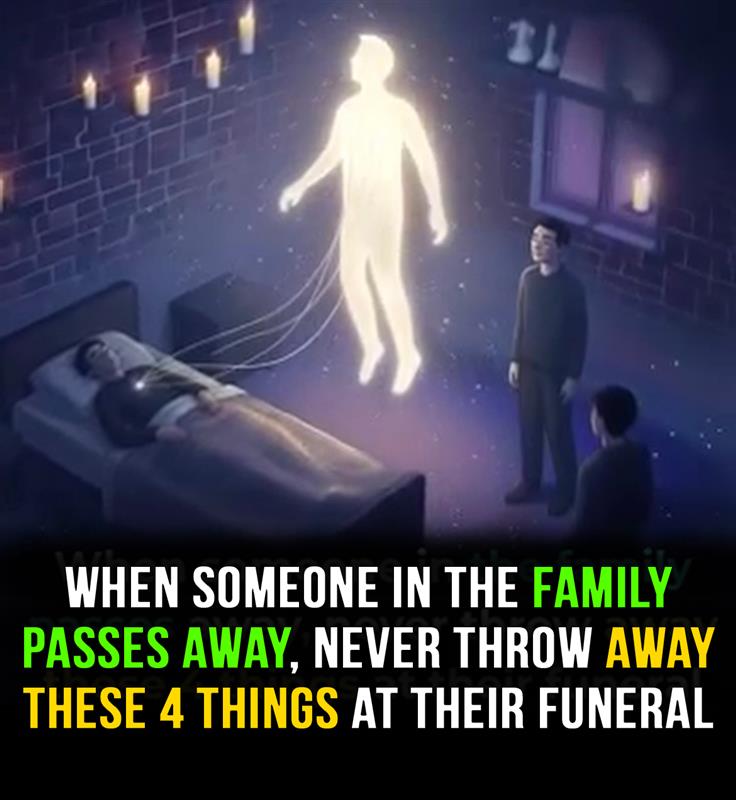
    Grief doesn’t arrive politely. It doesn’t knock, doesn’t wait, doesn’t care if you’re ready. It comes like a fog—thick enough to blur everything familiar, heavy enough to slow you down, and disorienting enough to make simple choices feel impossible. When someone you love dies, you grasp for anything that feels like control. Some people clean. Some people donate boxes of clothes before the smell of their perfume even fades. And some throw everything into trash bags because the alternative is sitting still with the ache.

    But the truth is simple: once something is gone, you can’t get it back. And some things—quiet, ordinary, unremarkable things—carry a weight you won’t understand until much later. Before you start clearing closets or emptying drawers, it’s worth pausing long enough to think. Sometimes grief tricks you into believing that simplifying will somehow soften the pain. What it actually does is rob you of the little anchors that could steady you later.

    There are four kinds of things worth keeping, even if you don’t know why yet.

    The first is handwriting. A note, a list, a birthday card, the back of an envelope with their rushed scribble on it—these scraps feel insignificant in the early days. But months or years later, when the memory of their voice feels dim, something as simple as their handwriting can hit with the force of a heartbeat. The curve of their letters, the pressure of the pen, the way they spelled a certain word wrong every time—these details bring a person back in a way polished memories can’t. Handwriting has texture. It has personality. It feels alive. Tuck these notes somewhere safe. One day, you’ll be grateful you did.

    The second thing is their voice and their face—captured in photos, videos, voicemails, anything. When grief is raw, it’s tempting to silence the world by deleting reminders or avoiding anything that feels too sharp, too real. But time changes how we experience loss. The day will come when a voicemail becomes a treasure, not a trigger. A short video clip will feel like a small miracle. You’ll notice things you had forgotten: how they laughed between sentences, how their eyes squinted just before they smiled, the rhythm of their footsteps in the background of the recording. These images and sounds preserve details your mind will eventually blur. Losing someone is painful enough; you don’t need to erase pieces of them too.

    Then there are the objects they touched—small, everyday items that once blended into the background. A worn watch. A favorite mug. A pair of glasses with tiny scratches from years of use. These items hold an emotional temperature no photograph can replicate. They carry the shape of their routine, the rhythm of their days. Holding something they held can settle you in moments of chaos. Grief makes you crave presence, and sometimes the closest thing you get to presence is touch. You don’t need to keep everything. But choose a few things that feel like them—their everyday them, not their curated holiday self. Those items become grounding stones.

    And lastly, documents. Not just the obvious practical ones—wills, insurance papers, bank information—but also the pieces of their personal history. School certificates, old letters, military records, notebooks, even receipts tucked away in drawers. These things tell a story. They show where they came from, what they achieved, what mattered to them. They become threads in the tapestry of your family’s memory. One day, someone younger may want to know who their great-grandparent was, what job they worked, what choices they made. These documents turn a life into a legacy.

    When someone dies, there is a dangerous urgency in the air. Everyone wants to be useful. Everyone wants something to “do.” Clearing out belongings becomes an easy task to latch onto. But grief isn’t a checklist. It’s not a project to finish. It’s a slow and painful education in how to love someone who is no longer physically here.

    So give yourself permission to slow down. Keep what feels like them, even if you can’t yet explain why. You don’t owe anyone an explanation for the box you keep under your bed or the mug you refuse to donate. What matters is that these objects connect you to the parts of your loved one that grief cannot erase.

    One day, you might find that the smallest thing—a keychain, a ticket stub, a messy grocery list—hits you with warmth instead of pain. Those moments remind you that grief makes space for love, not the other way around.

    People often say, “You can’t take anything with you when you go.” That may be true for the person who leaves, but those left behind carry pieces of them in ways that defy logic. A life is more than memories. It’s touch, sound, handwriting, texture, routine, history. These pieces matter. Don’t let the fog convince you otherwise.

    If you’re grieving right now, take a breath. You don’t have to sort everything today. You don’t have to make irreversible decisions in the middle of heartbreak. Keep what feels right. Put aside what you’re unsure about. You can always let go later. You can’t always get something back.

    And if you’ve carried keepsakes through your own loss, you already know how much comfort they can bring on days when the world feels colder. Your experience might be exactly what someone else needs to hear.

  • Our Neighbor Destroyed My Sons Puppys House – Karma Was Faster than Me

    Our Neighbor Destroyed My Sons Puppys House – Karma Was Faster than Me

    I never planned on owning a dog, and I definitely didn’t plan on getting into a silent war with our most uptight neighbor. But life has a sense of humor, and sometimes karma works faster than you do.

    It started one ordinary Thursday. I walked into the house after work expecting to find my 10-year-old son, Mason, sprawled on the couch with cartoons humming in the background. Instead, his backpack was abandoned in the middle of the hallway like he’d dropped it while running. Before I could call out, I heard him yelling from the back porch.

    “Mom! Hurry!”

    His voice wasn’t scared—it was urgent in that kid way where you can’t tell if he found a snake or discovered buried treasure. I followed the noise and stopped cold at the screen door.

    Mason stood there clutching his hoodie like it was a blanket for something alive. When he peeled it back, the situation became painfully clear.

    Inside was a tiny, shaking puppy—brown fur matted with dirt, ribs too visible, ears drooping like they were carrying the weight of the world. When he saw me, his tail wagged just once, hesitant but hopeful.

    “Oh, Mason…” I breathed. “You know we can’t have a dog. The lease—”

    “I know,” he cut in, voice wavering. “But he was behind the dumpsters at school. He was crying. Mom, he was freezing.”

    Right then, Dan walked in behind me, fresh from work. He looked at the puppy, then at Mason’s eyes, and I knew we were doomed.

    I sighed. “We can’t keep him. But we can help him for a few days. Outside only.”

    The transformation in my kid’s face was like flipping on a stadium light.

    That night, Mason bathed the pup in lukewarm water and dried him with an old towel. He named him Buddy. By bedtime, Buddy was asleep in Mason’s lap, snoring softly like he finally felt safe.

    The next morning, Mason woke up with a plan—and a blueprint.

    He had drawn a full architectural sketch of what he called a “luxury puppy home.” Windows. Chimney. Curtain details. A labeled “emergency cookie storage” compartment.

    Dan took one look and burst out laughing. “The kid’s an engineer.”

    So we built it that weekend. Using scrap wood, extra nails, leftover paint, and Mason’s old baby blanket, we created a sky-blue doghouse with white trim. When Buddy walked inside and curled up like he’d been waiting for it his whole life, Mason practically floated.

    It was perfect—right up until Mrs. Henderson entered the story.

    She was the kind of neighbor who vacuumed her driveway and trimmed her roses with surgical precision. Her lawn looked like it was afraid of her. She wore pearls just to check the mailbox. And she had the permanent facial expression of someone who smelled something unpleasant and blamed the entire neighborhood for it.

    The first time she saw Buddy, she froze at her fence.

    “Is that thing yours?” she demanded.

    Mason beamed. “He’s my friend! His name is Buddy!”

    “Well, your friend kept me awake last night. Yipping. Squealing. Some of us enjoy peace.”

    I apologized and explained he was only temporary. She glanced at Buddy’s little blue house like it was a condemned shack and muttered something about “circus people.”

    Great start.

    But the worst came a few days later.

    I got home early that Wednesday. Mason wasn’t on the porch. Instead, I heard quiet sobbing by the hedge. When I found him, he pointed with trembling hands.

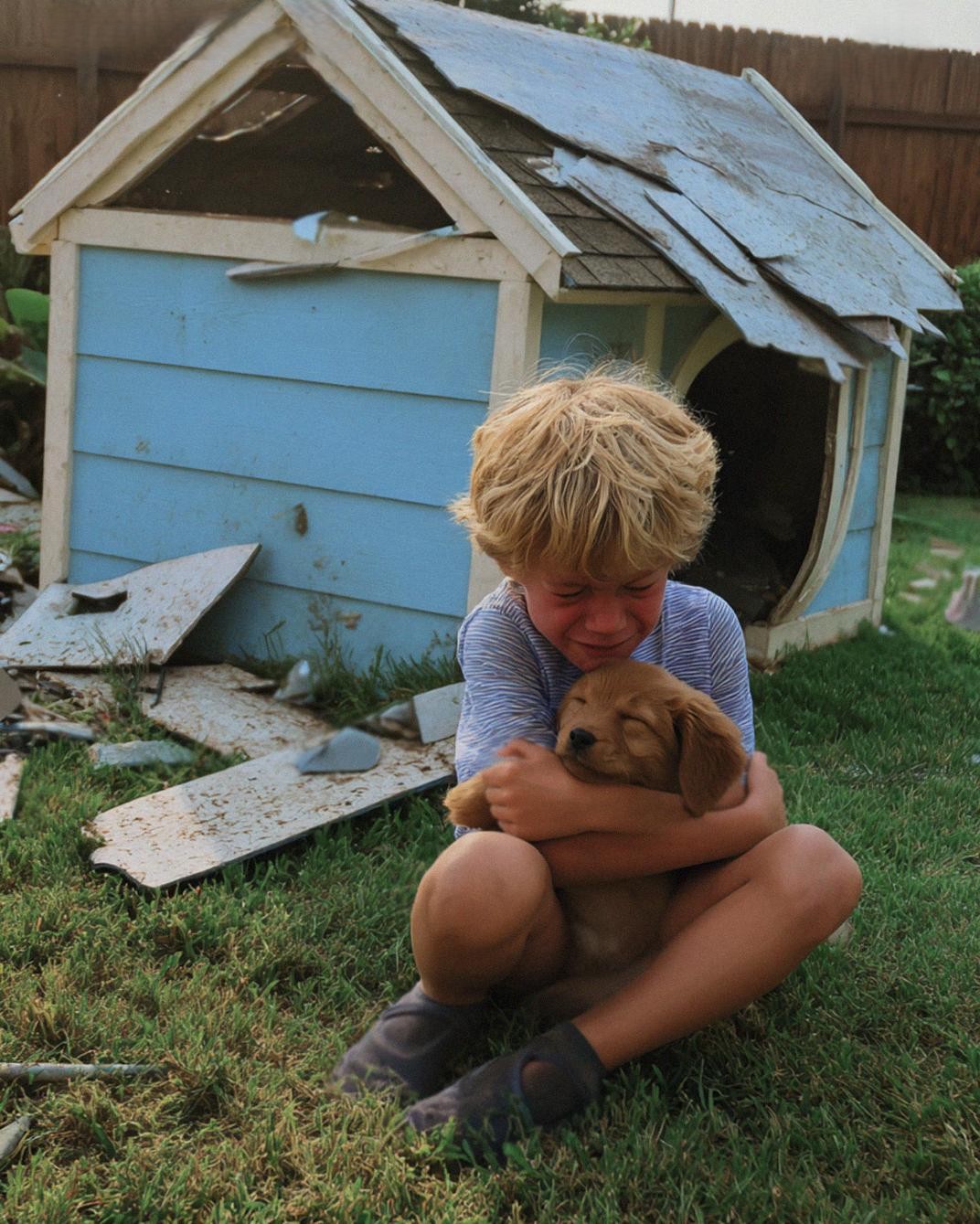
    Buddy’s house—the one we spent all weekend building—was demolished.

    Wood splintered. Roof crushed. Blanket soaked with mud. Mason’s carefully labeled cookie compartment torn open and tossed aside.

    And Buddy was nowhere.

    My son panicked, calling his name again and again. After almost an hour of searching, we found him wedged under a hedge, shaking in fear but unharmed.

    When I stood up, I noticed something that made my stomach twist—pieces of our painted wood scattered near Mrs. Henderson’s fence. Fresh drag marks in the soil. It didn’t take a detective.

    “Mom,” Mason whispered, “why would someone hurt Buddy?”

    I hugged him. “Some people don’t understand kindness, kiddo. But that doesn’t mean we stop showing it.”

    That night, we rebuilt Buddy’s house—stronger, sturdier. Mason added a handwritten sign:

    “THIS IS BUDDY’S HOME. HE IS A GOOD BOY. PLEASE DON’T BE MEAN.”

    I even wrote Mrs. Henderson a polite note explaining we were trying to rehome him soon. She never responded.

    But karma? Karma responded faster than anyone expected.

    Two nights later, during a heavy rainstorm, I came home to flashing lights reflecting off the wet pavement—an ambulance and a police cruiser outside Mrs. Henderson’s house.

    I panicked, thinking she’d reported us.

    But Dan met me at the door, eyes wide. “Buddy saved her.”

    Turns out, she’d gone outside during the storm to fuss over her roses, slipped in the mud, and hit her head on a stone border. She collapsed unconscious in the dark.

    Buddy heard the fall and went berserk—barking loud enough to shake the fences. Mason, hearing the commotion, ran outside and found her lying there. Dan called 911. Paramedics said another hour in the cold and rain could’ve killed her.

    And Buddy? He refused to leave her side until they carried her into the ambulance.

    Three days later, she came home with a bandage hidden under her hair and humility hidden in her voice. She approached Mason in the yard while Buddy chased a ball.

    “Boy,” she said stiffly, “I owe you and your… dog… an apology.”

    Mason blinked. “His name is Buddy.”

    “Yes. Buddy.” She hesitated. “He saved my life. And you did too.”

    She handed Mason a small container of cookies. “For both of you.”

    The next day, she brought a gift—a wooden plaque, hand-varnished, with roses carved around the edges.

    “Buddy’s House — Where Kindness Lives.”

    It hit me harder than I expected.

    From then on, Mrs. Henderson became a different woman. She visited often, bringing treats for Buddy or chatting with Mason about school. She started laughing—actually laughing—and her yard felt a little less like a museum and more like a place where humans lived.

    And then came the twist I never saw coming. Our landlord called.

    “Your neighbor told me everything,” he said. “The dog stays. No extra fees. Consider it a special exception.”

    Mason cried when I told him. Buddy spun in circles like he understood every word.

    Now Buddy sleeps inside, curled at the foot of Mason’s bed, while his blue house in the backyard glows with fairy lights and a plaque that catches the sun.

    What happened wasn’t punishment—it was a reminder. Kindness can change people. Sometimes it comes from a kid with a big heart. Sometimes from a dog who refuses to give up.

    And sometimes, it comes exactly when someone needs it most.