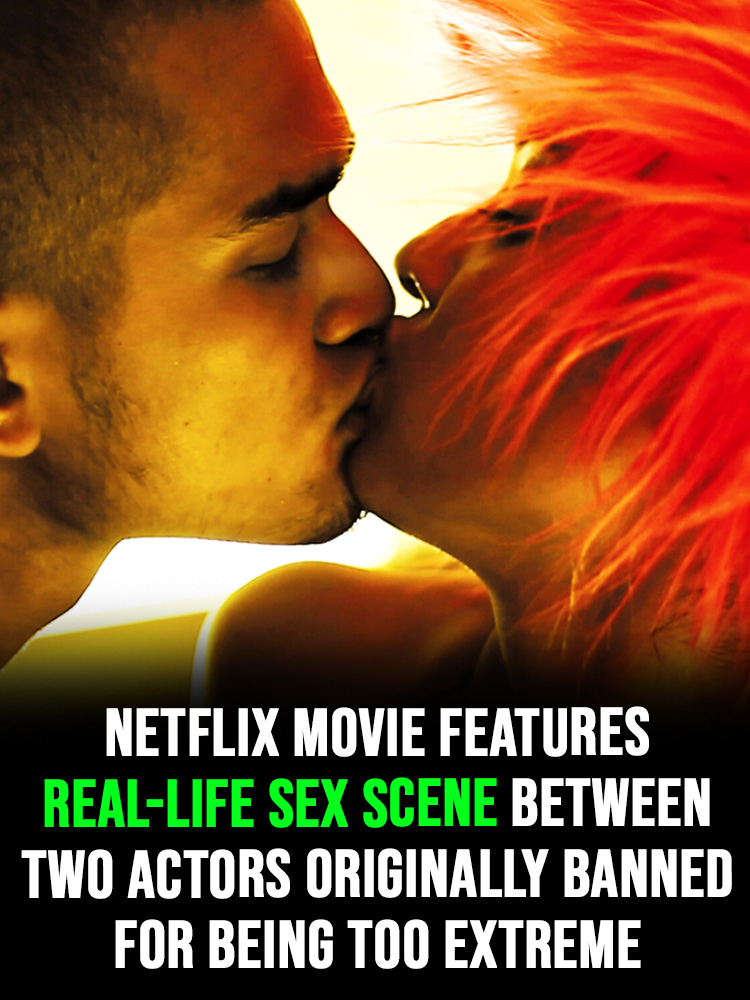
A movie that once struggled to reach audiences in its home country is drawing attention again after appearing on streaming platforms in some regions. The film, “Gandu,” has reignited debate among viewers because of its unconventional storytelling and scenes that many critics have described as extremely provocative.
A Film That Challenged Traditional Cinema
Directed by Indian filmmaker Qaushiq Mukherjee, the film first premiered in 2010 and quickly stood out for its raw and experimental style.
Shot in black-and-white, the story follows a frustrated young rapper navigating life in an underground music scene. The character lives in a chaotic environment, secretly taking money from his mother’s partner while trying to escape his circumstances through music, substance use, and rebellious behavior.
The movie’s gritty aesthetic and unpredictable narrative were designed to reflect the inner turmoil and anger of its main character.
However, it wasn’t just the storyline that made the film controversial.
The Scene That Sparked Intense Reactions
Much of the global attention surrounding the film focused on a particular scene involving the two lead actors, Anubrata Basu and Rii Sen.
The moment in question appears to show unsimulated intimacy between the actors on screen—something rarely depicted in narrative filmmaking.
Director Qaushiq Mukherjee later explained that the performers had known each other for years and were aware of the film’s artistic direction before filming the scene.
Despite this explanation, the reaction at early screenings was strong.
During some festival showings, viewers reportedly walked out of the theater, and the film quickly gained a reputation for pushing boundaries.
Difficulties Releasing the Film in India
Because of its explicit content, “Gandu” struggled to obtain a theatrical release in India, where censorship rules for cinema are relatively strict.
For several years the movie circulated mainly through international film festivals and underground screenings, where it developed a niche following among fans of experimental cinema.
While some critics viewed the film as bold and artistically daring, others believed the explicit material overshadowed the story itself.
Critical Reception Abroad
Despite the controversy, the film did receive praise in some circles.
Industry publication Variety described it as a high-energy and unconventional work that stands apart from mainstream filmmaking. Critics highlighted its fast pacing, striking visuals, and rebellious tone.
Supporters argue that the movie deliberately challenges traditional storytelling and reflects the chaotic spirit of underground youth culture.
Streaming Brings the Film Back Into Discussion
Now that “Gandu” has appeared on streaming platforms in certain regions, the conversation around the film has resurfaced.
Streaming services often give previously banned or hard-to-find movies a second life, exposing them to audiences who may not have encountered them during their original release.
Online reactions remain divided. Some viewers admire the film’s fearless artistic approach, while others feel its provocative moments are unnecessarily extreme.
More than a decade after its premiere, the movie continues to spark debate about creative freedom, censorship, and the boundaries of artistic expression.
As streaming platforms continue expanding global access to independent and controversial films, discussions like this one are likely to continue.
Leave a Reply