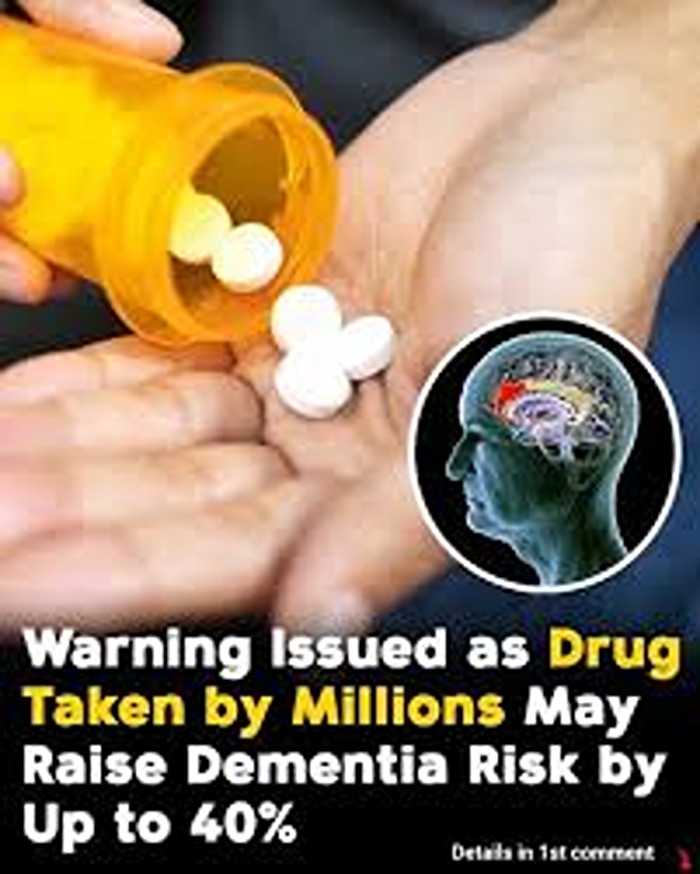
The pharmaceutical landscape is often defined by a delicate balance between immediate relief and long-term risk, a tension that has recently centered on one of the most widely prescribed medications in the modern medical arsenal: gabapentin. Once a specialized drug relegated to the treatment of epilepsy, gabapentin—sold under brand names like Neurontin and Gralise—has evolved into a ubiquitous solution for a staggering array of conditions. From the sharp, electric shocks of shingles-related nerve pain to the dull, persistent ache of chronic lower back issues and sciatica, millions of patients have turned to this blue-and-white capsule as a beacon of hope. However, a significant body of emerging research is now casting a shadow over this common treatment, suggesting a potential and unsettling link between prolonged gabapentin use and a heightened risk of developing dementia.
To understand the weight of these findings, one must first look at the meteoric rise of gabapentin. Originally approved by the FDA in the 1990s as an anticonvulsant, its utility quickly expanded into the realm of “off-label” use. Doctors found it effective for everything from hot flashes and restless leg syndrome to anxiety and, most notably, chronic pain. As the medical community sought alternatives to highly addictive opioids, gabapentin was championed as a safer, non-narcotic option. This led to a prescription explosion, making it one of the top ten most prescribed medications in the United States. Yet, as the drug became a staple in medicine cabinets across the globe, the long-term cognitive implications of dampening neural activity began to surface in the hallowed halls of medical research.
The catalyst for this renewed scrutiny is a comprehensive study conducted by researchers at Case Western Reserve University. By meticulously mining a massive database of more than 26,000 American medical records spanning a twenty-year period from 2004 to 2024, the team sought to identify patterns that might have been missed in smaller, short-term clinical trials. Their findings were striking: patients who had filled six or more prescriptions for gabapentin over the course of the study period showed a 29% increased risk of being diagnosed with dementia compared to those who did not use the medication. This statistic has sent shockwaves through both the patient community and the halls of geriatric medicine, raising a fundamental question: is the price of physical relief a gradual erosion of cognitive clarity?
The mechanism behind this association remains a subject of intense scientific debate. Gabapentin works by mimicking the neurotransmitter GABA (gamma-aminobutyric acid), which essentially acts as a “braking system” for the brain. By slowing down overactive nerve signals, the drug reduces the sensation of pain and prevents seizures. However, the brain is an exquisitely balanced ecosystem. When the neural “brakes” are applied consistently for years, researchers worry that the brain’s plasticity—its ability to form new connections and repair itself—may be compromised. There is a growing concern that by quieting the nerves to stop pain, the drug may also be quieting the very processes that keep the mind sharp and resilient against the plaques and tangles associated with Alzheimer’s disease and other forms of cognitive decline.+1
Despite the alarming nature of the 29% figure, the scientific community is quick to provide a necessary dose of nuance. Experts emphasize that an “association” or “correlation” is not the same as “causation.” Dr. Leah Mursaleen, a prominent voice at Alzheimer’s Research UK, has pointed out several critical caveats in the data. For instance, the study did not have access to specific dosage levels or the exact duration of each treatment cycle. Furthermore, every participant in the study was already suffering from chronic pain. Chronic pain is itself a thief of cognitive health; the stress, lack of sleep, and social isolation that accompany long-term physical suffering are independent risk factors for dementia. Separating the effects of the drug from the effects of the condition it is treating remains one of the greatest challenges in medical statistics.+1
Professor Tara Spires-Jones of the University of Edinburgh has added another layer of complexity to the discussion by highlighting the role of physical activity. Patients who require gabapentin for debilitating back pain or sciatica are significantly less likely to engage in regular exercise. It is a well-established medical fact that cardiovascular health is directly tied to brain health. If a patient is sedentary because their back hurts, their risk for dementia rises naturally. Therefore, the question remains: is gabapentin the culprit, or is it merely a marker for a lifestyle necessitated by chronic illness? This ambiguity is why many clinicians are calling for more controlled, prospective studies that can isolate these variables with greater precision.
For the millions of people currently taking gabapentin, these headlines can be paralyzing. Chronic pain is not merely an inconvenience; it is a life-altering force that can lead to depression and functional disability. For many, gabapentin provided the first semblance of a normal life they had experienced in years. The thought of discarding a primary source of relief due to a statistical risk is a daunting prospect. This is why medical professionals strongly advise against stopping the medication abruptly. Withdrawing from gabapentin without medical supervision can lead to severe side effects, including rebound pain, anxiety, and in some cases, seizures. Instead, this new research should serve as a prompt for a transparent and honest conversation between patients and their healthcare providers.+1
The broader implication of the Case Western study is a call for a more holistic approach to pain management, especially in an aging population. As we live longer, the cumulative impact of the medications we take becomes a critical factor in our quality of life. The “pill for every ill” philosophy is increasingly being challenged by evidence that our interventions have echoes that last for decades. Moving forward, the goal for the medical community will be to identify the “goldilocks zone” for gabapentin use—utilizing it for acute flares or short-term recovery while exploring non-pharmacological alternatives for long-term maintenance. Physical therapy, cognitive behavioral therapy for pain, and anti-inflammatory lifestyle changes may need to take a more central role in the treatment plan to mitigate the need for high-dose, long-term pharmaceutical intervention.
As the research continues to evolve, the story of gabapentin serves as a powerful reminder of the complexities of modern medicine. It is a drug that has eased immeasurable suffering, yet it may also carry a silent, delayed cost. The 29% increase in dementia risk identified in the latest data is a significant red flag that cannot be ignored, but it is also a starting point for deeper investigation rather than a definitive verdict. For now, the best defense for patients is a combination of vigilance and balance. By staying informed, maintaining the lowest effective dose, and prioritizing cardiovascular health, those managing chronic pain can work to protect their physical comfort without sacrificing the long-term health of their minds. The cloud over gabapentin is a prompt for us to look closer, ask better questions, and remember that the most effective medicine is the one that considers the whole person, both today and twenty years into the future.
Leave a Reply