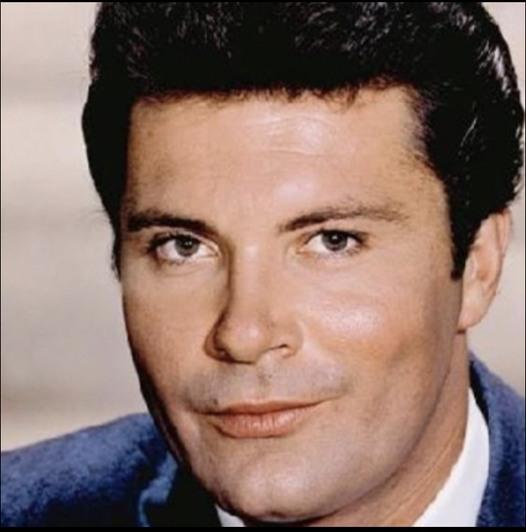
The golden age of television comedy is often remembered through the lens of a few towering classics, and at the summit of that mountain sits The Beverly Hillbillies. Premiering in 1962, the show achieved a feat of cultural dominance that remains staggering by modern standards, skyrocketing to the top of the Nielsen ratings within just three weeks of its debut. It was a fish-out-of-water tale that captured the American imagination, running for nine seasons and producing 274 episodes of comedic history. Today, as the dust of decades has settled, only one primary resident of the Clampett estate remains to tell the story. Max Baer Jr., the man who brought the lovable, dimwitted Jethro Bodine to life, stands as the final living bridge to a legendary era of broadcasting. At 85 years old, his journey is a masterclass in resilience, reinvention, and the enduring power of a single iconic role.
Born in Oakland, California, in 1937, Max Baer Jr. entered the world with a surname already etched in the annals of American greatness. His father was the legendary Max Baer, the heavyweight boxing champion of the world, whose charisma and physical prowess loomed large over the boy’s upbringing. However, young Max was drawn to a different kind of stage. Despite his athletic build and lineage, he pursued academic and business interests, earning a degree from Santa Clara University. When he eventually moved to Los Angeles, it wasn’t to follow his father into the ring, but to find his own way in the burgeoning world of entertainment.
The story of how he became Jethro Bodine is one of Hollywood’s great strokes of serendipity. With no formal acting training to his name, Baer Jr. walked into an open audition for a new sitcom about mountaineers who strike oil and move to California. To prepare, he studied the distinct southern cadences of Andy Griffith and the improvisational genius of Jonathan Winters, molding a voice that felt both authentic and absurdly charming. His portrayal of Jethro—a character whose enthusiasm was matched only by his profound lack of common sense—was a revelation. Baer Jr. understood the assignment with rare humility, famously remarking that it made no difference to him if the audience was laughing with him or at him, so long as they were laughing.
However, the very success that made him a household name eventually became a golden cage. When The Beverly Hillbillies took its final bow in 1971, the industry was reluctant to see Baer Jr. as anything other than the six-foot-four simpleton from the hills. This phenomenon, known as typecasting, has ended many careers, but Baer Jr. possessed a business acumen that his on-screen counterpart could only dream of. Realizing that he might never be cast as a dramatic lead, he pivoted behind the camera. He took on the roles of producer, writer, and director, determined to prove that his intellect was as sharp as Jethro’s was dull.
This gamble paid off in spectacular fashion in 1974 with the release of Macon County Line. Produced on a shoestring budget of roughly $225,000, the gritty drama tapped into the cultural zeitgeist and became the most profitable independent film of the year, grossing tens of millions of dollars. It was a stunning vindication for Baer Jr., proving to the Hollywood establishment that he was a formidable creative and financial force. He continued this streak with films like The Ode to Billy Joe, solidifying his reputation as a man who knew exactly how to capture the interest of the American public.
Yet, his heart never fully left the world of the Clampetts. In 1991, displaying a visionary’s foresight, he purchased the sub-licensing rights to the Beverly Hillbillies brand from CBS. His goal was ambitious: he wanted to translate the nostalgia of the show into a tangible experience through themed casinos and amusement parks. He envisioned “Jethro’s Beverly Hillbillies Mansion & Casino,” a place where fans could step into the world of the show while enjoying modern gaming and hospitality. Unfortunately, this venture became a decades-long saga of legal attrition. Baer Jr. faced a grueling series of hurdles, including zoning disputes and a high-profile lawsuit against CBS in 2014 over development rights. While the full realization of his themed empire was hampered by these courtroom battles, his entrepreneurial tenacity became a point of admiration for those who followed his career.
In his personal life, Baer Jr. experienced the same mixture of triumph and tragedy that defined his professional path. His marriage to Joanne Kathleen Hill in 1966 ended in divorce the same year the show concluded, marking a clean break from that chapter of his life. Later, he found deep companionship with model Chere Rhodes, but their relationship was tragically cut short by her passing in 2008. Through these periods of grief and transition, Baer Jr. maintained a stoic and graceful presence, often appearing at fan conventions and retrospectives to celebrate the show that started it all. He has never been bitter about the shadow Jethro cast over his life; instead, he has leaned into the legacy, acknowledging that his entire career was built on the foundation of that one “dimwitted” role.
As he navigates his mid-eighties, Max Baer Jr. remains a figure of great vitality and wit. He is more than just a survivor; he is a custodian of a specific kind of American joy. When he speaks of his castmates—Buddy Ebsen, Irene Ryan, and Donna Douglas—he does so with the warmth of a man who knows he was part of something magical. He represents a time when television was a unifying force, a shared language that brought families together every week to laugh at the absurdities of the human condition.
His legacy is one of remarkable versatility. He was the son of a fighter who learned how to dodge the punches of a fickle industry. He was an actor who became a business mogul, and a producer who understood the pulse of the heartland. While the “Jethro” casinos might not dot the landscape as he once dreamed, the brand itself remains alive in the cultural consciousness largely due to his efforts to keep the name relevant.
Today, Max Baer Jr. lives a relatively quiet life, but his influence echoes through every sitcom that attempts to find humor in the collision of different social worlds. He proved that you can be typecast and still be a titan, and that you can play a fool on television while being the smartest man in the boardroom. As the last living Hillbilly, he carries the mantle with a wink and a smile, a living reminder that while titles and degrees are fine, true greatness is found in the ability to make a nation laugh—and the wisdom to know exactly what that laughter is worth.