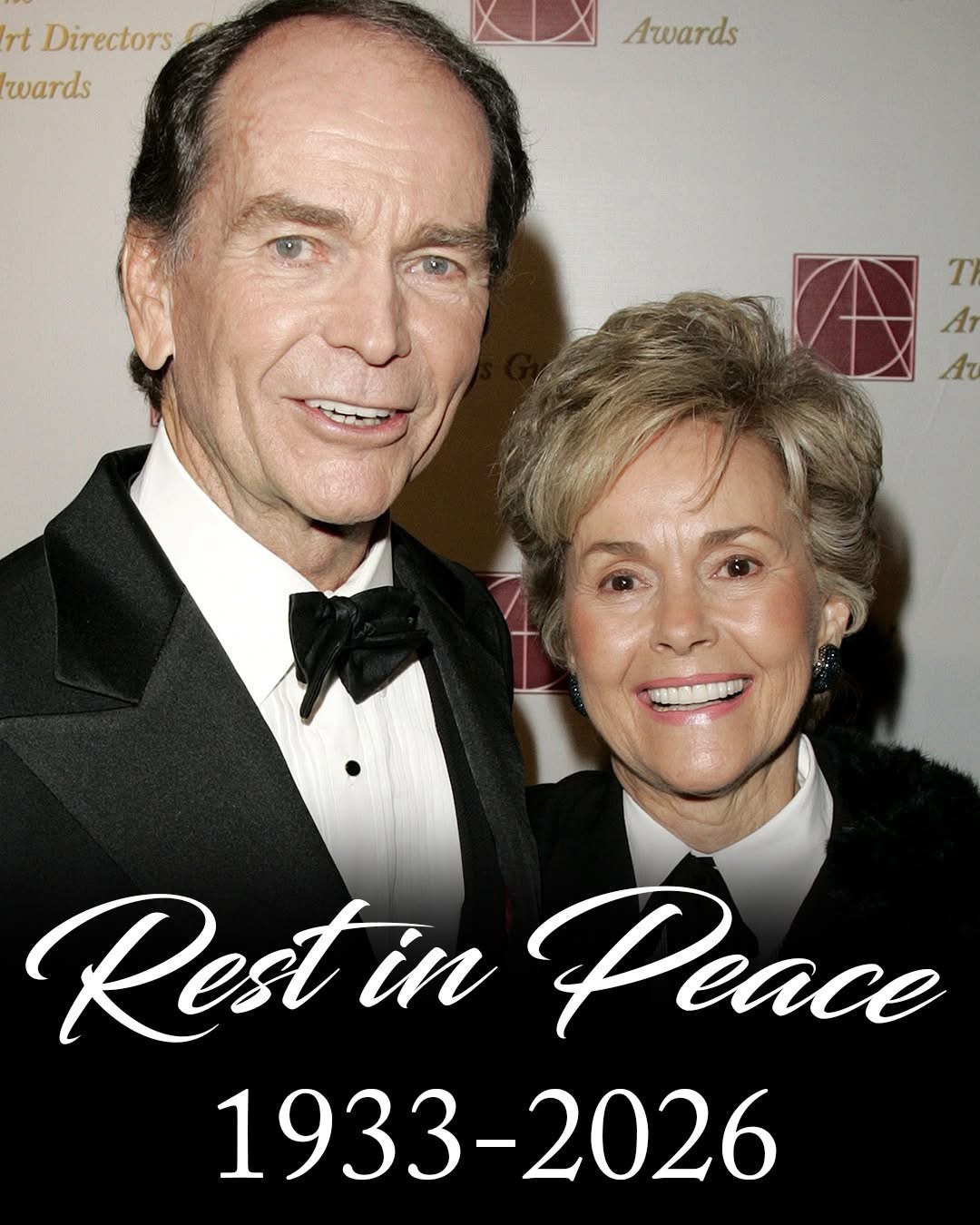
Hollywood is saying goodbye to one of its enduring faces from the golden age of television. Lory Patrick, an actress, writer, and former model, passed away peacefully at her home in Gettysburg, Pennsylvania, on January 26, 2026, at the age of 92. She was surrounded by family and close friends. Her passing marks the end of an era for fans who remember the warmth, charm, and dedication she brought to television during a career that spanned decades.
Early Life and Beginnings
Born Loretta Basham on April 8, 1933, in Beckley, West Virginia, Patrick grew up in a small-town environment shaped by family values and determination. After graduating high school, she moved to Detroit, where she began modeling and quickly gained recognition for her professionalism and presence. However, her ambitions extended beyond modeling, and she soon set her sights on acting.
She later moved to New York City, where she faced rejection early on. One producer dismissed her by saying pretty girls could not act. Rather than discouraging her, the rejection motivated her to prove otherwise. She moved to Los Angeles, and within just days, she secured her first television role on The Loretta Young Show, marking the start of her acting career.
Television Career and Recognition
Patrick became widely recognized for her role as schoolteacher Tina Swenson on NBC’s hit Western series Tales of Wells Fargo. Her performance alongside Dale Robertson helped establish her reputation as a talented and reliable television actress.
Over the course of the 1960s, she appeared in more than 70 television roles. She guest-starred in several iconic shows, including:
- Bonanza
- Wagon Train
- Dr. Kildare
- The Adventures of Ozzie and Harriet
- The Many Loves of Dobie Gillis
Her versatility allowed her to portray a wide range of characters, earning admiration from audiences across America.
Film Work and Creative Contributions
In addition to television, Patrick appeared in films such as:
- Surf Party (1964)
- How to Succeed in Business Without Really Trying (1967)
She also broke barriers by working as a television writer, contributing scripts to Bonanza. At a time when few women were writers in television, this achievement highlighted her creative versatility.
Later in life, she became a columnist and authored a faith-based book titled Hearing God in 1993. She also directed stage productions, demonstrating her wide-ranging artistic talents.
Personal Life and Marriage
Patrick married Disney actor Dean Jones in 1973. Their marriage lasted more than four decades until his death in 2015. Together, they were active in ministry and humanitarian work, including involvement in the Christian Rescue Fund.
Earlier in her life, she had briefly been married to writer Harlan Ellison. However, her marriage to Jones became the defining partnership of her personal life.
Later Years and Legacy
After retiring from acting, Patrick focused on family, faith, writing, and community service. Following her husband’s death, she moved to Gettysburg, Pennsylvania, to be closer to her children and grandchildren. She is survived by:
- Three children
- Eight grandchildren
- Nine great-grandchildren
- Several siblings
Her life reflected dedication not only to entertainment but also to faith and family.
Impact and Historical Significance
Patrick’s career represents an important era in television history. She contributed both as an actress and writer, helping pave the way for future women in the industry. Her performances were remembered for their authenticity, warmth, and emotional depth.
For fans of classic television, she remained a symbol of the golden age of American TV, when storytelling focused on character, integrity, and emotional connection.
Conclusion
Lory Patrick’s passing at age 92 marks the loss of a respected figure in television history. Her legacy extends beyond acting, encompassing writing, mentorship, family, and faith. Her work continues to inspire audiences, and her contributions to television remain part of Hollywood’s enduring legacy.