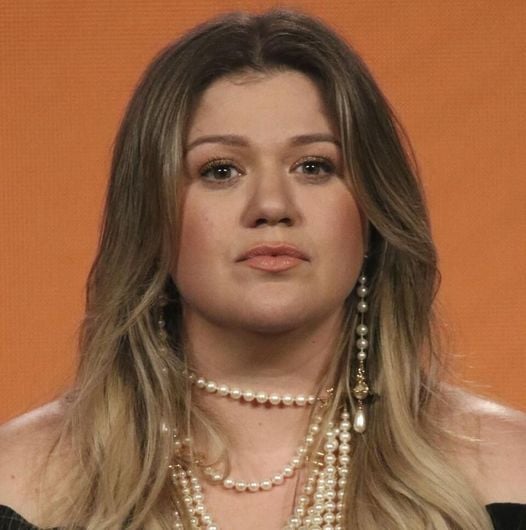
In the ever-evolving landscape of modern parenting, few topics ignite as much visceral debate as the methods used to discipline the next generation. At the center of this cultural firestorm is the practice of corporal punishment, a tradition that has shifted from a societal norm to a deeply polarizing point of contention. While the 21st century has seen a significant move toward “gentle parenting” and positive reinforcement, a vocal segment of the population continues to advocate for the disciplinary tactics of their own youth. This conversation reached a fever pitch when Kelly Clarkson, the global pop icon and beloved daytime talk show host, stepped into the fray with a characteristically candid admission: she is “not above spanking” her children when they cross the line into serious misbehavior.
Kelly Clarkson has long been heralded as one of the most relatable figures in the entertainment industry. Since she first captured the world’s attention as the inaugural winner of American Idol, her brand has been built on a foundation of “what you see is what you get.” This authenticity has followed her into motherhood as she navigates the complexities of raising her daughter, River Rose, and her son, Remy. Unlike the curated, seemingly perfect lives often projected by celebrities on social media, Clarkson has never shied away from the messy, frustrating, and unglamorous realities of parenting. It was this very commitment to honesty that led her to discuss her approach to discipline, sparking a national dialogue that transcends the boundaries of her fan base.
Clarkson’s defense of spanking is deeply rooted in her own upbringing in the South, where she says corporal punishment was a standard part of the disciplinary toolkit. For many who share her perspective, the argument is often framed as a matter of respect and boundaries. They contend that a physical deterrent serves as a clear, immediate consequence for behavior that is dangerous or habitually defiant. In Clarkson’s view, her parents’ use of spanking didn’t lead to trauma; rather, she credits it with instilling a sense of accountability and helping her “turn out fine.” This “heritage of discipline” is a common theme among proponents, who often feel that modern alternatives lack the necessary weight to truly correct a child’s course.
However, this traditional viewpoint stands in stark contrast to the overwhelming consensus of the medical and psychological communities. Organizations such as the American Academy of Pediatrics (AAP) and the American Psychological Association (APA) have issued increasingly stern warnings against the use of spanking. These experts point to decades of longitudinal research suggesting that corporal punishment is not only ineffective in teaching long-term self-regulation but may actually be counterproductive. Studies have indicated that physical discipline can lead to increased aggression in children, a higher risk of mental health struggles like anxiety and depression, and a strained bond between parent and child. The medical community’s shift away from spanking is based on the belief that children learn more through modeling and clear communication than through fear-based consequences.+2
The backlash to Clarkson’s comments highlights the deep divide between these two schools of thought. On social media platforms and parenting forums, the reaction was swift and multifaceted. Many parents rallied to her side, thanking her for her bravery in speaking about a “taboo” subject and expressing their own frustrations with “soft” modern parenting styles. Conversely, child advocates and developmental specialists criticized the singer, arguing that a public figure with her reach has a responsibility to promote evidence-based practices. They worry that her endorsement of spanking provides a “celebrity seal of approval” for a practice that they view as fundamentally harmful to a child’s development.
The controversy also brings to light the regional and cultural nuances of parenting in America. In many parts of the country, particularly in the South and Midwest, spanking remains a culturally accepted and even expected part of raising children. In these communities, the refusal to use corporal punishment is sometimes viewed as a sign of permissive parenting or a lack of authority. Clarkson, by being open about her choices, became an accidental spokesperson for this demographic, reinforcing the idea that “traditional values” still hold weight in a rapidly changing world. Yet, as the legal and social landscape shifts—with some countries going as far as to ban corporal punishment entirely—the debate becomes about more than just a smack; it becomes a debate about human rights and the definition of a child’s bodily autonomy.
Behind the headlines, the reality of Clarkson’s household is likely more nuanced than a single soundbite suggests. Like any parent, she is faced with the daily challenge of balancing love with structure. She has often spoken about the “strong-willed” nature of her children and the exhausting work of maintaining order while encouraging their individuality. For Clarkson, the decision to use physical discipline is not a first resort but a final boundary, a way to signal that certain lines are non-negotiable. Whether or not one agrees with her methods, her transparency has forced a conversation about the “parenting guilt” that many feel when their reality doesn’t align with the “perfect” advice of the experts.
This dialogue also underscores the immense pressure placed on modern parents. We live in an era of information overload, where every decision—from screen time to diet to discipline—is scrutinized and debated. Celebrities like Clarkson, who choose to be open about their lives, become the lightning rods for this collective anxiety. When she speaks about spanking, she isn’t just talking about her own children; she is tapping into a broader cultural struggle to define what it means to be a “good” parent in an age of uncertainty. Is it better to be a friend or an authority figure? Is fear a legitimate tool for safety, or is it a barrier to emotional intimacy?
As River Rose and Remy grow older, the nature of their discipline will inevitably change. The challenges of a toddler’s tantrum are vastly different from the complexities of adolescence, and Clarkson’s “not above it” stance will likely be tested by new phases of growth. What remains constant, however, is the public’s fascination with how we shape the humans of tomorrow. The “Kelly Clarkson Spanking Debate” is a microcosm of a larger societal shift, a tug-of-war between the weight of tradition and the evolution of empathy. It serves as a reminder that parenting is rarely black and white; it is a gray area filled with personal history, cultural pressure, and the desperate hope of every parent to do right by their child.
Ultimately, Kelly Clarkson’s candid admission has done what she does best: it has started a conversation. By refusing to hide her practices behind a facade of perfection, she has encouraged other parents to think critically about their own methods. Whether the world agrees with her or not, her honesty provides a window into the diverse and often contradictory ways that we approach the most important job on earth. The debate over spanking will undoubtedly continue for generations to come, but as long as public figures like Clarkson remain willing to speak their truth, the conversation will remain vibrant, challenging, and undeniably human.
Leave a Reply