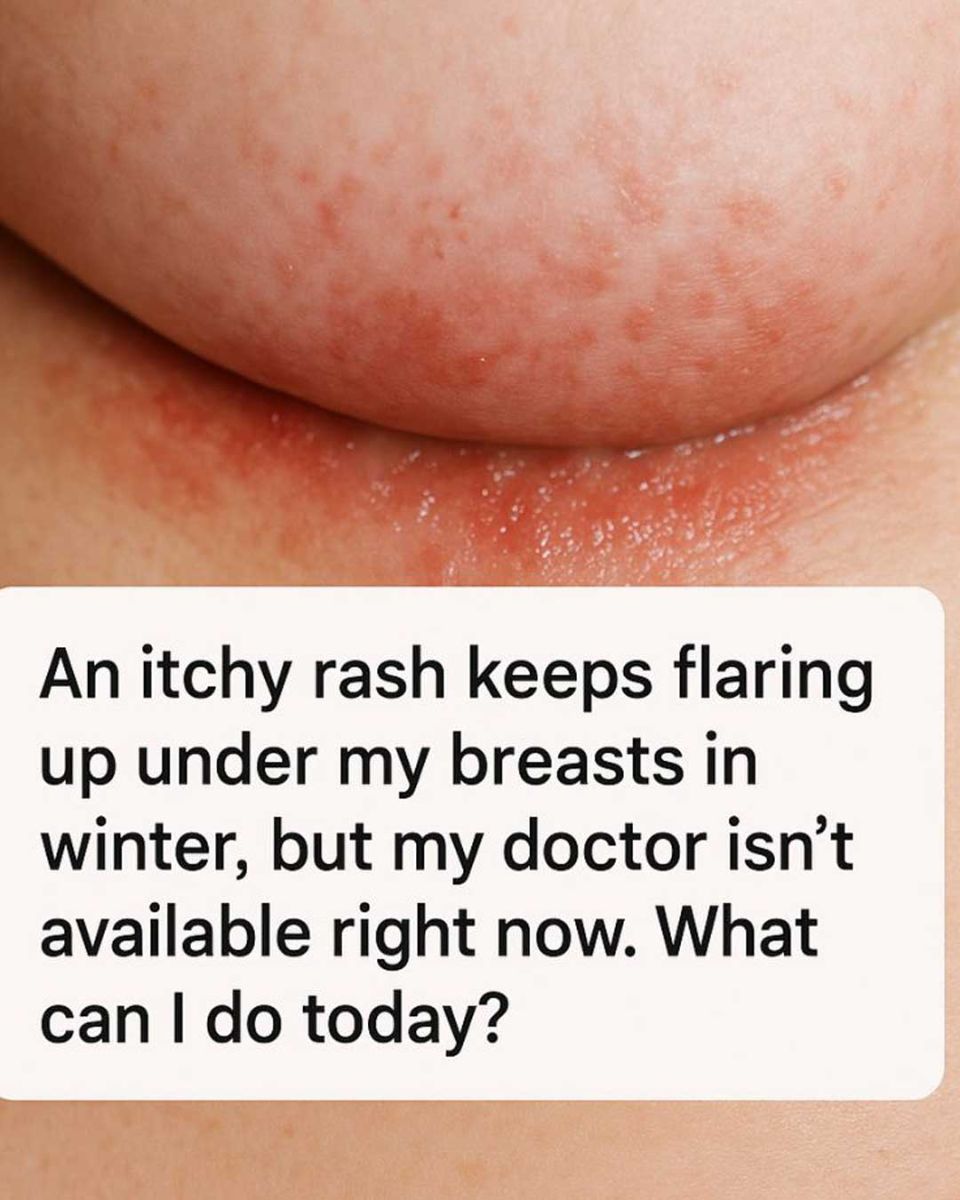
As the frost of January 2026 settles over the landscape and indoor heating systems hum to life, the human body undergoes a series of subtle but significant physiological shifts. While many focus on the drying effects of winter on the face and hands, there is a clandestine discomfort that often arises in the hidden folds of the body. Among the most frustrating and persistent of these seasonal ailments is the development of itchy, red rashes under the breasts. In the medical community, this condition is frequently identified as intertrigo, an inflammatory process that occurs when skin-to-skin friction, heat, and trapped moisture converge to create a localized crisis of the dermal barrier.1 Though the air outside may be biting and dry, the microclimate beneath winter layers of wool and flannel can become unexpectedly humid, providing a fertile breeding ground for irritation and infection.
Understanding the anatomy of a winter rash is the first step toward reclaiming physical comfort. Intertrigo thrives in the “intertriginous” zones—places where skin surfaces rub together.2 During the winter months, we often overcompensate for the cold by wearing heavy, non-breathable fabrics. This leads to localized sweating that cannot easily evaporate. When this moisture is trapped against the skin, the protective outer layer of the epidermis, known as the stratum corneum, begins to soften and break down. This process, called maceration, leaves the skin vulnerable to the dual threats of mechanical friction and microbial overgrowth. If you notice a persistent redness accompanied by itching, a burning sensation, or even a faint, musty odor, you are likely witnessing the early stages of a biological imbalance that requires immediate and strategic intervention.
The management of such a rash is a delicate dance between hygiene and protection. The primary directive for anyone suffering from under-breast irritation is the maintenance of a dry, clean environment.3 However, the method of cleaning is just as important as the frequency. During the winter, the skin is already prone to sensitivity, so aggressive scrubbing is the enemy of healing.4 One should use lukewarm water—avoiding the scalding temperatures that are so tempting during a cold morning—and a mild, fragrance-free cleanser. Once the area is clean, the “pat-dry” method is essential. Rubbing the skin with a coarse towel can cause micro-tears that invite bacteria or yeast to settle deeper into the tissue.5 For those with particularly deep skin folds, using a hairdryer on a “cool” setting can ensure that every trace of moisture is banished before dressing.+2
Once the skin is dry, the next objective is to provide a physical barrier. Barrier creams containing zinc oxide or petrolatum ointment act as a shield, preventing the opposing skin surfaces from further aggravating the raw area.6 Think of this as a protective “second skin” that allows the damaged epidermis beneath it to regenerate without being constantly assaulted by the friction of movement or the salt in sweat. If the rash presents with a bright red, “satellite” pattern—small red spots spreading out from the main patch—it may indicate a secondary yeast infection, specifically Candidiasis.7 In these instances, over-the-counter antifungal creams like clotrimazole or miconazole can be applied twice daily.8 It is a common mistake to use cornstarch to dry out a yeast-based rash; however, yeast actually feeds on the carbohydrates in cornstarch, which can inadvertently fuel the fire of the infection.+2
The choice of winter attire plays a pivotal role in the prevention and recovery of under-breast intertrigo. While synthetic thermals are excellent for wicking sweat during high-intensity exercise, they can sometimes trap heat too effectively during a sedentary day at the office or home. Transitioning to high-quality cotton or specialized moisture-wicking fabrics in your undergarments can significantly alter the microclimate of the skin. A thin, breathable cotton camisole worn beneath a heavier sweater can act as a buffer, absorbing moisture before it has the chance to settle into the skin folds. Furthermore, ensuring that bras are correctly fitted is vital; a bra that is too tight can cause chafing, while one that is too loose fails to provide the lift necessary to keep the skin surfaces separated.
In addition to topical treatments and wardrobe adjustments, environmental factors should be considered. The dry, recycled air of indoor heating can strip the skin of its natural oils, making it more brittle and prone to cracking.9 Utilizing a humidifier in the bedroom can help maintain a healthy level of ambient moisture for the skin’s overall health, while simultaneously ensuring that you don’t overheat the house. Shorter, cooler showers are also recommended, as long, hot baths can further compromise the skin’s lipid barrier, making the intertriginous zones even more reactive to friction throughout the day.10+1
While most cases of winter intertrigo can be managed with diligent home care, it is crucial to recognize the “red flags” that necessitate a professional medical evaluation. If the rash is accompanied by a fever, if the redness is spreading rapidly across the torso, or if you notice the formation of pus-filled blisters or open sores, the condition may have evolved into a bacterial infection like cellulitis or impetigo. These require prescription antibiotics and cannot be cured with barrier creams alone. It is wise to document the progression of the rash with clear photographs and a log of which products you have used; this information is invaluable to a dermatologist or primary care physician in making an accurate diagnosis and tailoring a treatment plan.
The “Quiet Reset” of our daily habits during the colder months often involves a focus on internal warmth and comfort, but we must not neglect the external health of our largest organ. An itchy under-breast rash is more than a minor nuisance; it is a signal from the body that its primary line of defense is under duress. By adopting a proactive routine of gentle cleansing, thorough drying, and the strategic use of barrier protections, the discomfort of winter skin can be mitigated.
Ultimately, the goal is to navigate the season with a sense of ease and well-being. The winter of 2026 should be remembered for its crisp mornings and cozy evenings, not for the frustration of a preventable skin ailment. Consistent care, the right choice of fabrics, and a keen awareness of your body’s signals will ensure that you remain comfortable in your own skin, no matter how many layers you need to wear to stay warm. Relief is often found in the simplest of changes—a softer towel, a milder soap, or the decision to choose cotton over lace. With these tools in hand, you can move through the winter months with confidence, knowing that you have the knowledge to protect and heal yourself.