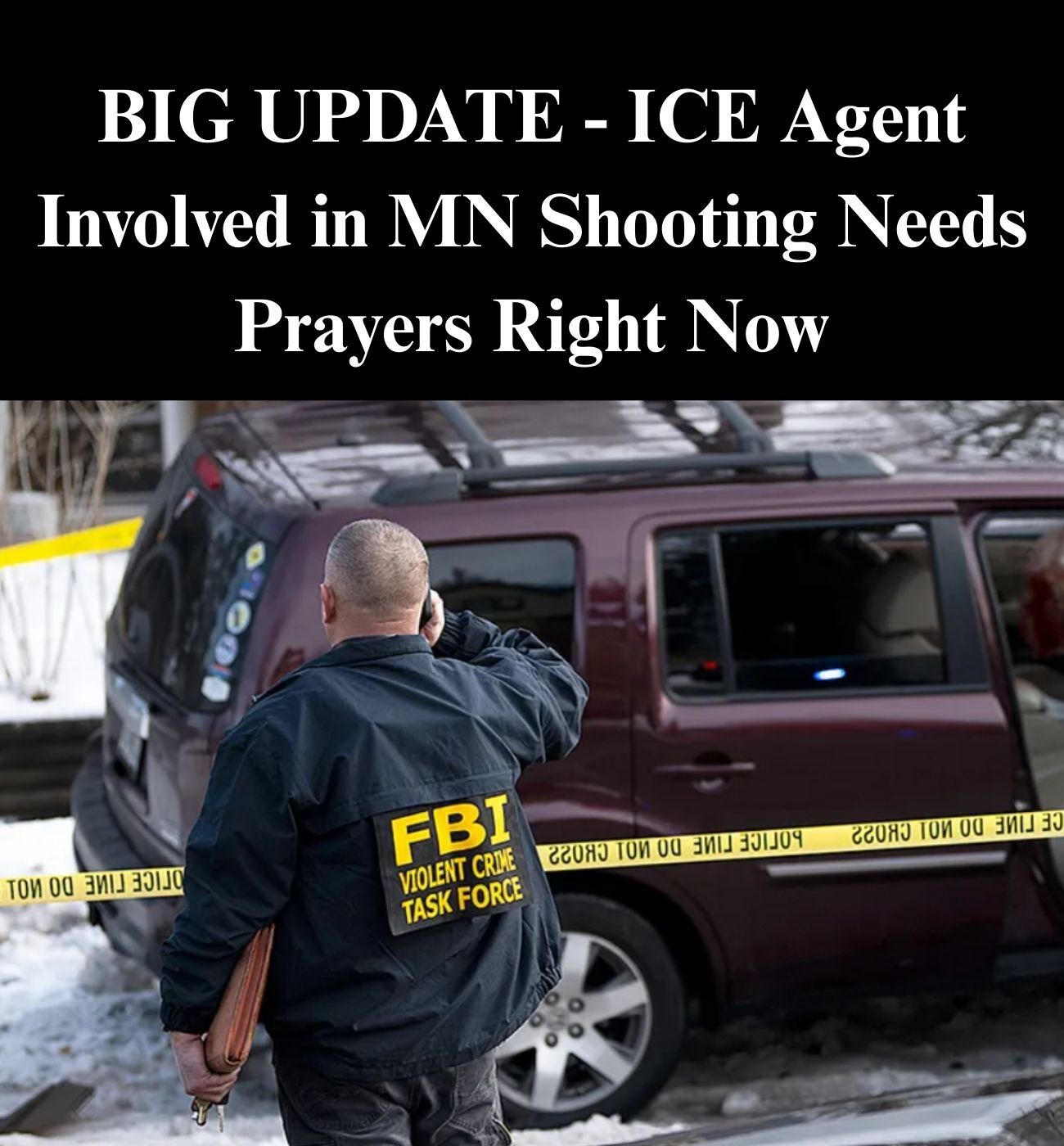
The fallout from a fatal shooting in Minneapolis continues to intensify, as the Immigration and Customs Enforcement agent involved is now living under heavy security after receiving death threats and being doxxed online. The incident, which occurred during a federal immigration enforcement operation last week, has sparked protests across the country and reignited fierce debate over immigration policy, law enforcement accountability, and the consequences of public outrage moving faster than investigations.
Speaking publicly in defense of the agency, Tom Homan, the White House border czar, said the situation has spiraled beyond the shooting itself. According to Homan, the agent’s personal information was circulated online within hours, exposing not only him but his family to threats and harassment. Homan described the atmosphere as dangerous and emotionally volatile, warning that online vigilantism is putting lives at risk before facts are fully established.
The shooting occurred during a traffic stop in Minneapolis involving Renee Good, a woman who authorities say attempted to flee the scene in her vehicle. Video footage that spread rapidly online shows her car moving toward an ICE agent as officers tried to stop her. According to federal officials, the agent was struck by the vehicle, at which point he discharged his firearm, killing Good.
That video became the catalyst for widespread protests almost immediately. In cities across the United States, demonstrators gathered to condemn ICE, the shooting, and broader immigration enforcement tactics. Many protests were peaceful, but others escalated into confrontations with police. In Minneapolis, authorities reported that demonstrations turned violent Friday night, with rocks and chunks of ice thrown at officers. Twenty-nine citations were issued as police worked to disperse crowds and restore order.
Homan acknowledged the tragedy of Good’s death but pushed back strongly against what he described as a rush to judgment. In an interview with Dr. Phil McGraw, he urged the public to allow investigators to complete their work before labeling the shooting as criminal or unjustified. He emphasized that no law enforcement officer takes lethal force lightly and that the agent involved is reportedly shaken and deeply affected by the outcome.
“He’s not celebrating,” Homan said, describing the agent’s mental state. “No one wakes up wanting to take a life. This will stay with him forever.”
Supporters of the agent point to additional context that has fueled debate. Reports indicate that the same ICE agent was seriously injured just six months earlier in a separate incident, after being dragged roughly 300 feet by a vehicle driven by a suspect during another enforcement operation. That incident reportedly left him requiring more than 30 stitches and a lengthy recovery. Those familiar with the case argue that such experiences inevitably shape how officers perceive threats in fast-moving, high-risk situations.
Critics, however, argue that prior trauma should not excuse excessive use of force. Civil rights advocates and Democratic lawmakers have called for an independent investigation into the shooting, as well as a broader review of ICE’s operational tactics. Some have renewed calls for funding cuts or structural reforms, saying the incident highlights systemic problems in immigration enforcement.
Local and state leaders in Minnesota have walked a careful line. While condemning violence against officers and urging protesters to remain peaceful, they have also demanded transparency and accountability. Officials stressed that community trust cannot be rebuilt without clear answers about what happened and why lethal force was used.
The Department of Homeland Security described the Minneapolis operation as the largest immigration enforcement effort ever conducted in the Twin Cities. Federal officials say the scale of the operation reflects increased pressure to enforce immigration laws more aggressively, a strategy that has drawn both strong support and intense opposition nationwide.
Republicans and administration officials have largely framed the shooting as an act of self-defense, arguing that a vehicle can be a deadly weapon and that the agent acted to protect his life. Democrats and activist groups counter that the video footage raises serious questions and that federal agencies too often investigate themselves, eroding public trust.
As tensions rise, Homan has repeatedly warned about the consequences of demonizing law enforcement officers before investigations conclude. He said slogans, social media campaigns, and online accusations may feel cathartic but can quickly escalate into real-world harm. According to him, the threats against the agent and his family are a direct result of outrage replacing due process.
“This is how people get hurt,” Homan said. “When mobs decide guilt before evidence, everyone loses.”
The situation underscores a growing challenge for modern law enforcement: the speed at which incidents are judged in the digital age. Within minutes of the shooting, video clips, commentary, and accusations were circulating widely, often stripped of context or accompanied by unverified claims. Once personal details were shared online, the agent became a target not just of criticism, but of intimidation.
Law enforcement unions and federal officials say this environment is making an already dangerous job even riskier. They argue that officers are increasingly forced to worry not only about threats in the field, but also about their families’ safety afterward.
At the same time, community activists argue that public pressure is often the only force that leads to accountability, particularly in cases involving federal agencies. They say calls for patience have historically resulted in investigations that clear officers without meaningful consequences, deepening mistrust.
As investigators continue reviewing the Minneapolis shooting, the nation remains divided along familiar lines. For some, the focus is on protecting officers and preserving the rule of law. For others, it is about justice for a woman who lost her life and confronting what they see as aggressive and dangerous enforcement practices.
What remains clear is that the human cost is expanding beyond the initial tragedy. A woman is dead. An agent is living under threat. Families on both sides are caught in the crossfire of a national debate that shows no sign of cooling.
Officials have urged the public to allow the investigative process to unfold, promising that findings will be released once complete. Until then, Minneapolis stands as the latest flashpoint in a broader struggle over immigration, accountability, and how a nation responds when fear, anger, and politics collide.
Leave a Reply