In the quiet, predawn hours of every weekday, the kitchen light in our small apartment becomes a solitary beacon of ritual. My name is Meredith, and for me, packing my son’s lunch is not merely a domestic chore; it is an act of defiance against a world that feels increasingly expensive and indifferent. I have mastered the art of the clearance bin—salvaging bruised apples, hunting for the granola bars with the “best by” dates that are dangerously close, and making a single loaf of bread perform a week’s worth of miracles. In our home, a packed lunch is a sacred promise that, no matter how precarious our finances become, my ten-year-old son, Andrew, will always have something nourishing in his hands.
Andrew is a quiet boy, possessing a level of perceptiveness that often breaks my heart. Usually, ten-year-old boys are blissfully unaware of the rising cost of utilities or the anxiety that comes with a dwindling checking account, but Andrew has always known more than I would like. He never asks for seconds, he never complains about the repetition of peanut butter and jelly, and lately, he has been returning home with a lunchbox so clean it looks like it was never used. I used to joke about his healthy appetite, but recently, the requests grew specific and strangely urgent.
“Can I have two granola bars today, Mom?” he asked one morning, peering into the pantry. A few days later, it was: “Do we have any extra crackers? Maybe the ones with the black pepper?” Then, finally, he asked for a second sandwich. “Just in case I’m still hungry,” he added, but he wouldn’t look me in the eye. He looked unsure, as if the food he was requesting carried a weight far heavier than its actual calories.
The reality was that my checking account held exactly $23, and I was three long shifts away from payday. That night, I stared at my mother’s gold locket—the last piece of jewelry I owned—and realized I would have to pawn it to ensure the “extra” food Andrew was requesting would be there. I skipped my own breakfast the next morning, filling his thermos with the last of our soup and slipping a chocolate bar into his pocket as a small, hidden luxury. I watched him run down the stairs, oblivious to the fact that his mother was holding the apartment together with nothing but a string of stubbornness and a skipped meal.
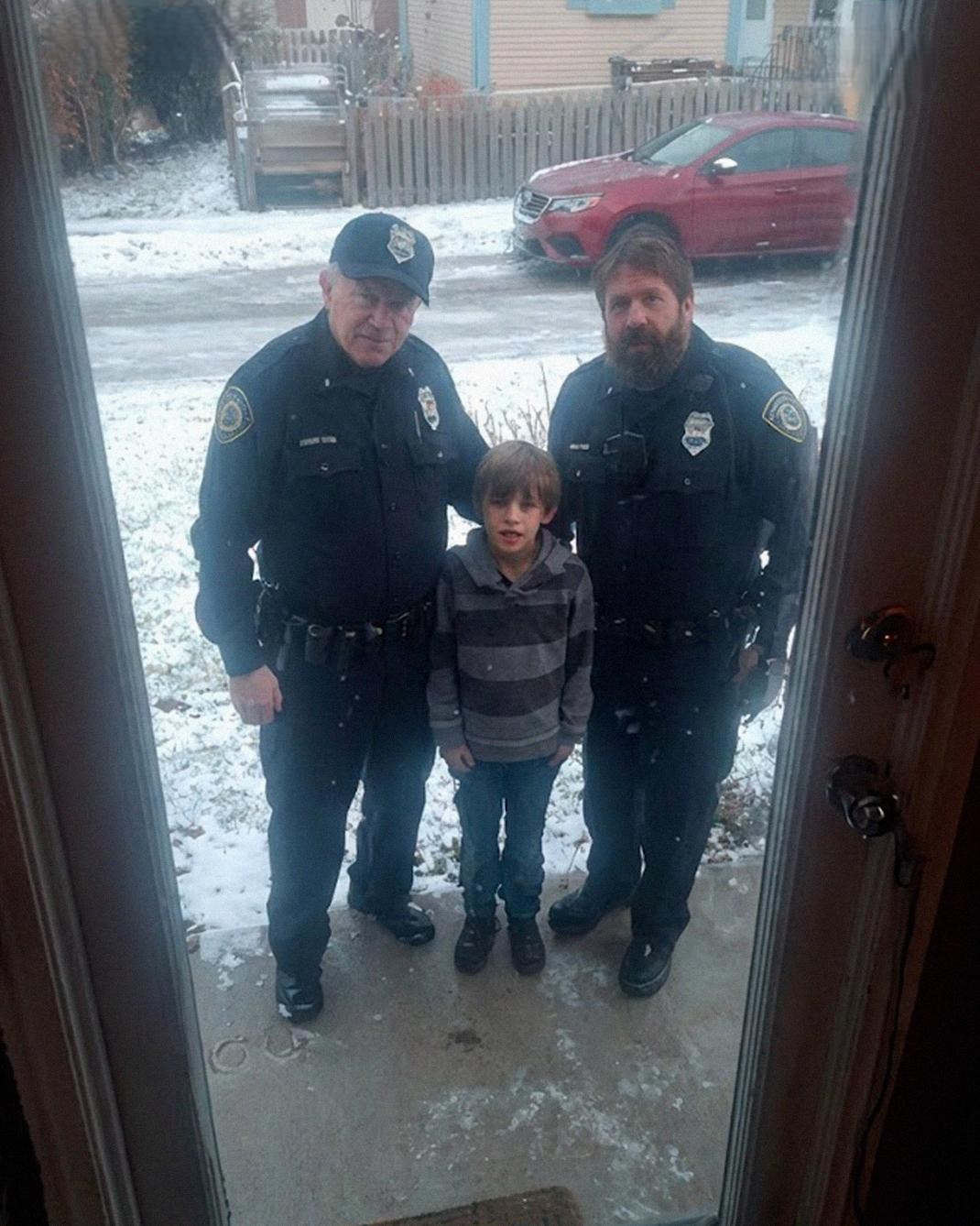
Ten minutes later, the illusion of my quiet, struggling life was shattered by a knock at the door. Standing on my porch were two police officers. The sight of the uniform in the early morning light sent a jolt of pure, unadulterated terror through my chest. Before they could even speak, I was babbling about Andrew, convinced that something terrible had happened on his walk to school. They didn’t cuff me, and they didn’t explain much, only insisting that I come with them because “it was about Andrew” and that he was “safe.”
The drive to the school was a blur of worst-case scenarios. My mind raced through every possible infraction, every accident, every misunderstanding. When we arrived, I was ushered into an empty classroom where Andrew’s teacher, Mr. Gellar, and the school counselor, Ms. Whitman, were waiting. The air in the room was thick with a gravity I couldn’t decipher.
“Meredith, you’re not in trouble,” Ms. Whitman began, her voice gentle. “This is about something kind your son has been doing. Something we felt you deserved to see firsthand.”
They began to tell me about a student named Haley. She was a quiet girl in Andrew’s class, the daughter of a single father who, like me, was working himself to the bone just to keep the lights on. Haley had been coming to school without lunch for weeks. She was fading—becoming quiet, withdrawn, and unable to focus. But recently, that had changed. Haley had started eating every day. She was smiling, participating, and thriving.
“She told us Andrew was giving her his food,” Mr. Gellar said softly. “He told her he was ‘always well-fed’ and that she deserved to be happy, too. He’s been bringing extra snacks—the ones he thought she’d like best—and skipping his own meals whenever he thought she was hungrier than he was.”
I sank into a plastic chair, my throat tightening until it felt like I couldn’t breathe. I thought about the $23, the skipped breakfasts, and the pawned locket. I thought about how Andrew had seen my struggle and decided that, despite it, we still had enough to share.
The door opened again, and a man in plain clothes walked in. He carried the weary posture of someone who had just finished a double shift, but his eyes were bright with unshed tears. “I’m Ben,” he said, clearing his throat. “I’m Haley’s dad. And I’m also a police officer.”
Ben explained that he had been working night shifts and picking up every overtime hour available, completely unaware that his daughter was hiding her hunger from him. Haley had been so afraid of being a burden that she had stopped telling him when the pantry was empty. “She told me about the granola bars,” Ben said, his voice cracking. “She said Andrew always gave her the ones with the wrappers that ‘looked happier.’ I didn’t realize I was failing my own child until your son stepped in to save her.”
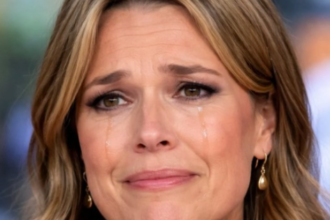
We stood there in that classroom, two parents bound by the secret lives of our children. I admitted to him that I had looked at his uniform and assumed he had his life figured out—that he couldn’t possibly know what it felt like to be this close to the edge. Ben shook his head. “Turns out,” he whispered, “we’re all just trying to hold on.”
That night, Andrew and I sat at our kitchen table. I told him how proud I was—not just because he was kind, but because he was “quietly and bravely kind.” He looked at me with a shrug that only a ten-year-old can manage. “She was just so hungry, Mom. It didn’t feel fair that I had a lunchbox and she didn’t.”
The story didn’t end with a simple thank-you. Two days later, a plain cardboard box arrived at our door with no return address. Inside were grocery gift cards, bags of coffee, plenty of snacks, and a note from the school stating we had been enrolled in a local assistance program—no paperwork, no questions, just grace.
I still pack Andrew’s lunch every morning. The ritual hasn’t changed, but the contents have. Now, I always pack two of everything. I pack an extra sandwich, an extra apple, and the “happiest” granola bar I can find. I don’t do it because I have to, but because Andrew taught me that kindness isn’t something you do when you have a surplus; it’s something you do because it’s the only thing that actually keeps the world from falling apart. The police came to my door because of a lunchbox, but they left behind something I hadn’t felt in a long time: the knowledge that when you share the little you have, the world has a way of sharing it back.