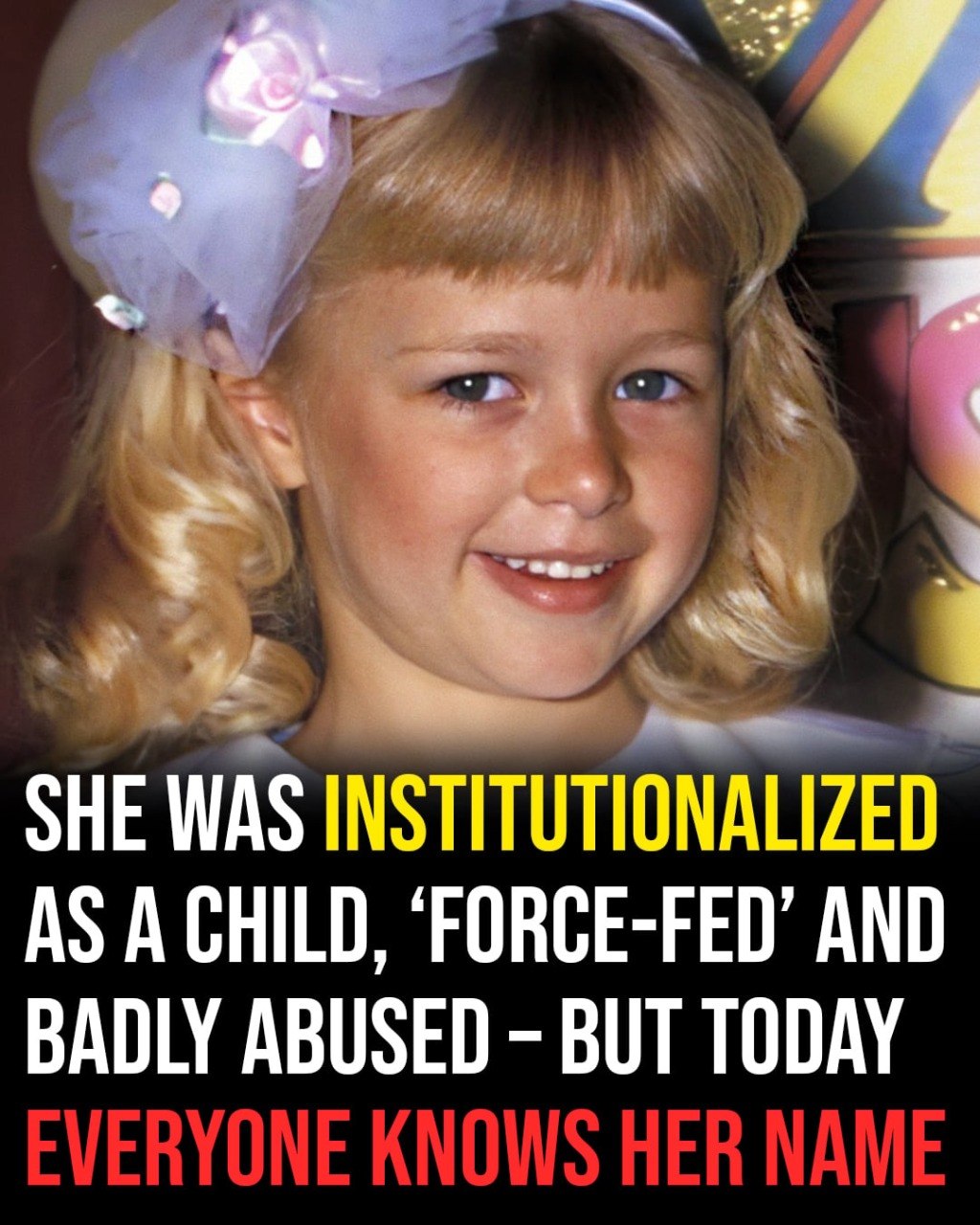
Long before the world knew her name, before the flashing cameras and the global brand, Paris Hilton was a young girl who felt completely alone and trapped in a system designed to break her. For years, the public saw a very specific version of her: the wealthy heiress with the trademark voice and the party-girl lifestyle that defined the early 2000s. She was often the subject of jokes, dismissed as a shallow celebrity caricature, but that image was far from the reality of her life.
In truth, that persona was a protective mask. Behind the scenes, she was carrying a secret she had kept for decades, starting from the time she was only 14. Instead of a typical teenage life, she was sent to a series of residential treatment centers for “troubled teens.” What she endured there, by her own account, was not therapy or help, but a systematic pattern of trauma and abuse.
According to Hilton, her experience involved being forced into medication, enduring emotional cruelty, and being stripped of any personal freedom. She described an environment where humiliation was a daily tool for control and fear was the primary motivator. This wasn’t a temporary hardship; the terror she felt in those facilities stayed with her long after she left, shadowing her even as she became one of the most famous women on the planet.
As her fame reached its peak, Hilton leaned into her exaggerated public image as a shield. It was a way to navigate a world that had already judged her without ever having to show the vulnerable, wounded person she actually was. This separation between her private pain and public “Barbie” image was a conscious choice because the reality was simply too painful to share at the time. For nearly twenty years, she suffered from recurring nightmares, a constant reminder that some scars never truly fade on their own.
For a long time, she remained silent, not for a lack of strength, but because telling the truth meant reliving the horror. She also knew the world preferred the simple, fun version of her story over a complicated tale of systemic abuse. However, that silence eventually broke. When she finally went public, it wasn’t just for her own healing; she wanted to shine a light on the “troubled teen” industry, which she argues operates with a dangerous lack of oversight.
Her decision to speak out changed everything. Appearing before government officials, she didn’t act the part of a celebrity; she spoke as a survivor demanding accountability. Her testimony was calm and factual, intended to educate rather than entertain. By sharing the grim details of her past, she wasn’t looking for pity—she was looking for legislative change to protect other children from the same fate.
The impact was immediate. Her advocacy brought a marginalized issue into the mainstream, encouraging other survivors to come forward and reveal similar patterns of abuse. This shift turned the conversation from a celebrity’s personal history into a serious debate about systemic reform. It also marked a massive turning point in how the public viewed her, moving from a media punchline to a serious advocate.
By this stage in her life, Hilton had already built a massive business empire and no longer needed the publicity. Her choice to speak was a choice of purpose over comfort. Today, as a successful entrepreneur, wife, and mother, her life appears more stable and private, yet she openly acknowledges that trauma doesn’t just vanish because you’ve found success. She has been candid about her journey through motherhood and the fact that some emotional scars remain part of her identity.
What makes her story so powerful today is that it is no longer about maintaining an image; it is about standing in the truth. She has often said her mission is to be the person she needed when she was a helpless teenager. This transition from surviving her past to using it as a tool for change represents a profound evolution.
She continues to fight for better regulations and transparency in youth institutions, using her massive platform to influence actual policy. This is the clear distinction between being famous and being impactful. For years, Paris Hilton was seen through a lens of judgment and stereotype, but now she is recognized as someone who reclaimed a painful history to ensure others don’t have to endure it. Her journey shows that sometimes the most courageous act isn’t creating a new identity, but having the bravery to show the world who you were all along.