The conversation regarding the status of the First Amendment in the U.S. has reached an intense level, with many arguing that the country is facing a crisis of free expression. From the digital battlegrounds of social media to the prestigious halls of universities, the boundary between protected speech and public offense is becoming increasingly unclear. While news reports often highlight protesters or the banning of high-profile accounts, a notable event in Lake City, Florida, demonstrated that this struggle extends to our public highways. What began as a simple traffic stop for twenty-three-year-old Dillon Shane Webb quickly turned into a major case concerning government overreach and a viral topic that has drawn significant attention from legal experts.
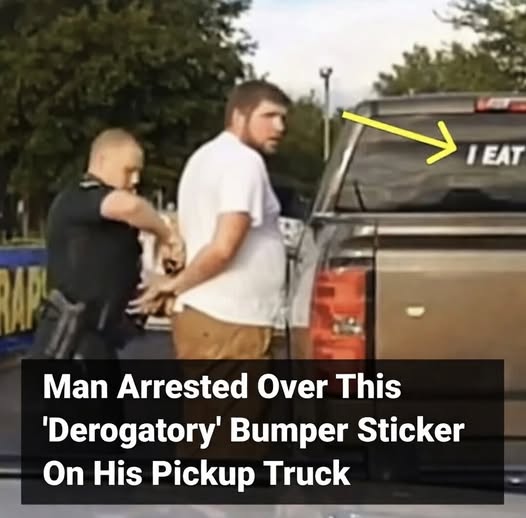
The incident occurred when a Columbia County sheriff’s deputy stopped Webb after noticing a decal on his truck that the officer considered vulgar and offensive. The sticker, which contained a sexually suggestive phrase regarding a personal preference, immediately triggered a tense argument on the side of the road. The deputy claimed the decal broke Florida’s obscenity laws, asserting that displaying such a message in public violated community standards and was detrimental to the public. Webb, however, refused to back down, arguing that the sticker was a form of self-expression protected by the Constitution.
This conflict between an individual citizen and a police officer serves as a significant example of the current tension over modern speech. For years, legal observers have cautioned that the rise of social pressure and the strict monitoring of language would eventually lead to a confrontation between personal freedom and state authority. In Webb’s situation, the deputy didn’t just give a warning; the encounter ended in a full arrest when the young man wouldn’t remove the sticker. Webb was booked for having obscene writing on a vehicle and resisting an officer without violence—a move that shocked the local community and eventually the whole country.
Digital media analysts point out that stories like this spread rapidly because they tap into a common anxiety: the fear that a personal view or a joke could result in criminal charges. In a time when social media systems are constantly analyzed for how they manage information, the physical arrest of a person over a car decal feels like an outdated form of censorship resurfacing today. The event sparked a public debate over whether police have the right to act as judges of morality and taste. Critics maintain that if the state can jail people based on a personal opinion of what is offensive, the First Amendment effectively loses its meaning.
The legal consequences of the arrest were considerable, attracting interest from civil rights organizations who argued that the Florida obscenity statute was being applied in an unconstitutionally vague manner. Historically, the Supreme Court has set a very high standard for what is legally considered “obscene,” generally requiring the material to lack any serious literary, artistic, or political value. Supporters of Webb pointed out that while his sticker might be considered tasteless by some, it did not reach the legal definition of criminal obscenity.
As this narrative continues to be discussed, it serves as a powerful reminder of the delicate state of civil liberties in 2026. The Florida decal incident is no longer just about a piece of vinyl on a truck; it has become a symbol of the larger effort to define the limits of freedom in a divided society. Whether this leads to a lasting change in how authorities manage public expression or remains a warning about government overreach, one thing is clear: the debate over what Americans can say, and where they can say it, is far from over. Legal clarity is vital, but until a firm boundary is established, events like this will continue to fuel the global discussion on the true definition of free speech.
Florida Man Jailed Over Viral Car Decal Sparks National Outrage as Free Speech Battle Hits the Streets
Previous Article Next Article
Jill Biden Announces Heartbreaking End to Decades Long Career as She Finally Closes the Book on Her Secret Life
Legendary Keyboard Wizard of Ambrosia Dead at 75 as Fans Mourn the Loss of a Rock Icon