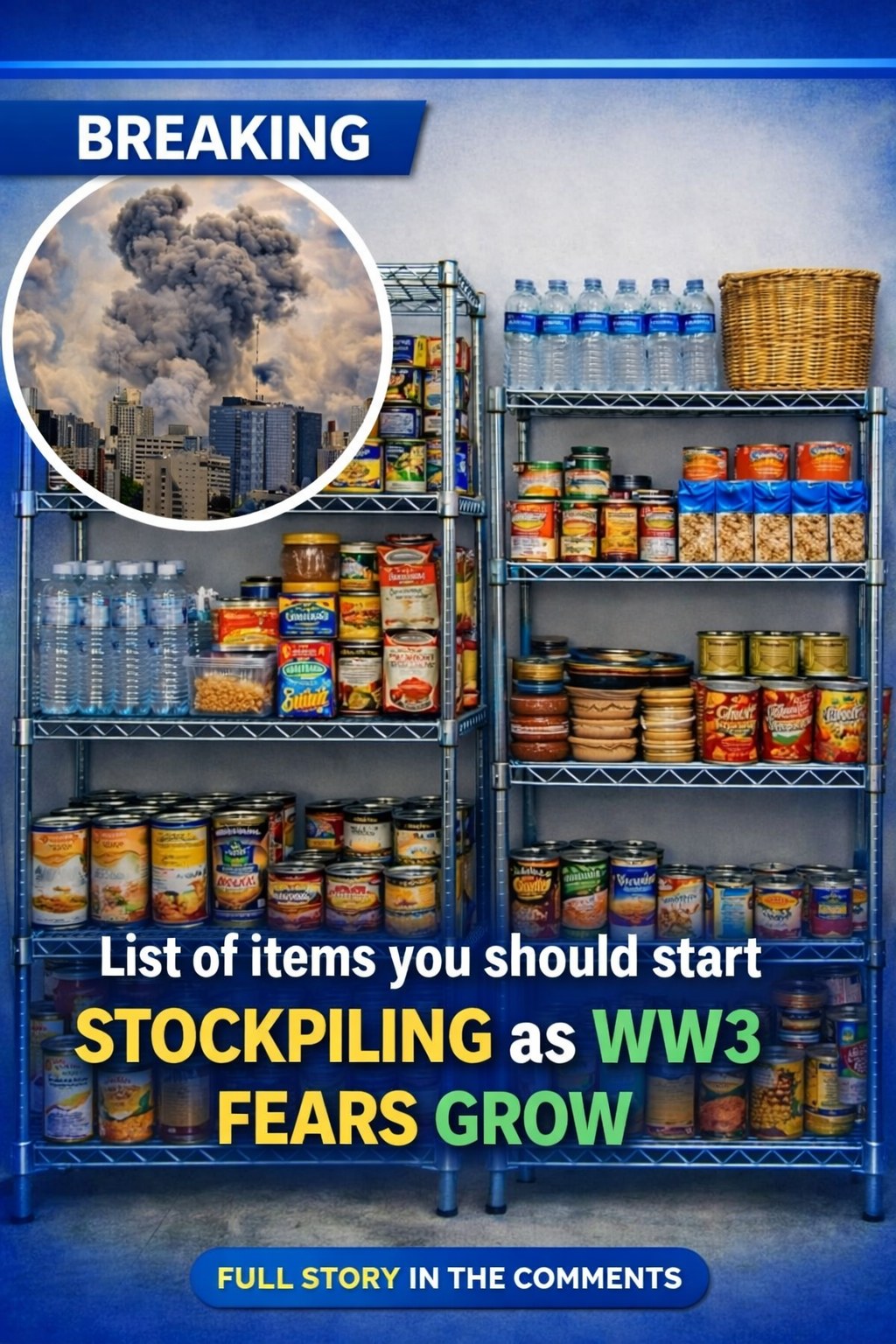
In recent days, headlines about geopolitical tensions, infrastructure threats, and sudden disruptions have reminded many people how interconnected—and sometimes fragile—the systems supporting modern life can be. Events that once felt distant can quickly appear closer to home, prompting ordinary households to ask practical questions: What happens if electricity fails? What if communication networks stop working or supply chains stall? In those moments, preparedness becomes less about fear and more about practical readiness.
Emergency planners have long emphasized a straightforward concept often called the “72-hour rule.” The idea is simple: every household should be able to function independently for at least three days if normal services are disrupted. This recommendation comes from decades of studying major emergencies such as hurricanes, earthquakes, floods, and widespread power outages.
During the first seventy-two hours of a crisis, emergency responders often face overwhelming demand. Hospitals treat injuries, firefighters respond to urgent hazards, and rescue teams focus on the most life-threatening situations. At the same time, roads may be blocked, communication networks overloaded, and supply deliveries temporarily halted. When families can care for themselves during those first days, it allows emergency services to focus on those in immediate danger.
Modern infrastructure depends on many systems working together. Electricity powers water treatment facilities and communication networks. Transportation systems deliver food, fuel, and medical supplies every day. If one system fails, the effects can quickly ripple through others. For example, a prolonged power outage can interrupt water supply, disable traffic signals, and affect electronic payment systems used in stores.
Because of this interconnectedness, preparedness experts encourage households to keep a small reserve of essential items. Clean drinking water is the most critical supply, followed by non-perishable food that does not require cooking or refrigeration. Flashlights, spare batteries, and a battery-powered radio can help families stay informed and safe if electricity or internet access becomes unavailable. Basic first-aid supplies and copies of important documents are also commonly recommended.
Preparedness does not mean expecting catastrophe. Instead, it reflects a calm understanding that unexpected disruptions—whether from severe weather, infrastructure failures, or other emergencies—can occur. A few simple preparations can make a significant difference, helping families remain stable, informed, and resilient during uncertain moments.
Leave a Reply