International criticism has intensified following a controversial statement by Donald Trump amid the ongoing Middle East conflict involving Iran, Israel, and several Gulf nations. As violence escalates and diplomatic tensions deepen, the situation has begun affecting not only regional stability but also global energy markets and broader international security calculations.
The current phase of the conflict reportedly began in late February 2026, when coordinated U.S. and Israeli strikes targeted Iranian military and strategic infrastructure. Since then, hostilities have expanded rapidly across the Persian Gulf. Iran has responded with missile and drone attacks against U.S. and allied positions, including reported strikes near military installations in Bahrain and Kuwait. In recent days, additional escalations have included missile launches toward Israeli territory, triggering air raid sirens and raising concerns about a broader regional conflict.
A key turning point came when an Israeli strike reportedly hit Iran’s South Pars gas field, part of the world’s largest natural gas reserve. The damage disrupted a major component of Iran’s domestic energy supply and export capacity, sending shockwaves through global oil and liquefied natural gas markets. Retaliatory actions were later reported near energy infrastructure in the region, including Ras Laffan Industrial City in Qatar, increasing concerns about global energy supply stability.
Across the Gulf region, countries such as Saudi Arabia, United Arab Emirates, and Kuwait have heightened defensive measures as missile and drone threats continue. Governments have increased air defense readiness while monitoring the risk of wider escalation.
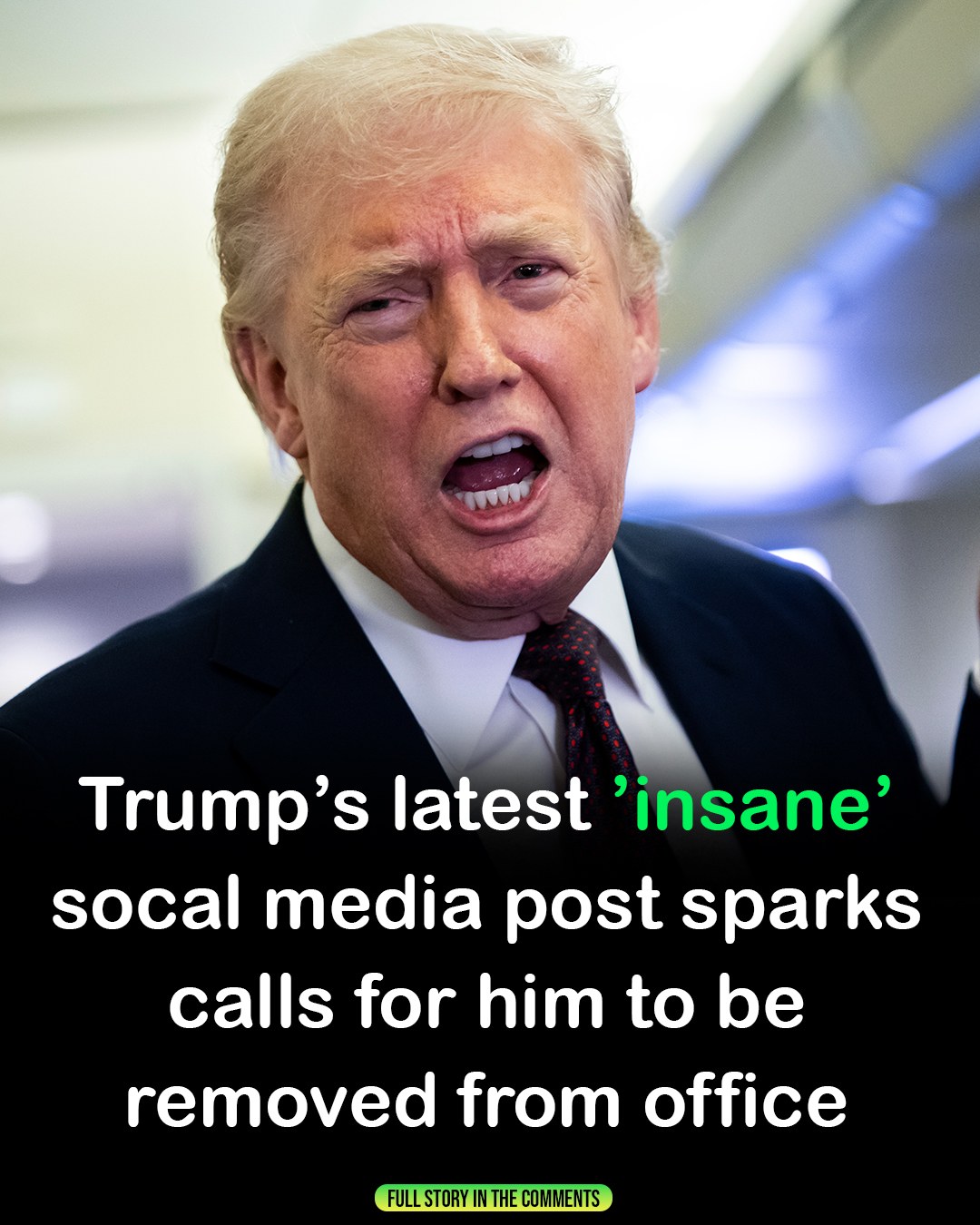
Against this tense backdrop, Trump has been commenting on developments through his platform Truth Social. One particular message drew widespread attention. In it, he suggested that Israel had acted independently in the South Pars strike and stated that the United States had “zero involvement,” a claim that some Israeli officials reportedly disputed, indicating coordination at certain levels.
The most controversial part of the statement was a warning directed toward Iran. Trump suggested that if Iran launched further attacks affecting regional partners such as Qatar, the United States could respond with overwhelming force targeting the South Pars gas field. Because that field is geologically connected to Qatar’s North Field, analysts quickly warned that any major strike could severely disrupt global energy supplies.
Reaction to the statement was swift. Critics argued that highly public and forceful rhetoric during an active conflict could increase the risk of miscalculation, particularly in a region already experiencing layered military engagement. Others questioned whether statements delivered through social media might complicate ongoing diplomatic efforts that typically rely on controlled communication between governments.
Defense and foreign policy analysts also noted that messaging at this level can influence market behavior and military posture. Energy markets have already shown volatility as attacks on infrastructure threaten supply stability. Governments across Europe and Asia have begun reviewing contingency plans as the possibility of prolonged disruption grows.
Despite reports that Israeli leadership may have temporarily delayed certain follow-up operations, the broader conflict has continued. Additional military actions around Tehran have been reported, followed by further Iranian responses targeting Israeli-linked assets. This ongoing cycle has heightened the risk of wider regional involvement as Gulf states and international partners adjust their defense strategies.
Beyond the military dimension, the crisis has intensified debate about leadership communication during wartime. In Washington, D.C., some lawmakers have expressed concern that informal messaging could complicate coordination with allies and disrupt diplomatic channels. Supporters of Trump, however, argue that his direct communication style demonstrates strength and clarity in a rapidly evolving situation.
Meanwhile, humanitarian and economic concerns continue to grow. Damage to infrastructure, displacement in affected areas, and the potential for prolonged instability have prompted calls for restraint from organizations such as the United Nations. Experts warn that even limited disruptions to critical energy infrastructure could take years to fully repair.
As the situation continues to unfold, the intersection of military action, energy security, and political messaging remains central to the crisis. The controversy surrounding Trump’s remarks highlights a broader challenge for global leadership: balancing decisive action with measured communication in a world where every statement can carry strategic consequences.