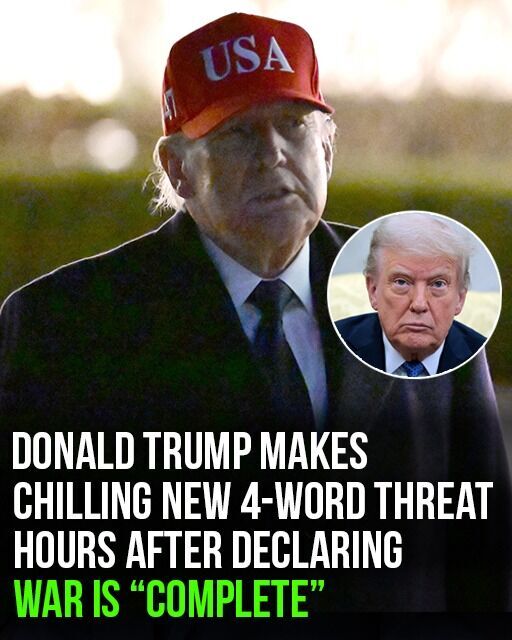
A new exchange of warnings has intensified global attention on the Middle East after former U.S. President Donald Trump cautioned Iran about the consequences of interfering with oil shipments through the Strait of Hormuz.
The warning followed reports that Iranian officials had suggested the possibility of restricting traffic through the waterway, raising concerns in energy markets and among international governments.
Trump’s Warning
Trump shared the message on his social media platform Truth Social on March 9, responding to comments attributed to Iranian officials suggesting that ships passing through the strait could face risks if tensions continue to escalate.
In the statement, Trump emphasized that any attempt to block oil shipments would trigger a strong response from the United States, describing such actions as a threat to global trade and energy stability.
Why the Strait of Hormuz Is Critical
The Strait of Hormuz is one of the most important shipping lanes in the world.
It connects the Persian Gulf with the open ocean and serves as a key route for oil exports from major producers including:
- Saudi Arabia
- Iraq
- Kuwait
- United Arab Emirates
Nearly 20% of the world’s oil supply moves through the narrow waterway each day. Because of this, even the possibility of disruption can have immediate effects on global markets.
Financial analysts say uncertainty around the strait has already contributed to rising crude oil prices, reaching levels not seen in several years.
Rising Regional Tensions
Trump’s warning comes amid growing military tension involving the United States, Israel, and Iran.
Recent developments include:
- Joint U.S. and Israeli strikes targeting Iranian facilities
- Reports of retaliatory missile and drone attacks against American and allied positions
- Increased military readiness across parts of the Middle East
These events have raised concerns among security experts that the conflict could expand if further retaliation occurs.
Global Impact
For international observers, the situation around the Strait of Hormuz remains the central pressure point.
Because the global economy depends heavily on stable energy flows, disruptions in this corridor can quickly influence:
- Fuel prices
- Shipping insurance costs
- International trade
- Financial markets worldwide
What Happens Next
As governments and markets continue monitoring developments, analysts say the coming weeks may determine whether the crisis moves toward de-escalation or further confrontation.
Diplomatic negotiations, military decisions, and economic pressures will all play a role in shaping the outcome.
For now, the narrow passage between Iran and the Arabian Peninsula has once again become a focal point of global geopolitics—demonstrating how tensions in one strategic location can ripple across the entire world economy.